Choosing the right surgical retractors is crucial for successful surgical outcomes. Dr. Jane Smith, a renowned expert in surgical instruments, emphasizes, "The right retractor makes all the difference." With the variety of surgical retractors available, selection can be overwhelming.
Surgical retractors come in many shapes and sizes. Each type serves a unique purpose, tailored to specific procedures. Understanding these differences is key for surgeons and surgical teams. For instance, some retractors are designed for delicate surgeries, while others are built for larger operations. Knowing when to use each one is essential.
Quality matters in surgical retractors. It’s vital to choose instruments from reputable manufacturers. However, even established brands sometimes produce less-than-perfect tools. This reality prompts healthcare professionals to evaluate instruments continuously. While there is no one-size-fits-all solution, informed decisions lead to better surgical experiences.
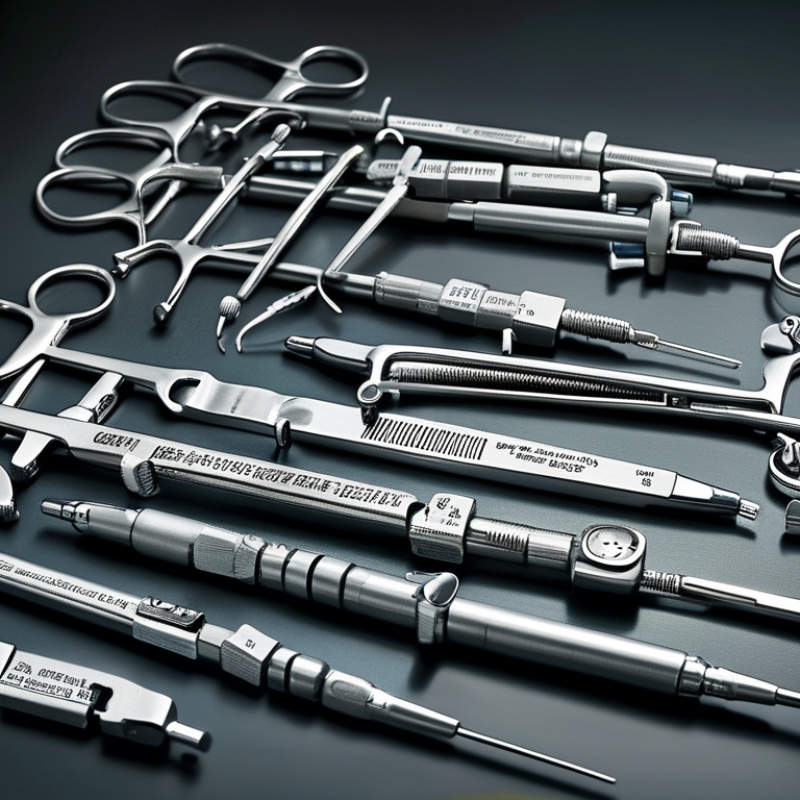
Surgical retractors play a crucial role in various procedures, enhancing visibility and accessibility. Knowing the types available can help medical professionals make informed decisions. Retractors can be categorized into handheld and self-retaining types. Handheld retractors require the assistance of a surgical team member, while self-retaining options maintain tension independently.
Handheld retractors include options like the S-retractor. These require experience to use effectively. They can cause strain if not held properly for long periods. Self-retaining retractors come in many designs, such as the Balfour and Bookwalter. Each design offers different support, and the choice depends on the surgical field and approach. Choosing the wrong type can lead to complications during procedures.
In addition to functionality, consider the materials used. Some retractors are made from stainless steel, while others may feature plastic components. Weight and ergonomics matter too. A heavy retractor can fatigue the surgeon. Reflecting on personal experiences with various retractors can guide future choices. Mistakes in choosing the right tool can impact surgical outcomes. Analyzing past surgeries helps refine preferences for better results.
| Type of Retractor | Material | Size (cm) | Usage Area | Features |
|---|---|---|---|---|
| Deaver Retractor | Stainless Steel | 25-30 | Abdominal Surgery | Wide blade for large wounds |
| Richardson Retractor | Stainless Steel | 15-25 | General Surgery | Angled blade for optimal visibility |
| Balfour Retractor | Stainless Steel | 20-30 | Abdominal Surgery | Self-retaining with adjustable arms |
| Maloney Retractor | Plastic | 12-15 | Thoracic Surgery | Lightweight and non-corrosive |
| Senn Retractor | Stainless Steel | 10-15 | Small Surgical Procedures | Dual-ended for flexible use |
When selecting surgical retractors, several key features are crucial for ensuring optimal performance. The material of the retractor influences its durability and weight. Stainless steel remains a top choice for many surgeons due to its strength and resistance to corrosion. According to industry reports, around 70% of surgical staff prefer using stainless steel for its reliability in sterile environments.
The design of the retractor is equally vital. Ergonomic designs reduce hand fatigue during lengthy procedures. Some reports indicate that up to 30% of surgical accidents are linked to inadequate tool handling. Opting for retractors with a comfortable grip can mitigate this risk significantly. Additionally, varied sizes and shapes of retractors allow for versatility in different surgical scenarios, which can enhance visibility and access during operations.
For effective use, consider the weight of the retractor. Lighter options can reduce strain on the surgical team. However, balancing weight with sturdiness is essential. Surgeons should also reflect on their preferred techniques and patient anatomy while choosing tools, as different surgeries require tailored approaches. The right choice can significantly impact outcomes and the overall efficiency of the procedure.
Choosing the right surgical retractors relies heavily on understanding your specific surgical needs and procedures. Different surgeries demand varying levels of visibility and access to the surgical site. Therefore, it's essential to evaluate the type of procedure you typically perform. For example, abdominal surgeries might benefit from wider retractors, while smaller procedures may require finer options for precision.
Consider the anatomical areas involved in your operations. Each region has unique requirements. A retractor suitable for orthopedic surgeries may not be ideal for neurosurgeries. This mismatch could lead to complications or inefficiencies during procedures. Reflecting on past experiences is crucial. Have you encountered difficulties with visibility due to subpar retractors? That feedback is valuable when selecting new instruments.
Proper adjustment is also critical. Some retractors may require more effort to position correctly. This can add time to the procedure. Take note of how each retractor performs under different conditions. It’s not just about having the latest options; reliability and comfort during use play significant roles in surgical outcomes. Look at variations in materials and designs as well. They can influence both performance and ease of use during surgeries.
When selecting surgical retractors, quality and durability are paramount. Surgeons rely on these tools, often during lengthy and intricate procedures.
A well-constructed retractor should withstand repeated use without bending or breaking. Materials like stainless steel offer strength and corrosion resistance, ensuring longevity. However, not all stainless steel is equal. Some may warp after sterilization, so thorough material evaluation is crucial.
Durability also affects safety. A retractor that fails mid-procedure can lead to complications. Consider the design and construction method. A solid, seamless construction can minimize points of weakness. However, aesthetic appeal should never overshadow functionality.
It’s essential to balance both aspects for optimal performance.
Even with the best materials, the retractor must feel comfortable in hand. An ergonomic design reduces hand fatigue during extended surgeries. Surgeons should reflect on their experiences with different tools. Understanding what works best, through trial and error, can lead to better surgical outcomes. Ultimately, investing time in evaluating these tools can significantly impact overall surgical success.
Surgical retractors are essential tools in many procedures. Maintaining these instruments is crucial for optimal performance. Proper care ensures longevity and reliability in the operating room.
To keep retractors in top shape, regular inspection is vital. Look for any signs of wear or damage. Even small nicks can compromise effectiveness. Cleaning is equally important. Make sure to use approved cleaning solutions. Avoid harsh chemicals that might harm the material. Rinsing thoroughly after cleaning can prevent residue build-up.
Storage is another key factor. Retractors should be stored in a dry, clean environment. Consider using protective cases to prevent scratches and corrosion. Keeping them organized can also save time during procedures. Regularly review your storage practices. Reflect on issues that arise during surgery, as they may point to needed improvements in maintenance.
: Assess your surgical needs first. Different procedures require different retractor types.
Evaluate the procedure type and anatomical areas. Each surgery has unique requirements.
High-quality retractors ensure durability and reliability during lengthy procedures.
Stainless steel is preferred for strength and resistance. Yet, not all stainless steel is equal.
Regularly inspect for damage and clean with approved solutions. Rinse thoroughly afterward.
Poor visibility or instrument failure can happen with the wrong retractor choice.
Ergonomic designs can reduce hand fatigue during long surgeries, improving surgical performance.
Inspect them frequently. Replace retractors that show any signs of wear or damage.
Store them in a dry, clean space and use protective cases to avoid damage.
Past experiences help identify the most effective tools. Continuous reflection leads to improved outcomes.
When choosing the best surgical retractors for your needs, it is essential to understand the various types available, including handheld, self-retaining, and specific designs for different surgical fields. Key features to consider include the retractor's material, size, and ergonomic design, which can significantly impact the ease of use during procedures.
Assessing your specific surgical needs and the types of procedures you frequently perform will guide your selection, ensuring that you choose retractors that enhance visibility and access. Additionally, evaluating the quality and durability of surgical retractors is crucial for maintaining their effectiveness over time. Lastly, proper maintenance and care will prolong the lifespan of these instruments, ensuring optimal performance in the surgical setting.

Carna Medicial Technology