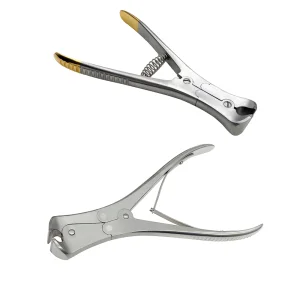
In the rapidly advancing fields of orthopedics, veterinary traumatology, and reconstructive bone surgery, the reliability and physical integrity of primary osteosynthesis cutting tools are paramount. Orthopedic scissors, saws, bone files, and bone knives (osteotomes) constitute the core instrumentation interface between the surgeon and skeletal tissues.
The global market for orthopedic surgical instruments has witnessed a compound annual growth rate (CAGR) of 6.2% over the past five years, driven by the increasing incidence of musculoskeletal disorders, sports-related trauma injuries, and an aging human population, alongside a parallel boom in specialized companion animal health care. High-precision manufacturing has shifted from traditional manual forging to CNC micro-milling, automated laser sharpening, and advanced metallurgical heat treatments.
As leading manufacturers and exporters established since November 20, 2019, we integrate raw material traceability, systematic random and client-customized inspection methods, and strict compliance protocols. Our export footprint spans crucial medical hubs in North America (25%), South America (25%), and Southeast Asia (15%).
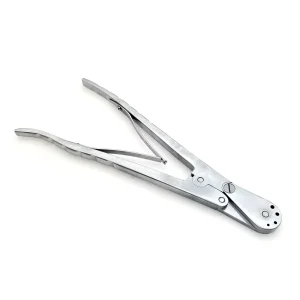
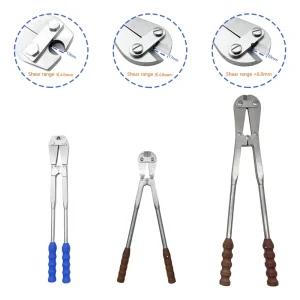
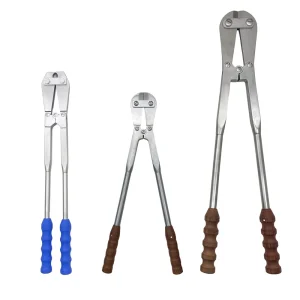
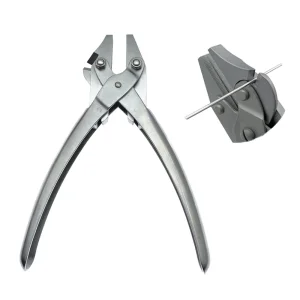
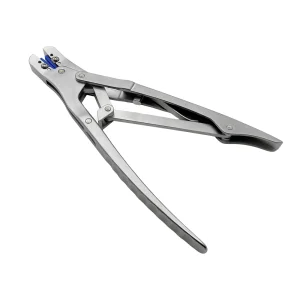
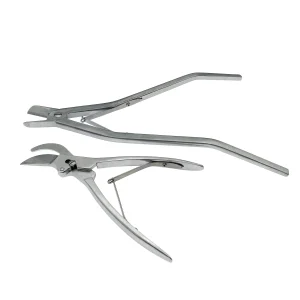
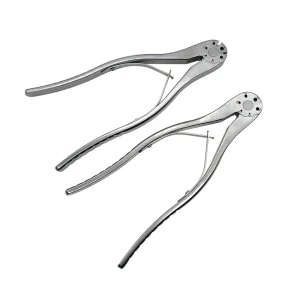
Orthopedic scissors (such as rib shears, wire cutters, and double-jointed pin cutters) require maximum leverage to shear high-tensile metallic implants (like Kirschner wires, orthopaedic bands, and cerclage wires) without blade deformation or fracturing. Double-jointed action uses compound leverage mechanical design principles, multiplying the input force applied by the surgeon. This design ensures clean cuts on pins up to 6.0 mm in diameter, preventing micro-shattering or burring of the pin end, which can damage adjacent soft tissue during surgical closure.
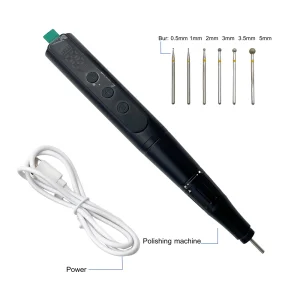
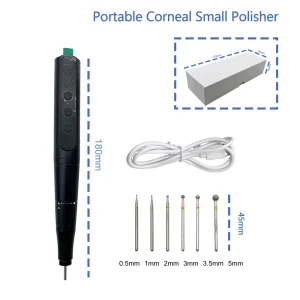
Surgical saws require tooth geometry optimized for bone debris evacuation (chip space) to prevent thermal necrosis of osteoblasts. While reciprocating and oscillating power saws dominate heavy orthopedic procedures, high-precision manual bone saws, ophthalmic microsurgical polishers, and corneal drill units operate at highly controlled rotations (ranging up to 35,000 RPM). These instruments are designed to remove micro-layers of calcified tissue or smooth rough bone edges without transferring excess heat or mechanical vibration to surrounding tissue structures.
Bone files and rasps feature specialized surface profiles (like cross-cut, single-cut, and anatomical configurations) to facilitate controlled cortical bone abrasion. In veterinary small animal orthopedics, rasps are essential for preparing the medullary canal for prosthetic implants or shaping osteotomy edges. The tooth alignment is calibrated to prevent clogging with bone paste, ensuring a smooth, predictable finish with minimal mechanical resistance.
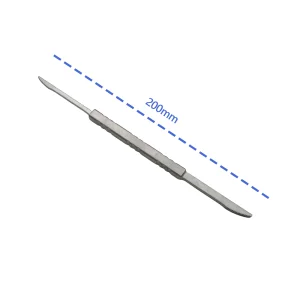
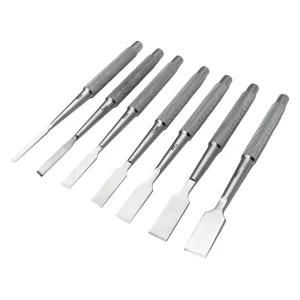
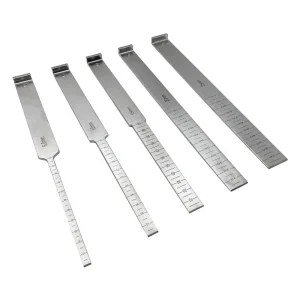
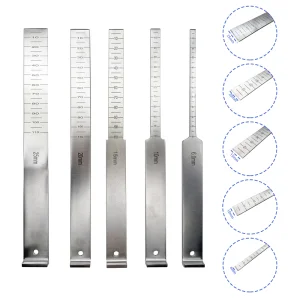
Osteotomes are wedged-shaped cutting instruments bevelled on both sides, used for cutting or shaping bone. Bone knives and thin osteotomes, particularly for High Tibial Osteotomy (HTO) and other tibia alignment procedures, must feature highly precise blade geometry. HTO procedures demand extreme precision, as even a minor deviation in the cutting depth or angle can compromise joint alignment or lead to cortical hinge fracture.
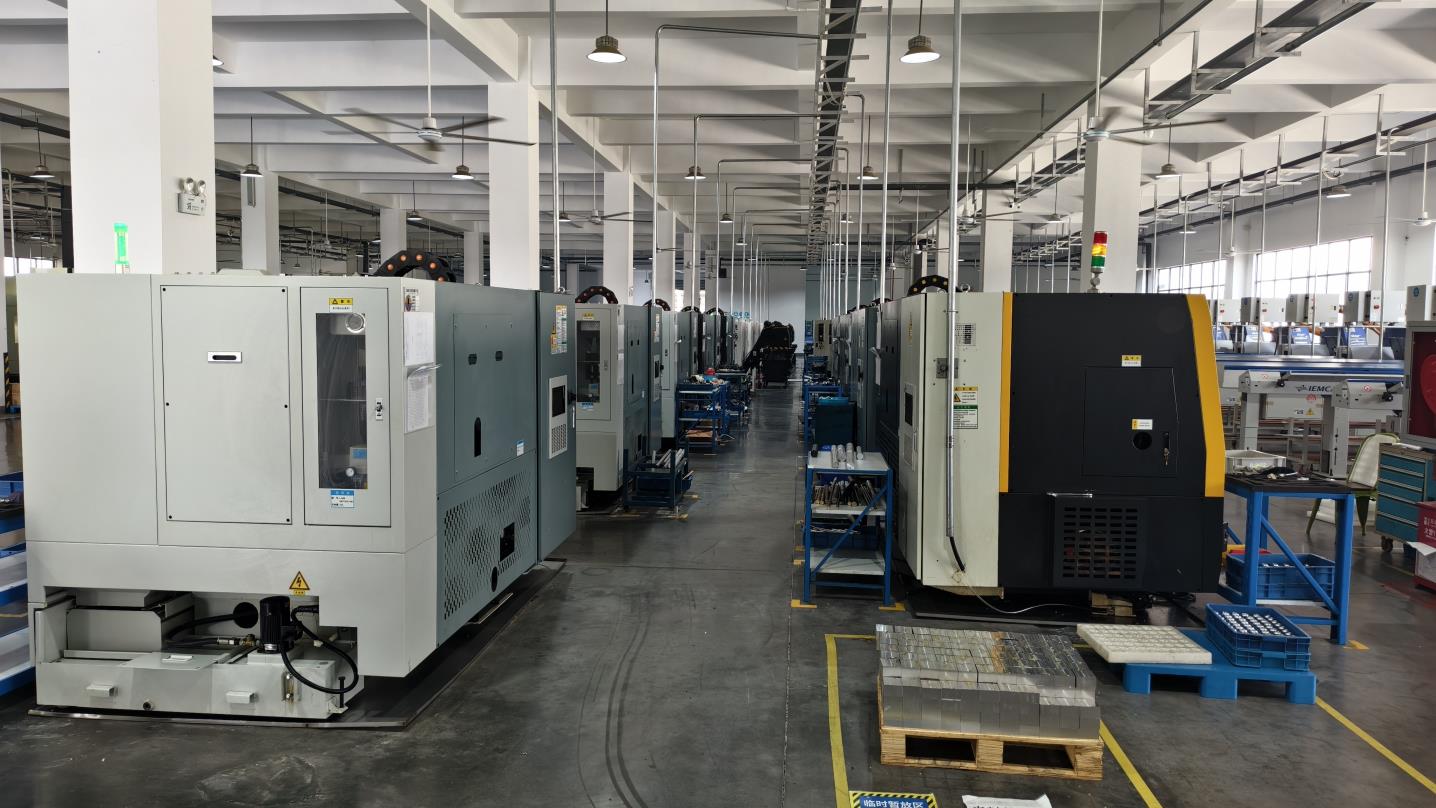
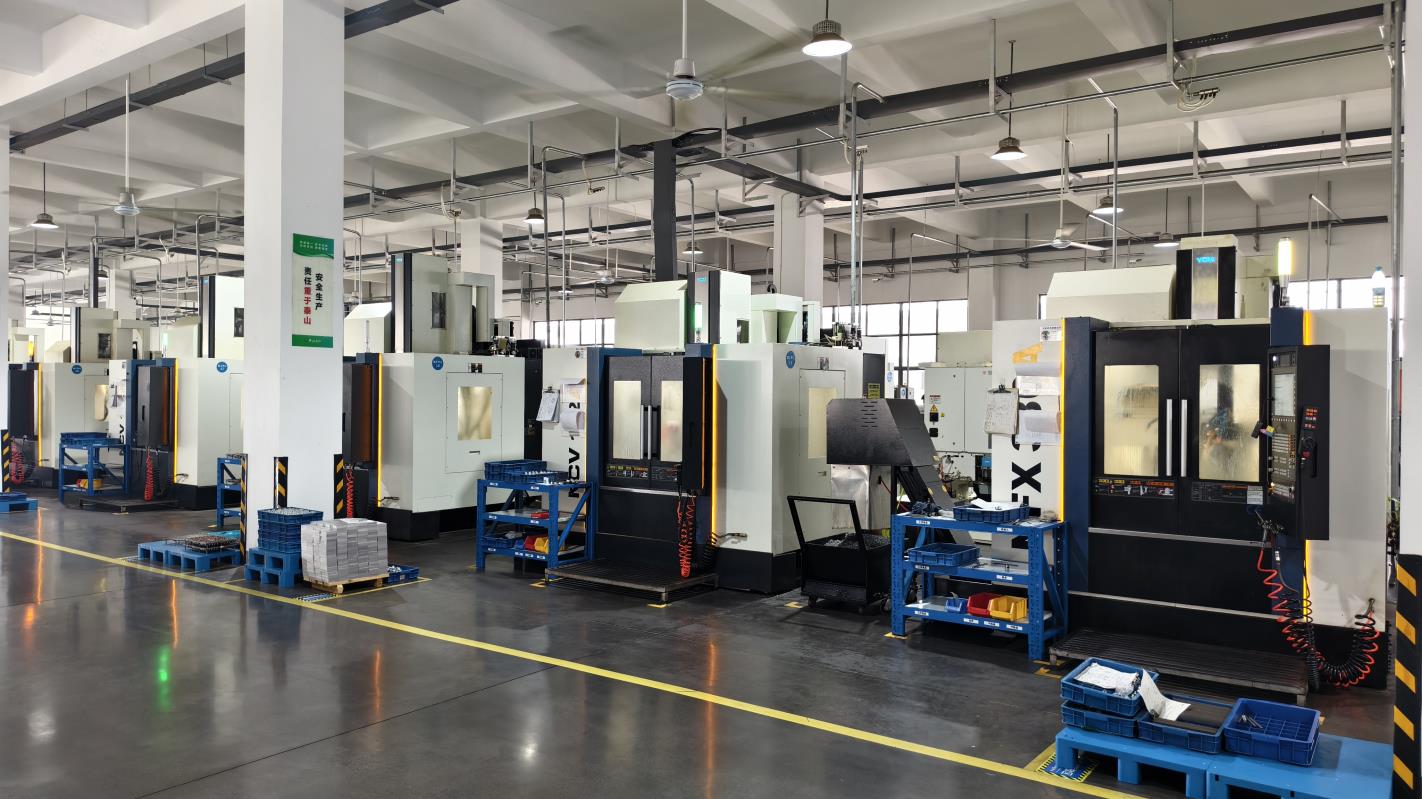
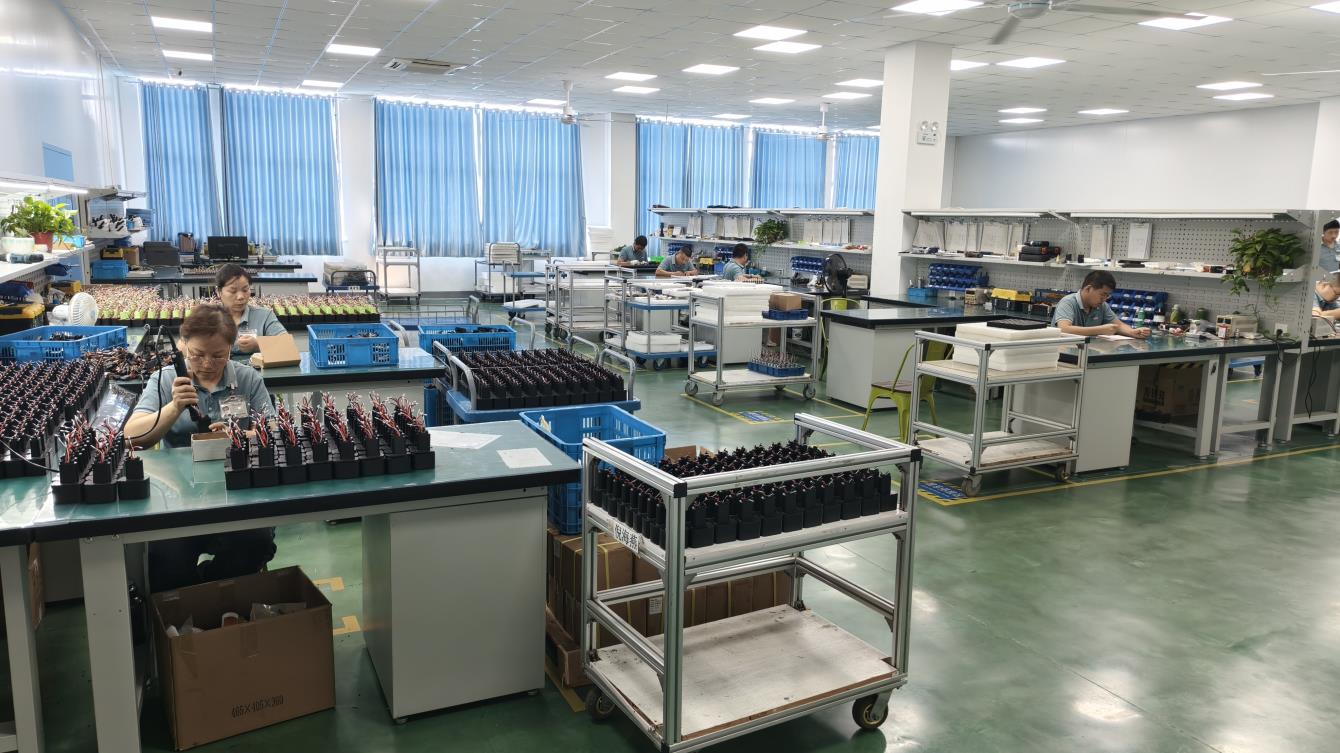
The selection of raw materials directly impacts the operational lifespan and clinical safety of orthopedic instruments. Standard carbon steels suffer from corrosion under autoclaving conditions, while generic stainless steels lack the hardness required to cut through high-density cortical bone or metal pins.
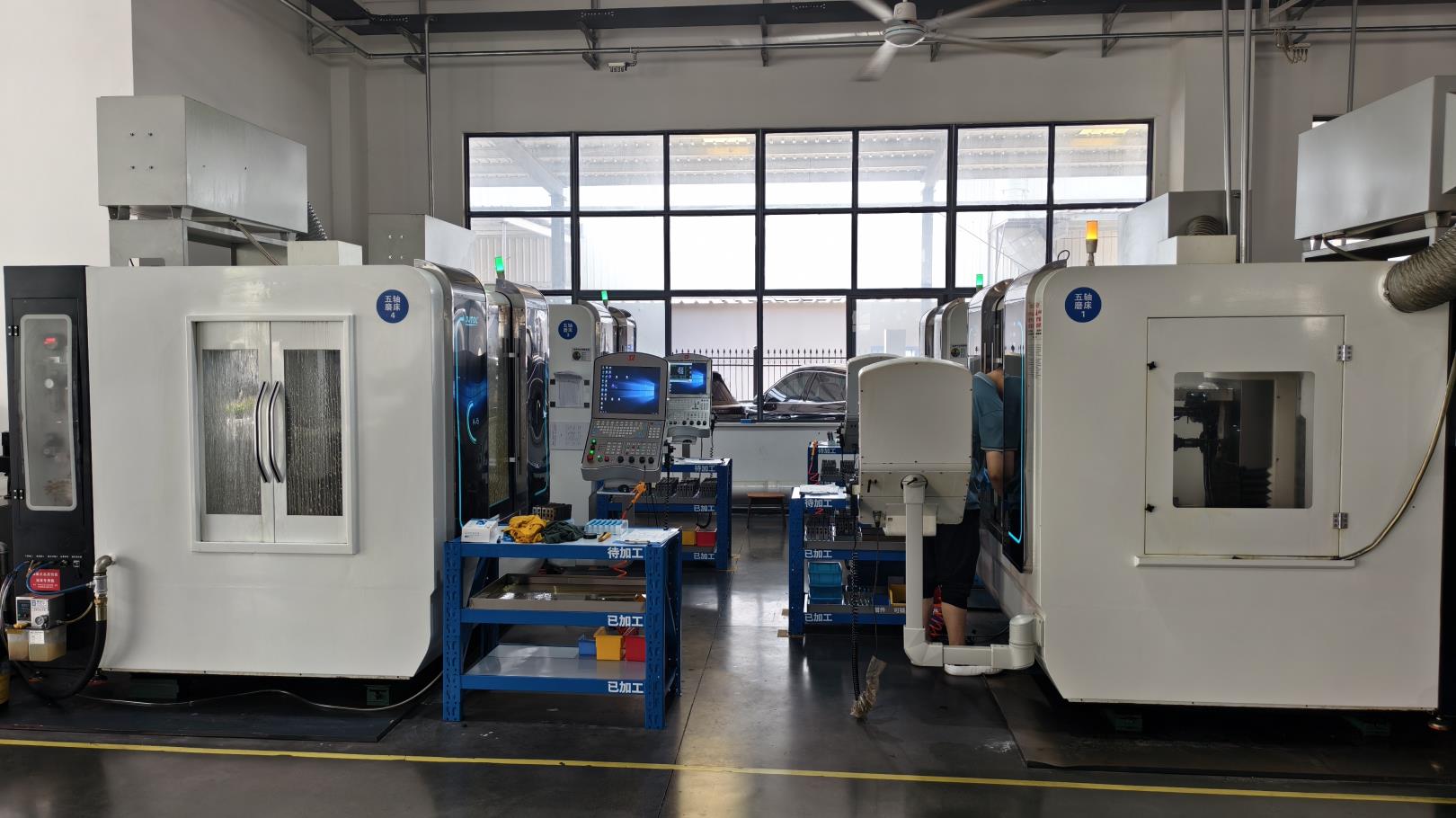
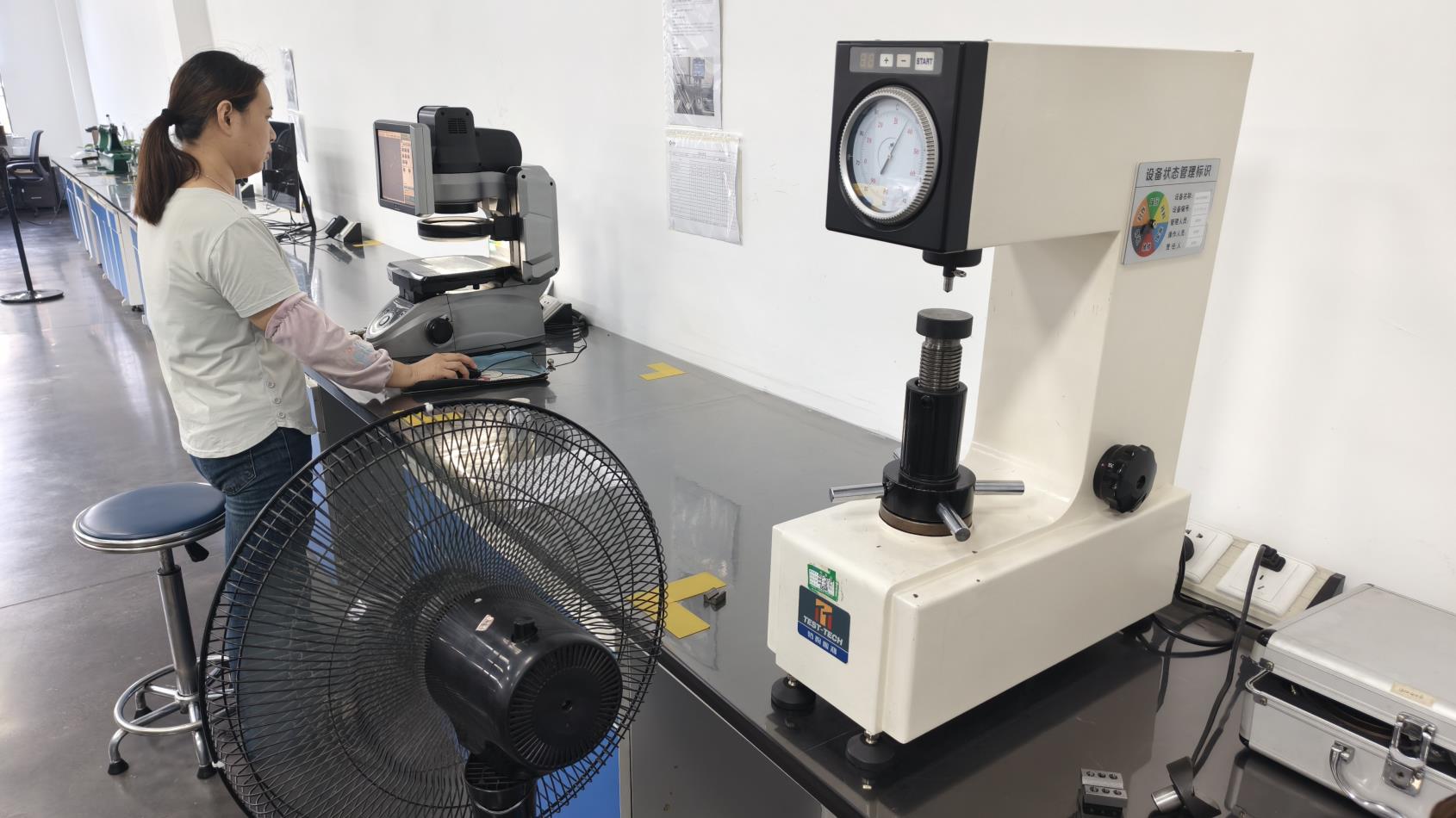
Our instruments are forged from martensitic stainless steels (such as AISI 420 or AISI 440C), which undergo precise heat treatment processes. This thermal modification transforms the crystalline structure of the steel into tempered martensite, achieving a hardness range of 50–55 HRC (Rockwell Hardness Scale). For heavy-duty cutting tools, like pin cutters and wire-cutting shears, tungsten carbide (TC) inserts are vacuum-brazed to the cutting edges, extending the edge retention life by up to 500% compared to standard stainless steel.
Each instrument undergoes nitric or citric acid bath passivation. This process extracts free iron molecules from the surface layer, forming a continuous chromium oxide barrier that prevents pitting and crevice corrosion under high-temperature steam sterilization.
To prevent tissue slippage during delicate bone or cartilage resections, our scissors are designed with one micro-serrated blade edge. This stabilizes the tissue structure while the opposing sharp blade executes a clean shear.
Large wire cutters and heavy bone shears feature contoured handles with double-spring tension or detaching joints, minimizing palm strain during long-duration surgeries.
Every piece is permanently etched with batch tracking identification codes, facilitating full inventory tracking from the raw material furnace to the surgical table.
Veterinary orthopedics has emerged as a major growth driver, with unique instrument requirements distinct from human clinical applications. Animal skeletal morphology demands shorter, more curved instrument tips, and higher resistance to rotational forces.
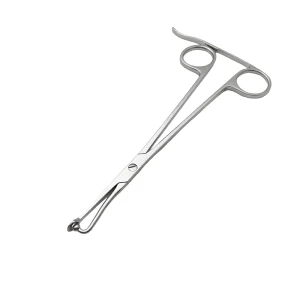
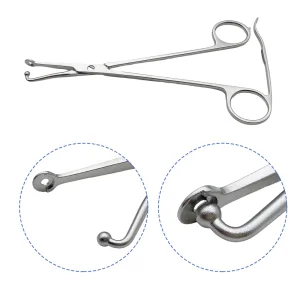
In small animal trauma surgery, such as canine Tibial Plateau Leveling Osteotomy (TPLO) or Tibial Tuberosity Advancement (TTA), bone saws, rasps, and osteotomes must operate within tight anatomical spaces. These procedures require thin HTO osteotomes, specialized bone holding forceps with snap-design locks, and micro-fine bone grind files. Conversely, in human reconstructive surgeries, larger bone files and dual-link heavy implant shears are required to manage high bone densities and thicker prosthetic implant wires.
The future of orthopedic instrumentation lies in integration with computerized surgical navigation systems and smart ergonomics. Sensor-embedded bone knives and saws can monitor local pressure and heat build-up, warning the surgeon if the temperature approaches the critical osteoblast threshold (47°C). Additionally, additive manufacturing (3D printing) enables the production of customized rasps and osteotomes tailored to patient-specific geometries, optimizing bone contouring in complex joint reconstruction procedures.
 Carna Medicial Technology