Precision-engineered microsurgical solutions, advanced raw material traceability, and regulatory-compliant manufacturing for critical global clinical applications.
Explore our highly-regarded surgical implements designed for sub-millimeter incisions, tissue isolation, and ophthalmic diagnostics.
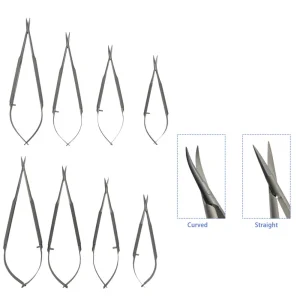
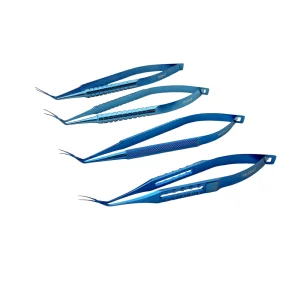
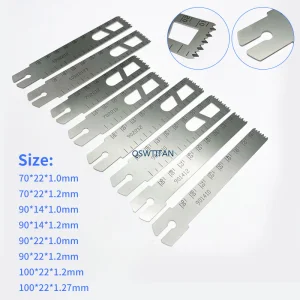
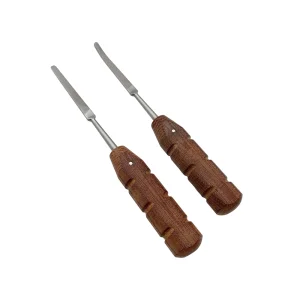
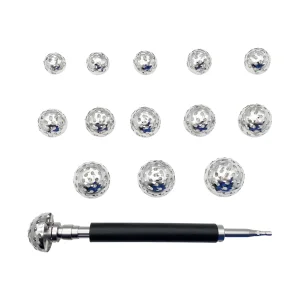
Bridging mechanical integrity and microsurgical precision with documented production benchmarks.
In the field of micro-surgical technology, tools must operate under high-magnification surgical microscopes with absolute repeatability. Established on November 20, 2019, our manufacturing plant has consolidated specialized metallurgic procedures to satisfy international medical device standards.
We supply brand businesses, medical retailers, bulk wholesalers, and specialized veterinary practices globally. Our operations combine standard processing routes with customer-specific requirements, guaranteeing mechanical conformity for critical cutting, gripping, and measurement procedures.
Our quality assurance protocols employ random and customer-dictated inspection regimens overseen by 3 dedicated QA/QC specialists. Standard procedures evaluate hardness (Rockwell Scale), tensile strength, alignment under load, and resistance to repeated chemical sterilization cycles (Autoclave standard cycles at 134°C).
A technical guide to alloy selections, microscopic tolerance control, and clinical applications.
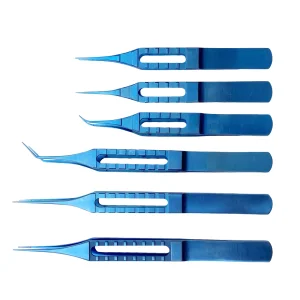
We use specialized Grade 5 Titanium (Ti-6Al-4V ELI) and martensitic/austenitic stainless steels (SS 316L, 420). Titanium offers weight reduction, high tensile strength, and reduces magnetic interference in high-field surgical suites.
Our acid passivation treatments remove free iron from surfaces, forming a uniform chromium oxide layer. This ensures chemical resistance against saline solutions, enzymatic cleaning agents, and repeated autoclaving.
Precision alignment of instrument tips is verified to within ±0.02mm under high magnification. This structural precision is required to cut thin tissue membranes without causing lateral mechanical tearing.
For global medical procurement departments, evaluating mechanical characteristics is necessary for inventory optimization. The table below lists our structural classifications.
| Material Variant | Rockwell Hardness | Magnetic Interference | Primary Application | Sterilization Endurance |
|---|---|---|---|---|
| Grade 5 Titanium (Ti-6Al-4V) | 30-35 HRC | Zero (Non-Magnetic) | Capsulorhexis, Micro-tying forceps | Excellent (Over 1000 Cycles) |
| Austenitic SS 316L | 25-30 HRC | Minimal | Speculums, Cannulas, Forceps | Very Good (Over 600 Cycles) |
| Martensitic SS 420 | 48-52 HRC | Moderate | Corneal scissors, Tenotomy cutters | Good (Requires regular lubrication) |
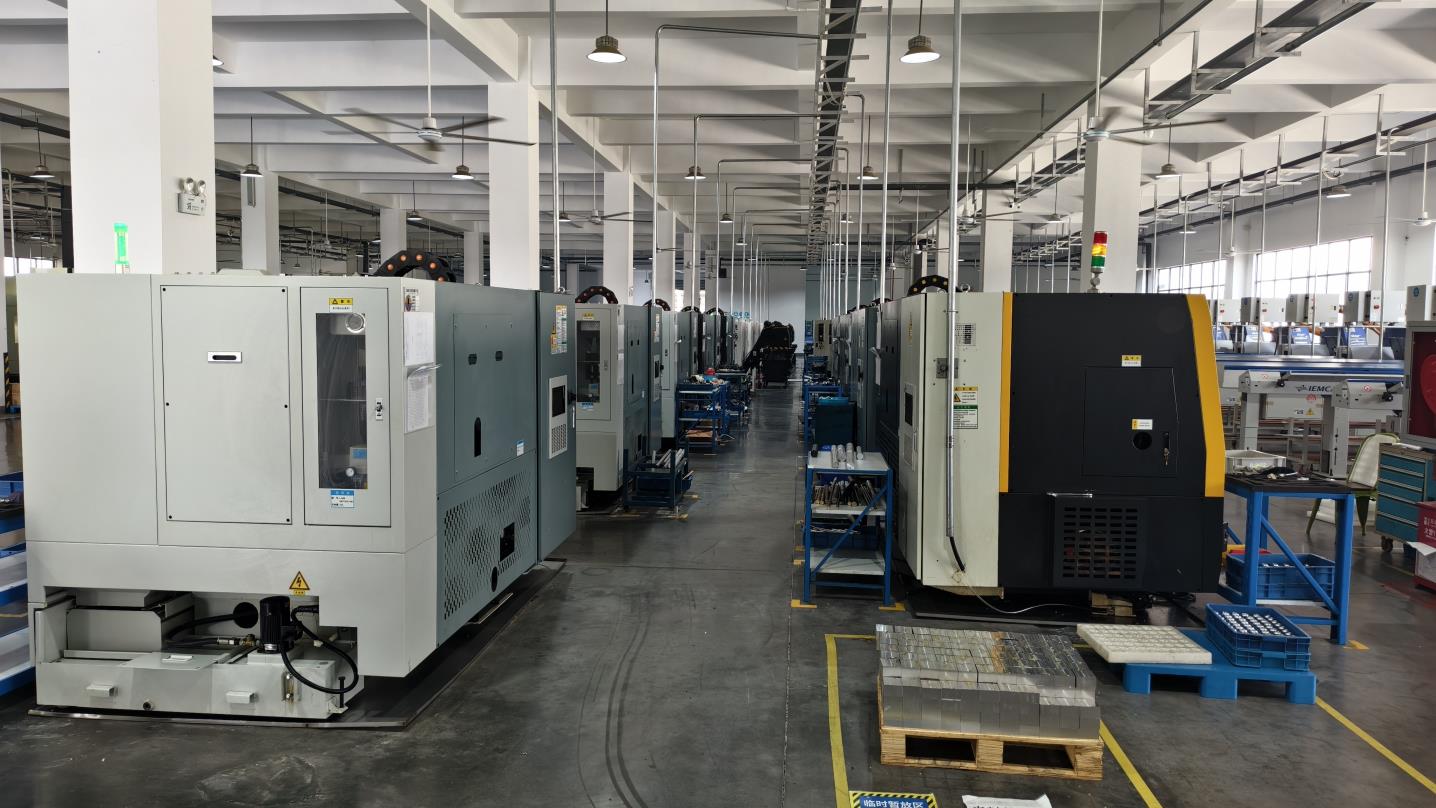
A detailed view of our processing floor, quality evaluation stations, and inventory management facilities.
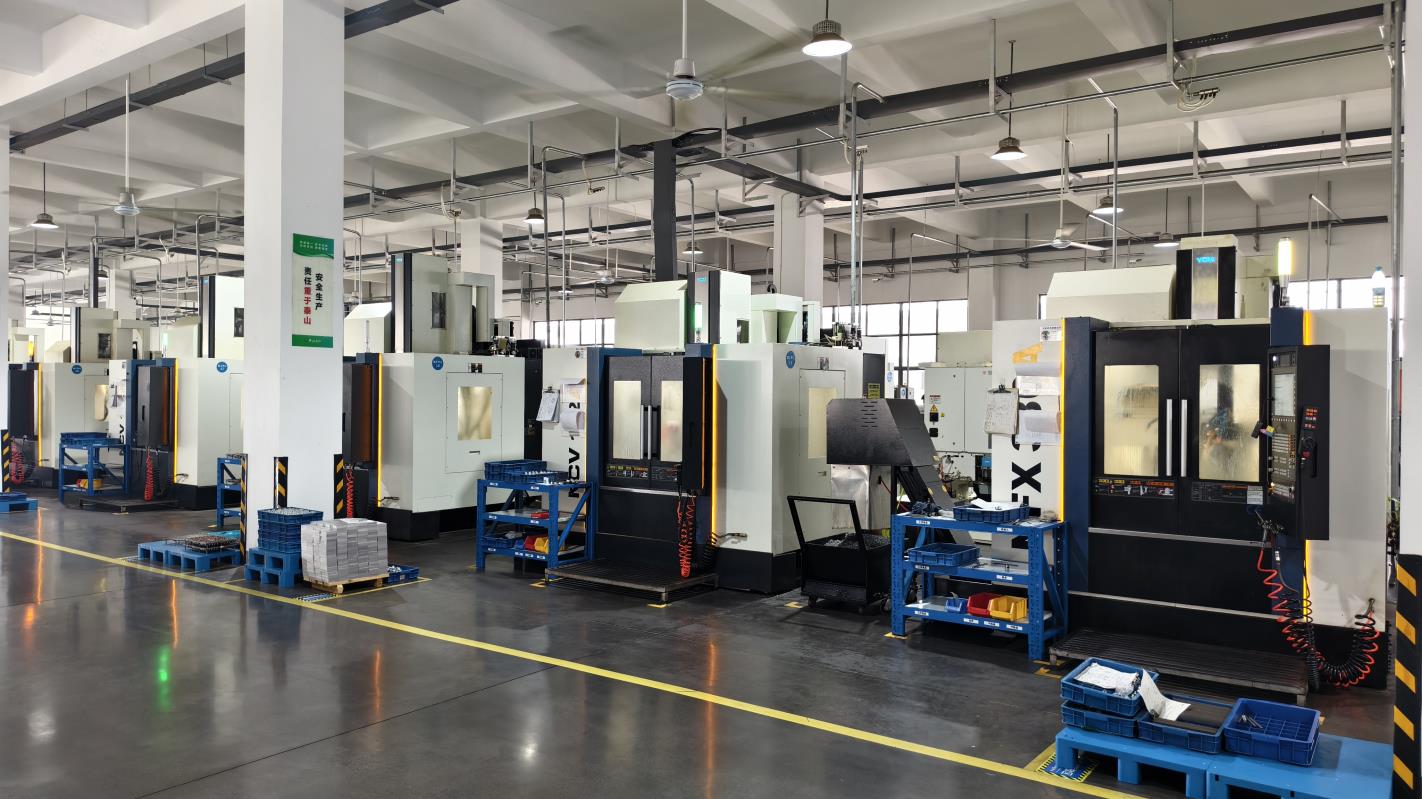
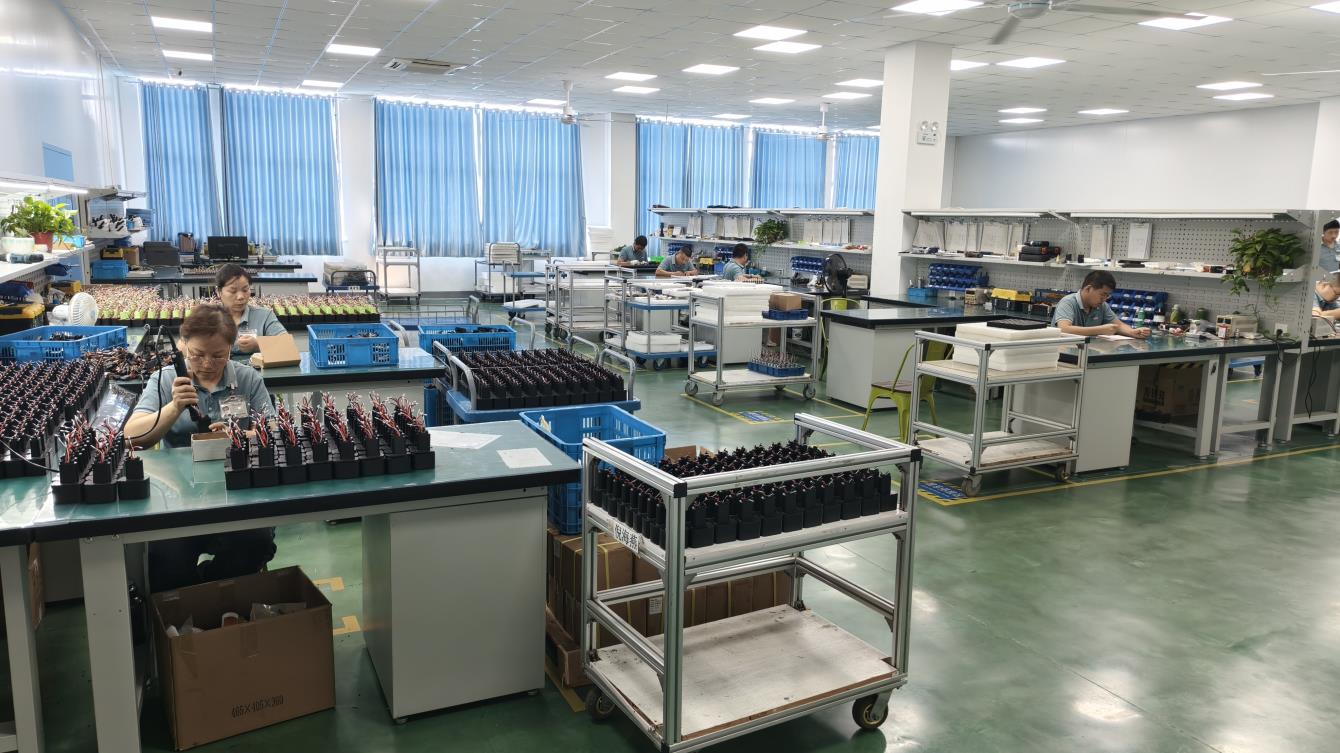
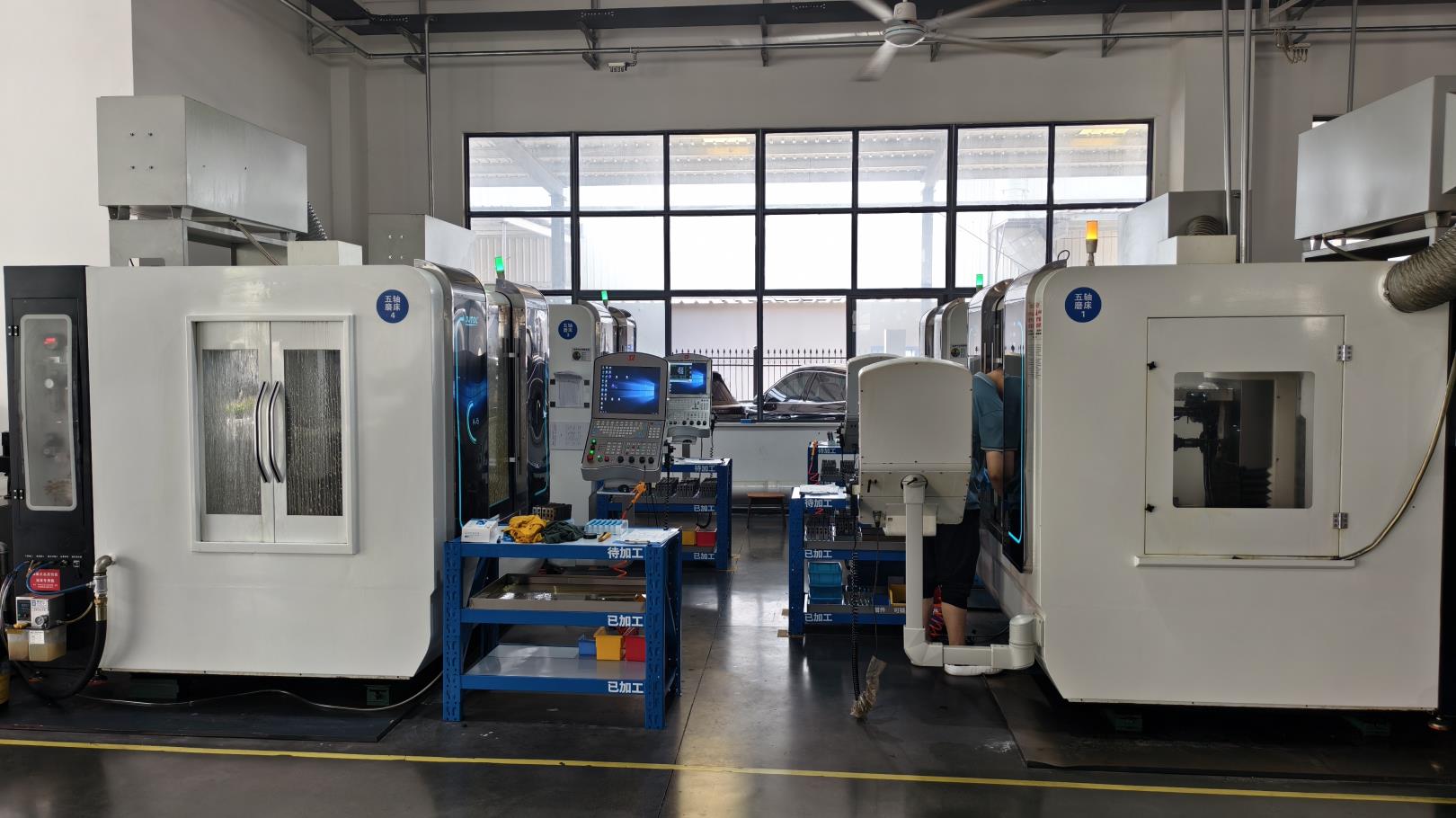
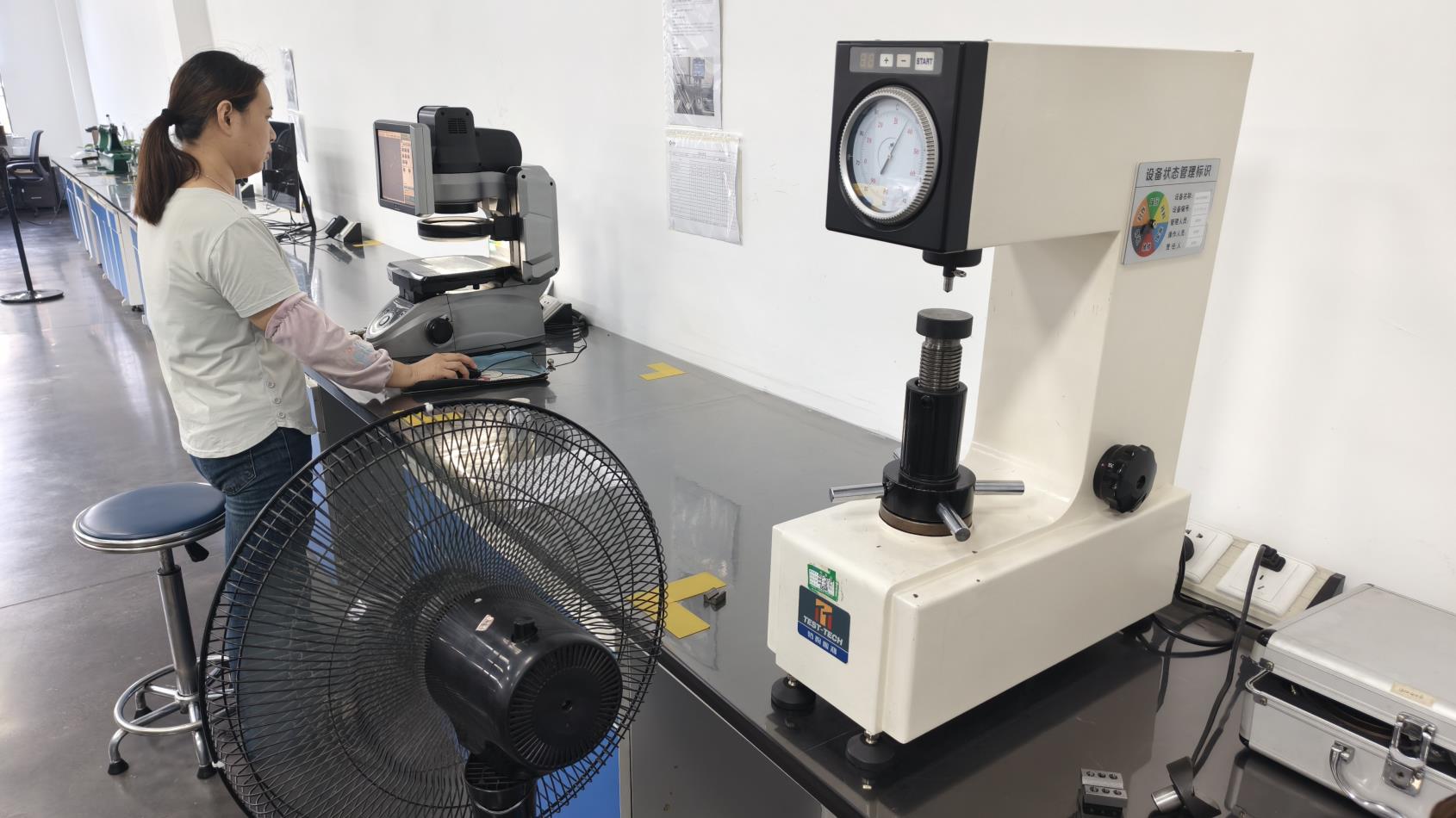
Our QA/QC team implements structured stage-gate reviews throughout the production cycle: raw material verification (using spectral analysis), post-machining dimensional tolerances, ultrasonic bath cleaning, chemical surface passivation, and visual verification under 40x stereomicroscopes.
Ophthalmic surgical interventions target delicate tissues. The structural stability and responsiveness of the tools determine the safety and outcome of these procedures.
Designed for precise control during keratoplasty. The sharp edge design reduces crushing force, preserving endothelial margins.
Features micro-tips with fine grasping surfaces to safely tear the thin anterior capsule membrane (6-8 micrometers thickness).
Designed for blunt dissection during tenotomies, strabismus repairs, and precise dimensional planning for socket reconstruction.
Exporting critical medical instruments requires adhering to strict regulatory protocols across target markets.
Complies with FDA requirements for surgical devices, supporting complete Device History Records (DHR) and standard metal material certifications.
Supports dynamic shipping configurations, customs compliance paperwork, and ANVISA requirements for medical device imports.
Complies with local import frameworks, offering flexible logistics options, and clear certificate documentation to streamline customs clearance.
Logistics & Customs Support: We assist with product registration dossiers, Certificate of Free Sale (CFS), and detailed material testing documentation.
Aligning with next-generation medical demands: Minimally Invasive Ophthalmic Surgery (MIOS) and robotic compatibility.
Applying biocompatible coatings to reduce cutting resistance and minimize wear on fine corneal cutting edges. This ensures the tools remain sharp through more sterilization cycles.
Developing smaller profile, high-strength forceps to support sutureless retinal surgery and small-incision corneal procedures.
Developing specialized connection systems to interface with robotic platforms, supporting the transition toward computer-assisted microsurgical procedures.
Get answers to common technical, manufacturing, and distribution questions.
Explore our specialized range of orthopedic, plastic surgery, and specialized reconstructive instruments.
 Carna Medicial Technology