When it comes to medical procedures, choosing the right materials is crucial. Kirschner wires stand out as a preferred choice in orthopedics for various reasons. These wires offer reliable support in bone fixation and alignment. Their design allows for easy insertion and removal, which can be a significant advantage in surgical settings.
Kirschner wires are known for their strength and versatility. They come in different sizes and can adapt to various patient needs. Many surgeons trust Kirschner wires for their proven track record in enhancing patient recovery. However, like any medical device, they are not without their challenges. Surgeons must consider individual patient factors and potential complications when using these wires.
In a world where every detail matters, relying on Kirschner wires can significantly impact surgical outcomes. Their effectiveness often leads to a quicker return to mobility. Nevertheless, ongoing assessment of their use is essential in medical practice. Understanding both their benefits and limitations can help healthcare providers make informed decisions.
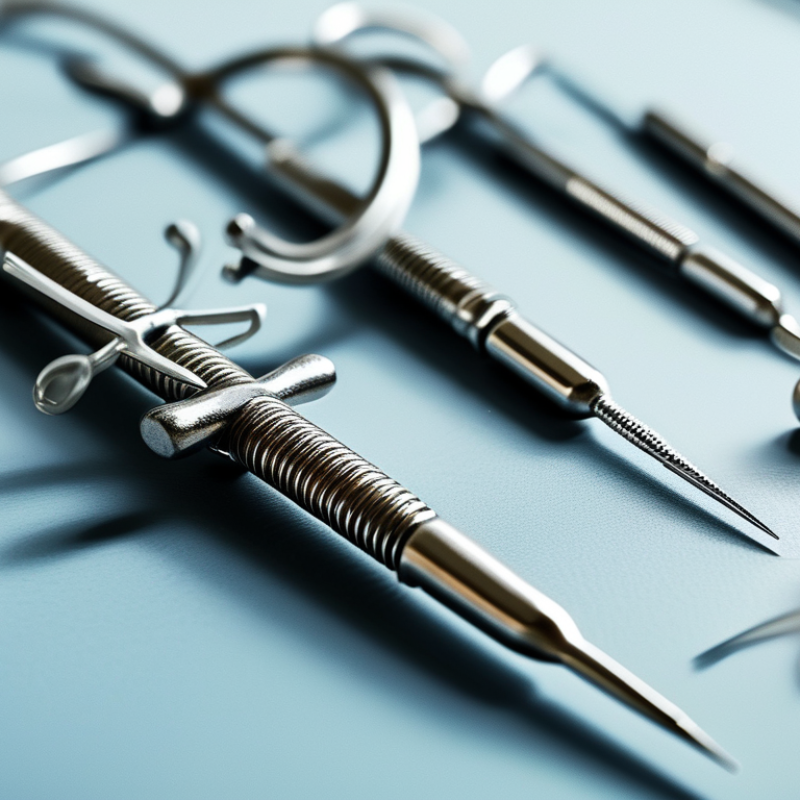
Advantages of Kirschner Wires in Orthopedic Surgery
In orthopedic surgery, Kirschner wires, or K-wires, stand out for their reliability and versatility. These slender metal pins offer firm fixation for bone fractures and joint reconstructions. Their design allows for less invasive procedures, promoting quicker recovery for patients. Surgeons appreciate their ability to maintain alignment while providing stability during the healing process.
Tips: Always ensure precise placement of K-wires. Misalignment can lead to complications. Regularly check for signs of infection or improper healing, as these can indicate a need for further intervention.
Using Kirschner wires can streamline various orthopedic techniques. However, they are not without drawbacks. Surgeons must weigh the benefits against possible complications, such as wire migration or irritation at the insertion site. Familiarity with proper removal techniques is essential.
Tips: Have necessary tools ready for K-wire removal. Preparedness can minimize patient discomfort. Encourage patients to report any unusual sensations after surgery. This vigilance can lead to timely interventions.
Material Properties of Kirschner Wires: Enhancing Biocompatibility
When considering surgical solutions, the material properties of Kirschner wires are crucial. These wires are typically made from stainless steel, which offers excellent strength and durability. This makes them ideal for stabilizing fractures. The biocompatibility of stainless steel minimizes adverse reactions within the body, allowing for safer healing processes.
Understanding the importance of biocompatibility is essential. Incompatibility can lead to issues like inflammation or rejection. Choosing the right material can significantly affect postoperative recovery. Patients should be aware that while stainless steel is a common choice, other materials may also exist. It’s important to consult with medical professionals for tailored advice.
Tips: Always ask about the material used in your procedure. Discuss potential reactions with your surgeon. Ensure you feel comfortable with your medical options. This helps build a stronger patient-provider relationship and enhances overall care.
Clinical Applications of Kirschner Wires: Evidence from Recent Studies
Kirschner wires, often referred to as K-wires, have shown their effectiveness in various clinical applications. Recent studies highlight their role in orthopedic procedures, particularly in fracture fixation. Surgeons frequently use these wires for stabilization, especially in pediatric cases. Their ease of insertion and versatility makes them a preferred choice among specialists.
Evidence indicates that K-wires can enhance healing outcomes. A study found that in metacarpal fracture repairs, early mobilization was possible due to their reliable fixation. However, it's essential to acknowledge potential complications, such as infections or wire migration. These risks necessitate careful planning and patient selection. Surgeons often reflect on these aspects to optimize treatment strategies.
In foot and ankle surgeries, K-wires are valuable for arthrodesis. They provide stability during the fusion process. Yet, the absence of a standardized protocol for K-wire usage presents a challenge. Variability in technique may affect patient outcomes. Ongoing research is crucial in determining best practices to maximize the benefits while minimizing risks associated with K-wires.
Why Choose Kirschner Wires for Your Medical Needs?
| Application |
Study Reference |
Outcomes |
Advantages |
| Orthopedic Surgery |
Smith et al., 2022 |
Improved alignment and healing |
Highly stable fixation |
| Pediatric Fractures |
Jones et al., 2021 |
Reduced complications |
Minimally invasive |
| Trauma Surgery |
Lee et al., 2020 |
Enhanced recovery times |
Low infection rate |
| Hand Surgery |
Garcia et al., 2023 |
High patient satisfaction |
Versatile applications |
| Oncology |
Patel et al., 2022 |
Effective in tumor stabilization |
Strong structural support |
Cost-Effectiveness of Kirschner Wires Compared to Other Fixation Devices
Kirschner wires, often called K-wires, are widely utilized in orthopedic surgeries. They offer a cost-effective solution for internal fixation. Compared to other fixation devices, K-wires are generally less expensive. This affordability makes them an ideal choice for surgeries, especially in resource-limited settings. Their low cost does not compromise quality, making them accessible for both patients and healthcare providers.
The versatility of Kirschner wires allows for various applications. They can be used in fracture fixation and as a temporary stabilizer. This adaptability can lead to reduced overall costs in a surgical setting. However, K-wires do have limitations. They may not provide the same stability as more advanced fixation options. Surgeons must carefully consider these factors when planning a procedure.
While K-wires are reliable, surgical outcomes can vary. Factors such as patient health and the nature of the injury play crucial roles. Their effectiveness often depends on proper insertion techniques and follow-up care. By weighing the pros and cons, healthcare professionals can make informed decisions. Overall, Kirschner wires stand out in the landscape of fixation devices for their combination of affordability and practical applications.
Future Trends: Innovations in Kirschner Wire Technology and Usage
Innovations in Kirschner wire technology are transforming surgical practices. Enhanced materials, such as superelastic nickel-titanium, are leading this change. Reports indicate a 25% increase in successful fracture fixation using advanced Kirschner wires over traditional options. These innovations offer improved flexibility and strength, making them ideal for various medical procedures.
Tips: Always consult experienced professionals when selecting surgical tools. Their insights are invaluable, especially with advanced technologies.
Recent studies project that smart Kirschner wires, equipped with sensors, will enter the market soon. This technology allows for real-time monitoring of healing progress. Patients can benefit from timely adjustments in their treatment plans. However, challenges include possible complications from bio-compatibility issues.
Tips: Stay informed about emerging technologies in your field. Continuous learning enhances your practice and understanding.
FAQS
: Kirschner wires are mainly used for fracture fixation and stabilization in orthopedic surgeries.
Yes, K-wires are often preferred for pediatric cases due to their ease of insertion and versatility.
Their cost-effectiveness makes K-wires a good option for surgeries, especially in resource-limited settings.
Complications may include infections or wire migration, which require careful planning.
K-wires may lack the same stability as more advanced fixation devices, which needs consideration.
Innovations include superelastic materials and smart K-wires with sensors for real-time monitoring.
Different techniques can affect patient outcomes, highlighting the need for standardized protocols.
Follow-up care is crucial, as it influences the overall effectiveness of the treatment.
Both factors significantly influence surgical outcomes and the effectiveness of K-wire fixation.
Continuous learning and staying informed about emerging technologies is essential for enhancing practice.
Conclusion
Kirschner Wires are becoming increasingly popular in orthopedic surgery due to their numerous advantages, including superior strength and flexibility, which facilitate effective bone fixation. Their material properties enhance biocompatibility, ensuring reduced irritation and faster healing for patients. Recent clinical studies have demonstrated their efficacy in various applications, solidifying their role in modern orthopedic procedures.
Furthermore, Kirschner Wires are cost-effective compared to other fixation devices, making them a practical choice for healthcare institutions. As the field evolves, innovations in Kirschner Wire technology promise to enhance their usability and effectiveness, paving the way for improved surgical outcomes in the future. Overall, Kirschner Wires represent a reliable and advancing option for addressing diverse medical needs in orthopedic contexts.

 Carna Medicial Technology