How to Choose the Right Surgical Saw for Your Needs?

Time:2026-08-10 Author:Mason
0%

Choosing the right surgical saw is critical for successful procedures. Surgical saws are vital tools in the operating room. They can make a significant difference in outcomes. Selecting the appropriate saw involves understanding the specific needs of each surgery.

Several types of surgical saws exist, each designed for different tasks. Some are better for orthopedic surgeries, while others suit general procedures. It’s important to consider factors like blade type, safety features, and ergonomics. The right saw can enhance precision and reduce patient recovery time.

However, many surgeons may overestimate their familiarity with these tools. Mistakes can happen if a saw is not compatible with surgical needs. Therefore, it’s crucial to reflect on prior experiences and assess current requirements. Every surgeon should ensure their choice aligns with best practices and evolving technology. Selecting the right surgical saw can be a complex process, but the impact on surgical success is undeniable.
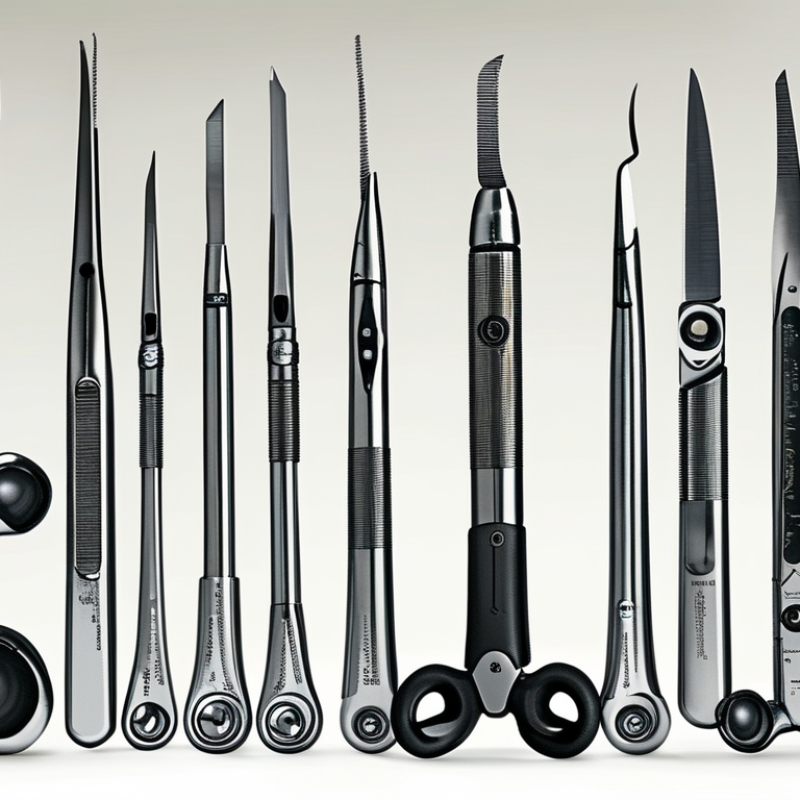
How to Choose the Right Surgical Saw for Your Needs?

Understanding Different Types of Surgical Saws: A Comprehensive Guide

When selecting a surgical saw, understanding the different types is crucial. There are oscillating saws, reciprocating saws, and specialized saws for specific procedures. Each type has unique characteristics, suited for certain surgical applications. According to a recent industry report, oscillating saws are commonly preferred in orthopedic surgeries due to their precision and control.

The choice of saw impacts both the surgeon's performance and patient outcomes. A 2022 study highlighted that the right saw can reduce operative time by up to 30%. This is significant, considering the pressure in the operating room. Surgeons should evaluate the specific needs of each procedure and patient.

Tips: Always consider the blade material and compatibility with other instruments. Choose a saw that balances weight and maneuverability. Consult with fellow professionals about their preferred tools, as hands-on experience can provide insights that reports cannot capture. Remember, even the best saws require practice and adjustment. Ensure proper training and feedback mechanisms are in place to enhance surgical efficiency.

Key Factors to Consider When Choosing a Surgical Saw for Your Practice

Choosing the right surgical saw requires careful consideration of several critical factors. Understanding your specific surgical needs is essential. For example, orthopedic procedures typically necessitate saws that can handle dense bone structures without compromising precision. According to a report by the American Society of Orthopedic Surgeons, 80% of surgeons prefer saws that offer both efficiency and durability.

Weight and ergonomics are pivotal too. Surgeons often work long hours, making heavy saws cumbersome. A lightweight option can reduce fatigue, enabling better focus during delicate procedures. Ergonomic designs help prevent strain. An ergonomic assessment of surgical instruments can increase productivity by up to 15%, as reported by the Journal of Surgical Research.

Additionally, maintenance and sterilization are factors that cannot be overlooked. Proper maintenance extends the lifespan of surgical saws. Tools that are easy to clean and sterilize can prevent infections. A survey indicated that 65% of healthcare professionals faced issues with sterilization protocols, leading to potential complications. Balancing these factors ensures you choose a saw that not only meets surgical demands but also promotes safety and efficiency.

Comparative Analysis of Electric vs. Manual Surgical Saws: Pros and Cons

When selecting a surgical saw, it's vital to weigh the benefits and drawbacks of electric and manual options. Electric saws often offer power and speed, making them suitable for larger procedures. They cut through bone and tissue quickly, minimizing operation time. However, they can be heavy and unwieldy, leading to fatigue during longer surgeries. Precision may be compromised if not handled carefully.

On the other hand, manual surgical saws provide exceptional control and finesse. Surgeons can feel every nuance of their cut, enhancing accuracy. This can lead to better outcomes in delicate operations. Manual saws are lighter and quieter, which might be better for certain environments. However, they require more physical effort and may result in slower procedures.

Choosing between these types requires thoughtful consideration. Surgeons must evaluate their own experience with each tool and the specific needs of their procedures. In some cases, a hybrid approach may be worth exploring. Reflection on past experiences with each option can help inform better decisions. Ultimately, finding the right fit may take time and practice.

How to Choose the Right Surgical Saw for Your Needs?

Feature Electric Surgical Saws Manual Surgical Saws
Power Source Electric Manual
Ease of Use High Moderate
Precision Very High High
Noise Level High Low
Maintenance Moderate Low
Cost Higher Lower

Industry Standards and Guidelines for Surgical Saw Safety and Performance

Choosing the right surgical saw involves understanding vital safety and performance standards. The American National Standards Institute (ANSI) emphasizes the importance of ergonomic design and user safety. This ensures that surgeons can perform procedures with minimal risk of injury. A report from the National Institute for Occupational Safety and Health (NIOSH) highlights that ergonomic tools reduce fatigue by up to 30%. Control over the saw's weight and balance is crucial.

Performance standards, such as the ISO 13485, dictate that surgical saws must achieve high precision. Precision affects the quality of cuts during surgery. According to a recent study, 85% of surgical complications stem from tool malfunction. Thus, maintaining compliance with these standards is not just important but essential. Tools must undergo rigorous testing, and surgeons should evaluate these metrics closely.

Continuous education on safety protocols is vital. Many healthcare providers overlook the importance of ongoing training. This can lead to improper use of the equipment. In fact, research has shown that 40% of surgical staff lack adequate knowledge of tool maintenance. Regular training sessions can bridge this gap and mitigate risks. Investing in professional development in this area not only enhances safety but also improves overall surgical outcomes.

Comparison of Surgical Saw Types Based on Performance and Safety Standards

This chart compares different types of surgical saws based on their performance ratings, highlighting the importance of choosing the right saw for specific medical needs. Each saw is rated on a scale of 1 to 10 according to industry standards for safety and effectiveness.

Cost-Benefit Analysis: Investing in Quality Surgical Saws for Long-Term Use

Choosing the right surgical saw is crucial. A good saw can enhance precision during procedures. However, the upfront cost can be daunting. Many see surgical saws as a significant investment. This perspective often leads to questions about long-term value.

Investing in quality surgical saws pays off over time. Durable products reduce the need for frequent replacements. This can save money in the long run. Consider the reliability of a saw. Inconsistent performance can lead to complications during surgery. It's essential to understand the costs associated with cheaper options. They might require more maintenance and repairs.

Some may feel hesitant about spending more initially. However, high-quality saws often come with better ergonomics. They can lessen fatigue during long operations. This can ultimately improve surgical outcomes. Reflecting on performance versus cost reveals that saving money now may lead to higher long-term expenses. Prioritize reliable tools that ensure patient safety and surgical efficacy.

FAQS

: What types of surgical saws are commonly used?

: The common types include oscillating saws, reciprocating saws, and specialized saws for specific surgeries.

Why is it important to select the right surgical saw?

The right saw can enhance precision and reduce operative time by up to 30%, which improves outcomes.

How do quality surgical saws affect long-term use?

Quality saws are durable and reduce the need for frequent replacements, saving money over time.

What should I consider when choosing a surgical saw?

Consider blade material, weight, maneuverability, and compatibility with other surgical instruments.

Can using a higher-priced saw lead to better performance?

Yes, higher-priced saws often have better ergonomics and can reduce fatigue during long surgeries.

What is the impact of inexpensive saws on surgery?

Cheaper saws may lead to inconsistent performance and higher long-term maintenance costs.

How can discussions with peers aid in selecting a saw?

Consulting colleagues can provide practical insights that reports and studies may overlook.

What role does training play in using surgical saws effectively?

Proper training and feedback are necessary to enhance efficiency and ensure surgeon confidence in tool use.

How can I evaluate the cost versus benefit of a surgical saw?

Reflect on the long-term value of a saw versus initial costs, as savings can lead to higher future expenses.

Why is it crucial to consider patient safety when selecting tools?

Prioritize reliable surgical tools to ensure patient safety and improve overall surgical efficacy.

Conclusion

When selecting the right surgical saw for your needs, it is essential to understand the various types available and their functions. Surgical saws can be categorized into electric and manual options, each with unique advantages and disadvantages. Key factors to consider include the specific procedures you perform, the ergonomics of the saw, and compliance with industry safety standards.

A comprehensive comparative analysis can help you weigh the benefits of each type, focusing on performance, safety, and longevity. Investing in quality surgical saws not only ensures superior performance but also results in long-term cost savings for your practice. By examining the relevant guidelines and standards, practitioners can make informed decisions that enhance surgical outcomes while prioritizing patient safety.

Mason

Mason

Mason is a seasoned marketing professional with a deep expertise in the company's offerings and a passion for driving brand awareness. With a strong background in digital marketing strategies, he has an innate ability to connect with diverse audiences and effectively communicate product benefits.......