In the intricate world of surgical procedures, the choice of instruments plays a critical role. Surgical forceps stand out as essential tools for medical professionals. They enhance precision and control during various surgeries. High-quality forceps can drastically influence patient outcomes.
Selecting the right surgical forceps requires expertise and understanding. Different types are designed for specific functions, and not all forceps are created equal. Medical professionals must consider material, design, and ergonomics to ensure optimal performance. Some forceps might not provide the expected grip or comfort, leading to challenges in delicate procedures.
Ultimately, the effectiveness of surgical forceps hinges on their reliable performance. Surgeons must feel confident in their tools. This means reflecting on past experiences and continuously seeking improvements. A commitment to selecting the best surgical forceps will reflect positively on patient care and surgical success.
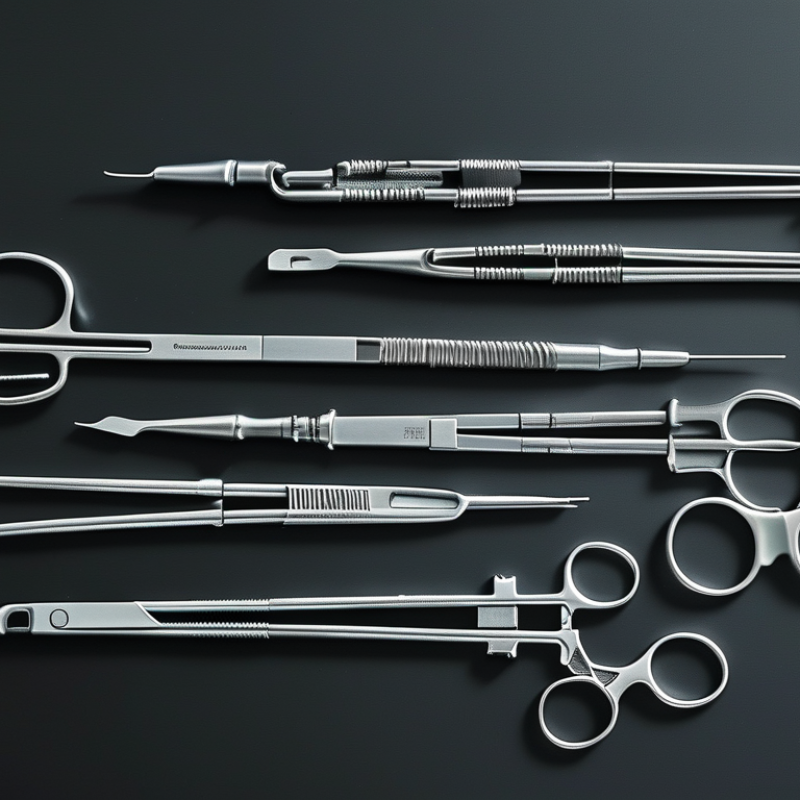
Overview of Surgical Forceps and Their Importance in Medicine
Surgical forceps are essential tools in the medical field. They play a critical role in various procedures, ensuring precision and safety. These instruments are designed to grasp, hold, or compress tissues and other materials, offering a steady hand when it matters most. According to a 2022 report by the World Health Organization, the use of proper surgical instruments can reduce operative time by up to 30%. Such efficiency can lead to better patient outcomes and lower risk of complications.
The variety of surgical forceps available caters to different specializations. For example, hemostatic forceps are often employed to control bleeding. In a study by the Journal of Surgical Research, it was highlighted that using the right type of forceps can prevent tissue trauma and enhance surgical efficiency. However, the choice of forceps is not without challenges. Surgical professionals must be aware of their unique styles and preferences, which can affect outcomes. Regular training and discussions on the latest advancements in surgical techniques can aid in choosing the right instruments, fostering a culture of continuous improvement.
Types of Surgical Forceps and Their Specific Uses in Procedures
Surgical forceps are essential tools in various medical procedures. Each type of forceps serves a specific purpose, enhancing the efficiency of operations. For instance, dissecting forceps are designed for holding and manipulating tissue. This ensures precision during delicate surgeries. Meanwhile, tissue forceps offer a firm grip on soft tissues, making them invaluable in procedures where control is key.
When considering the right forceps for a procedure, think about material and design. Stainless steel is a popular choice for durability. Some forceps have serrated jaws, providing an enhanced hold. This can be especially useful in time-sensitive situations. Additionally, consider the size of the forceps. Smaller forceps allow for more intricate work, while larger ones aid in handling broader tissue areas.
Learning to choose the right type of forceps can save time and prevent complications. Practice with various types in simulation settings. Engaging with experienced colleagues can yield valuable insights about best practices. Reflecting on your experiences with forceps can lead to improved decision-making in the operating room. Always strive to refine your technique, as each procedure offers opportunities for growth. Consider the nuances of each tool and how it aligns with your surgical approach.
Key Features to Look for in High-Quality Surgical Forceps
When selecting surgical forceps, quality significantly impacts surgical outcomes. High-quality forceps should be comfortable and easy to maneuver. It’s crucial that they provide a secure grip without slipping. The material used also plays a vital role; stainless steel offers durability and resistance to corrosion, making it a preferred choice among professionals.
Another key feature is the tip design of the forceps. Different shapes and sizes cater to various procedures. For instance, fine-tipped forceps are ideal for delicate operations. However, sometimes, finding the right balance between tip precision and gripping strength is challenging. Forceps with locking mechanisms can enhance control, but they can sometimes be too stiff, requiring more force than necessary.
Finally, consider the weight of the forceps. They should feel substantial but not overly heavy. The design should promote ease of use during extended procedures. Without proper consideration, surgical fatigue may set in, affecting haptic feedback. Thus, attention to these details is essential in choosing the right surgical forceps for your practice.
Benefits of Choosing Premium Surgical Forceps for Medical Professionals
When selecting surgical forceps, understanding the benefits of premium options is crucial for medical professionals. Quality forceps offer enhanced precision and durability. This ensures that tools can withstand repeated use without compromising performance. Premium forceps often feature ergonomic designs, making them comfortable to hold during long procedures. Comfort can significantly reduce hand fatigue, which is essential for maintaining focus and minimizing errors.
Using high-quality forceps promotes better patient outcomes. Superior grip and fine instrumentation allow for controlled movements, reducing the risk of accidental injuries during delicate surgeries. Medical professionals must recognize the value of investing in tools that enhance their capabilities. It’s important to consider weight, balance, and materials used in the construction of these instruments. A slight oversight in these factors can lead to subpar performance in critical moments.
Practicing awareness about the tools at hand is vital. Regularly assess the condition of forceps. Check for any wear and tear, as this can impact their reliability. An experienced professional should develop a habit of cleaning and maintaining instruments after each use. This simple practice can significantly extend the life of the tools, ensuring they remain dependable during procedures. Emphasizing quality and maintenance in surgical forceps can lead to better results and increased confidence in medical practice.
Maintaining and Care for Surgical Forceps: Best Practices for Longevity
Proper care of surgical forceps is crucial for their longevity and effectiveness. Studies show that properly maintained surgical instruments can last up to 30% longer than those that are not cared for. Maintaining forceps involves regular cleaning, sterilization, and inspection for wear and tear. A report by the Association for the Advancement of Medical Instrumentation highlights that improper cleaning leads to contamination, which puts patients at risk. Regularly checking for rust or damage can prevent potential failures during procedures.
Instruments should be cleaned immediately after use. The first step is manual cleaning, followed by sterilization in an autoclave. Use of appropriate cleaning solutions can help maintain their integrity. According to a survey, over 60% of healthcare professionals admit to occasional mishandling of surgical instruments. This suggests a need for retraining in instrument care. Ensuring that all team members are aware of best practices can drastically improve instrument lifespan.
Forceps should be inspected for alignment and functionality before each use. Even small misalignments can compromise their effectiveness. A review of surgical cases indicated that 15% of instrument-related complications stemmed from inadequate inspections. It’s essential to develop a culture of accountability in instrument care among surgical teams. Thoughtful maintenance practices can enhance both patient safety and surgical outcomes.
FAQS
: Surgical forceps are essential tools for grasping, holding, and compressing tissues during medical procedures.
Using the right surgical instruments can reduce operative time by up to 30%, improving efficiency and outcomes.
Consider comfort, grip security, material durability, and tip design when selecting surgical forceps for procedures.
Preferences and styles among surgical professionals can affect outcomes, making the selection process complex.
Premium forceps offer enhanced precision, durability, and comfort, which can improve focus and reduce hand fatigue.
Regular assessment, cleaning, and maintenance of forceps are vital for reliability and longevity of the instruments.
Stainless steel is preferred due to its durability and corrosion resistance, impacting performance positively.
Locking mechanisms enhance control but can be stiff, sometimes requiring unnecessary force during use.
Forceps should feel substantial but not too heavy; improper weight can lead to surgical fatigue affecting performance.
Neglecting wear and tear on tools can lead to unreliable performance during critical moments in surgery.
Conclusion
Surgical forceps are essential tools in the medical field, designed for various procedures that require precision and control. Their significance lies in their ability to grasp, manipulate, and secure tissues during surgeries. Different types of surgical forceps serve specific functions, making it crucial for medical professionals to select the right ones based on their procedural needs.
When choosing surgical forceps, it’s important to consider key features such as material quality, ergonomic design, and durability. Premium surgical forceps offer several benefits, including enhanced performance and reduced fatigue during extended use. Additionally, proper maintenance and care are vital for ensuring the longevity of these instruments, which involves regular cleaning and careful handling. By investing in high-quality surgical forceps, medical professionals can improve their surgical outcomes and enhance patient safety.

 Carna Medicial Technology