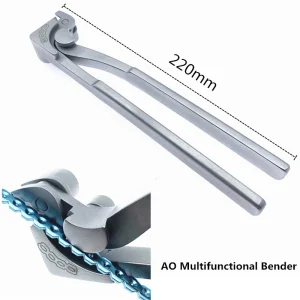
Complete traceability of premium medical-grade raw materials ensures unmatched biocompatibility, corrosion resistance, and operational safety across all custom surgical instruments.
Engineered strictly to meet global standards. Our rigorous random inspections and custom client-specified testing protocols align perfectly with strict EU MDR and international regulatory guidelines.
From advanced sample development and custom graphic processing to complex CAD designs, our R&D wing transforms highly specialized blueprints into market-ready precision tools.
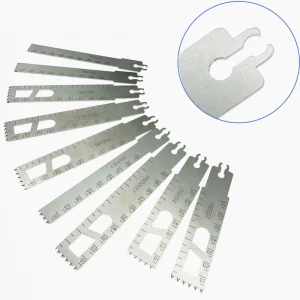
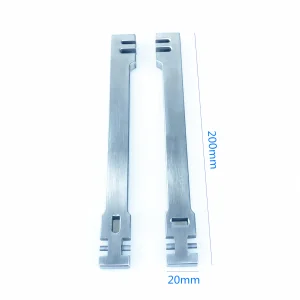
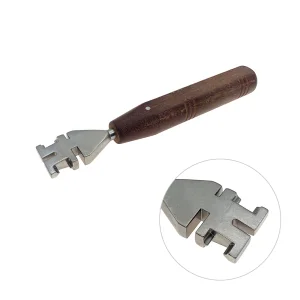
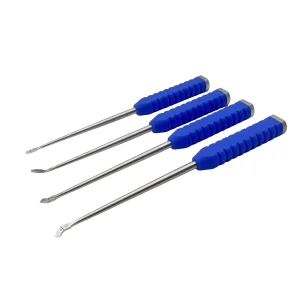
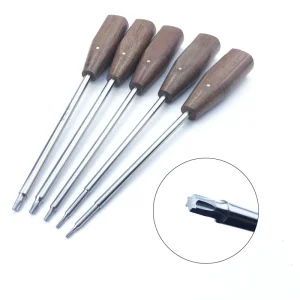
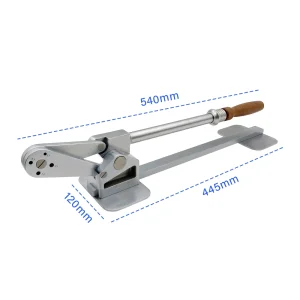
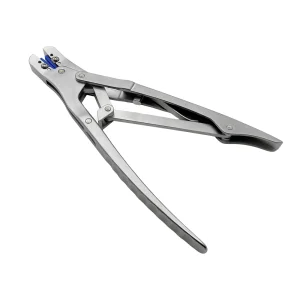
Explore our flagship, medical-grade orthopaedic and veterinary instruments engineered for elite clinical performance and extreme durability.
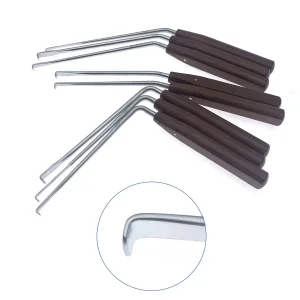
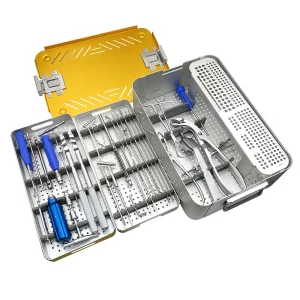
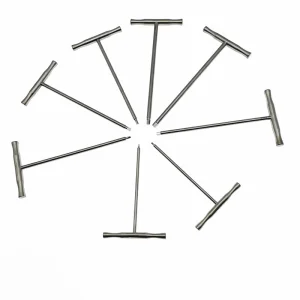
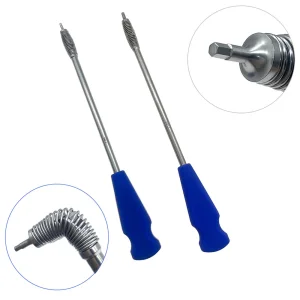
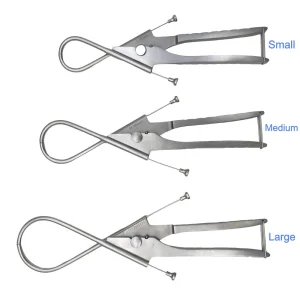
A clinical, regulatory, and supply chain analysis of high-precision ophthalmic and orthopaedic instrumentation manufacturing.
Modern ophthalmology continues to push the boundaries of minimally invasive surgical protocols. Key ophthalmic procedures, including premium phacoemulsification for cataract removal, micro-invasive glaucoma surgery (MIGS), and vitreoretinal operations, dictate that handheld tools must demonstrate absolute mechanical reliability. Devices such as titanium suture forceps, micro-scissors, and speculums are subjected to intense sterilizing stresses.
As micro-incisions shrink below 2.2mm, instrument factories must shift towards advanced alloys. The application of Grade 5 (Ti-6Al-4V ELI) Titanium has become standard for high-end micro-forceps like the Castroviejo series. Titanium provides a 40% reduction in weight compared to traditional stainless steel, eliminates magnetic interference in high-field clinical settings, and offers superior fatigue lifetime under continuous autoclave cycles.
Global medical supply chains are undergoing rigorous regulatory overhauls. Medical device buyers, distributors, and large hospital procurement networks face tighter standards under the European Union Medical Device Regulation (EU MDR 2017/745) and strict FDA 510(k) clearances. As a result, sourcing demands are shifting away from low-cost, unverified alternatives toward manufacturers that guarantee 100% raw material traceability.
High-integrity sourcing now requires chemical validation reports, material batch certifications, and consistent quality metrics. Modern procurement directors evaluate vendors not only on unit costs but also on quality assurance systems—such as ISO 13485 certification, the depth of active QA/QC teams, and the capability of the supplier to provide transparent compliance dossiers.
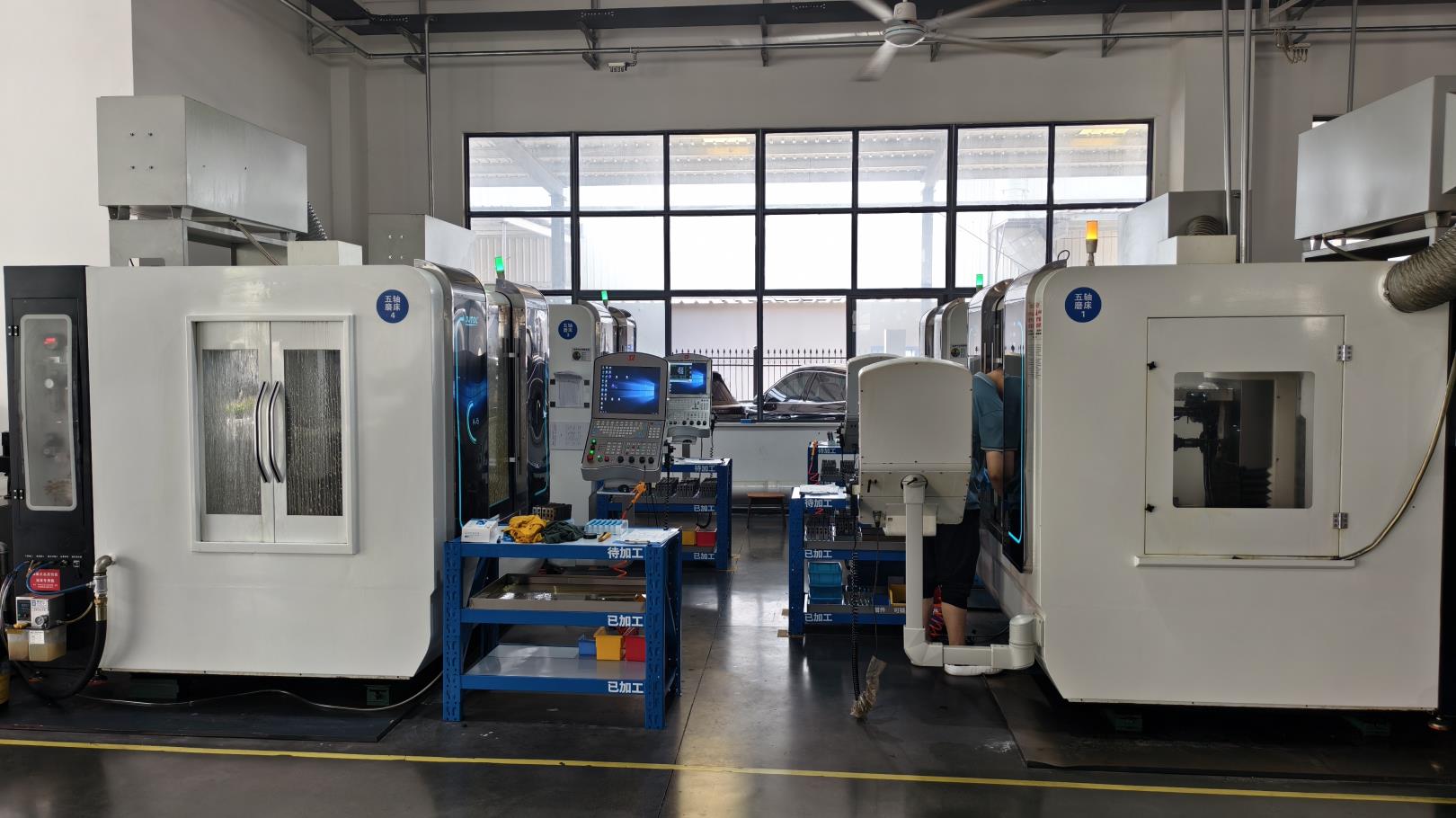
Chinese medical device exporters have transitioned from traditional volume manufacturing to high-end Industry 4.0 production environments. Advanced facilities deploy computer-aided design and manufacturing (CAD/CAM) integrated with multi-axis CNC micro-machining centers. This technological upgrade achieves dimensional tolerances as low as ±0.01mm, critical for micro-surgical assemblies such as Castroviejo needle holders or orthopedic bone saws.
Beyond machining precision, China’s industrial cluster advantages deliver a complete and resilient ecosystem. Factories integrate raw material processing, heat treatment, ultrasonic cleaning, and cleanroom packaging within highly consolidated hubs. This level of vertical integration insulates buyers from global shipping disruptions and significantly shortens R&D iterations for custom OEM components.
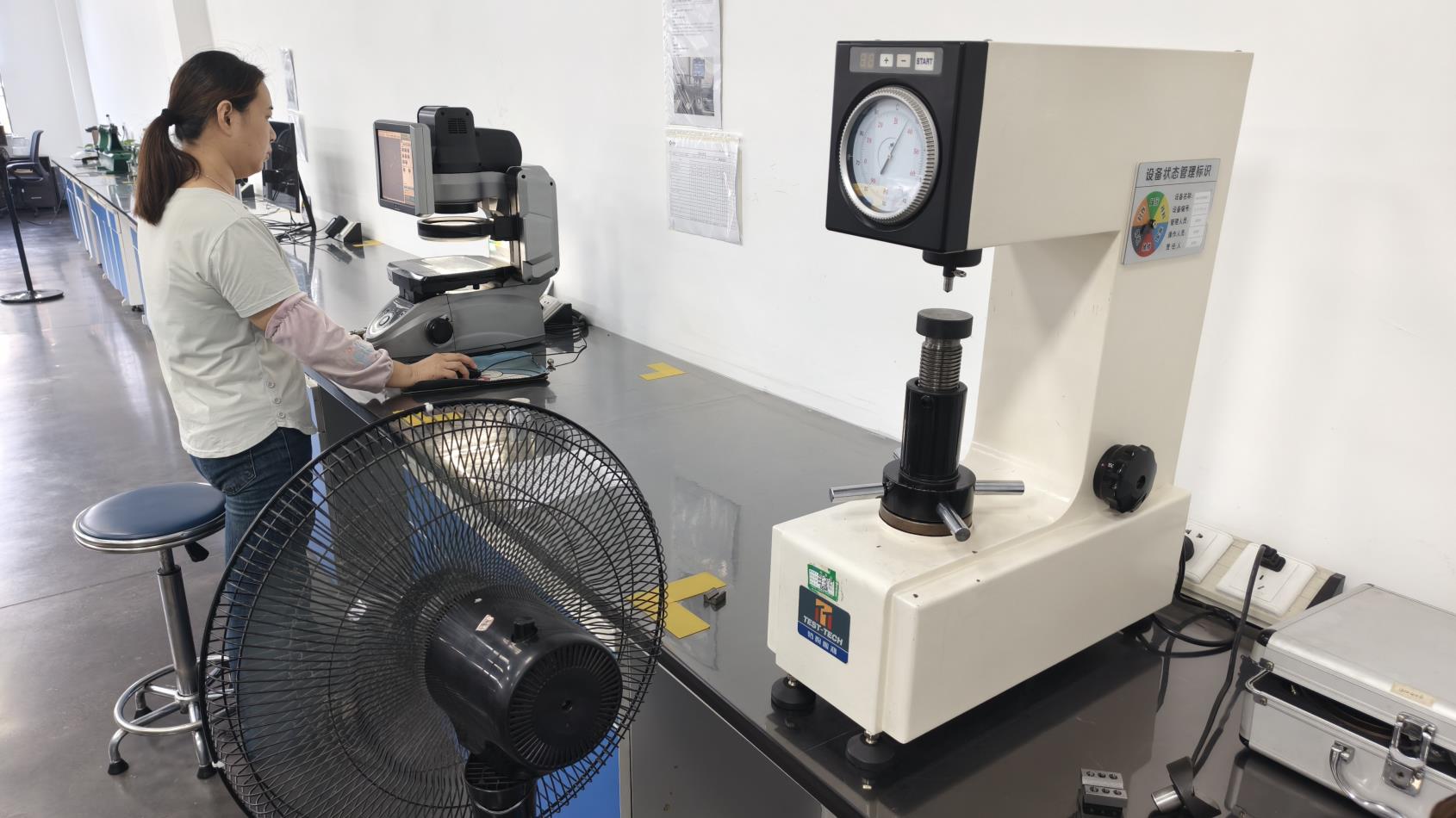
Our QA/QC ecosystem is designed around high-risk medical standardizations. Equipped with 3 dedicated inspectors, we run continuous audits and offer testing procedures adapted to custom client specifications.
Operating as an OEM/ODM partner, we help brands design custom clinical configurations. Our facilities are built for rapid prototyping and agile small-to-mid batch production cycles.
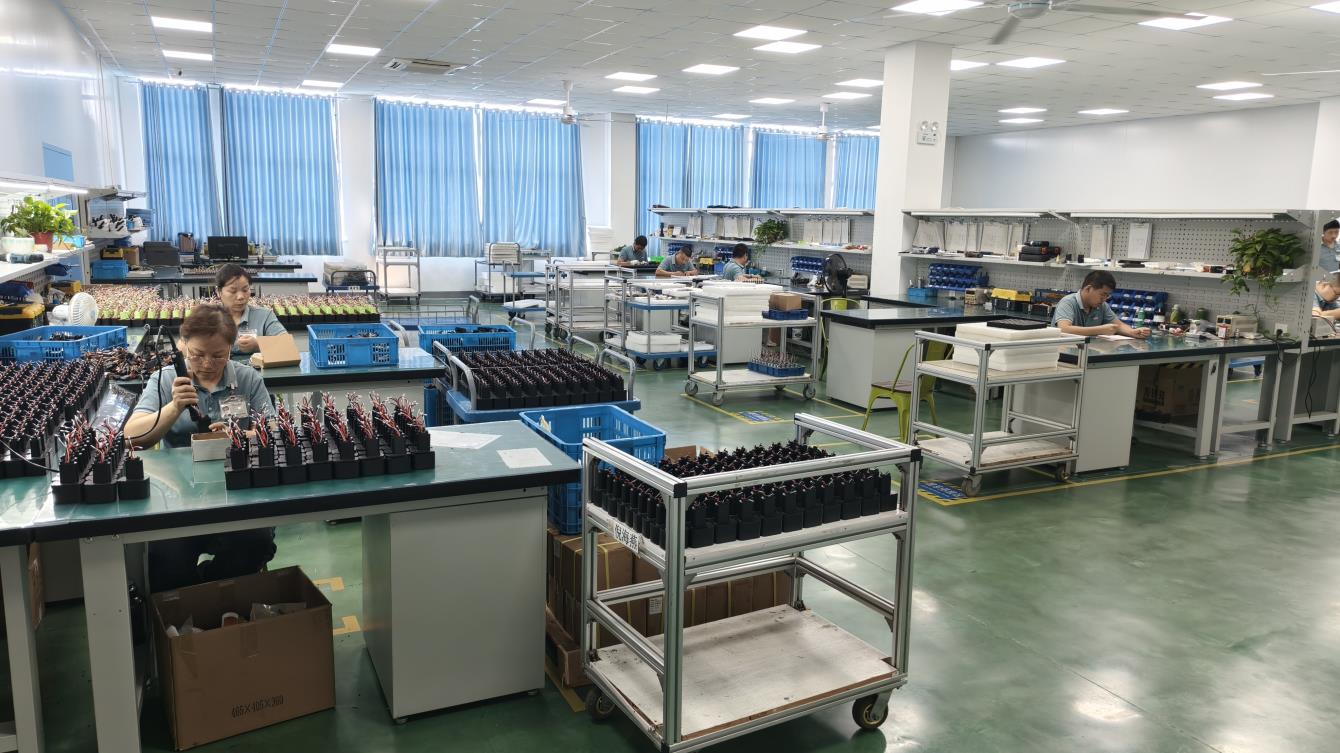
A look inside our state-of-the-art production floors, advanced machining facilities, and precision warehousing zones.
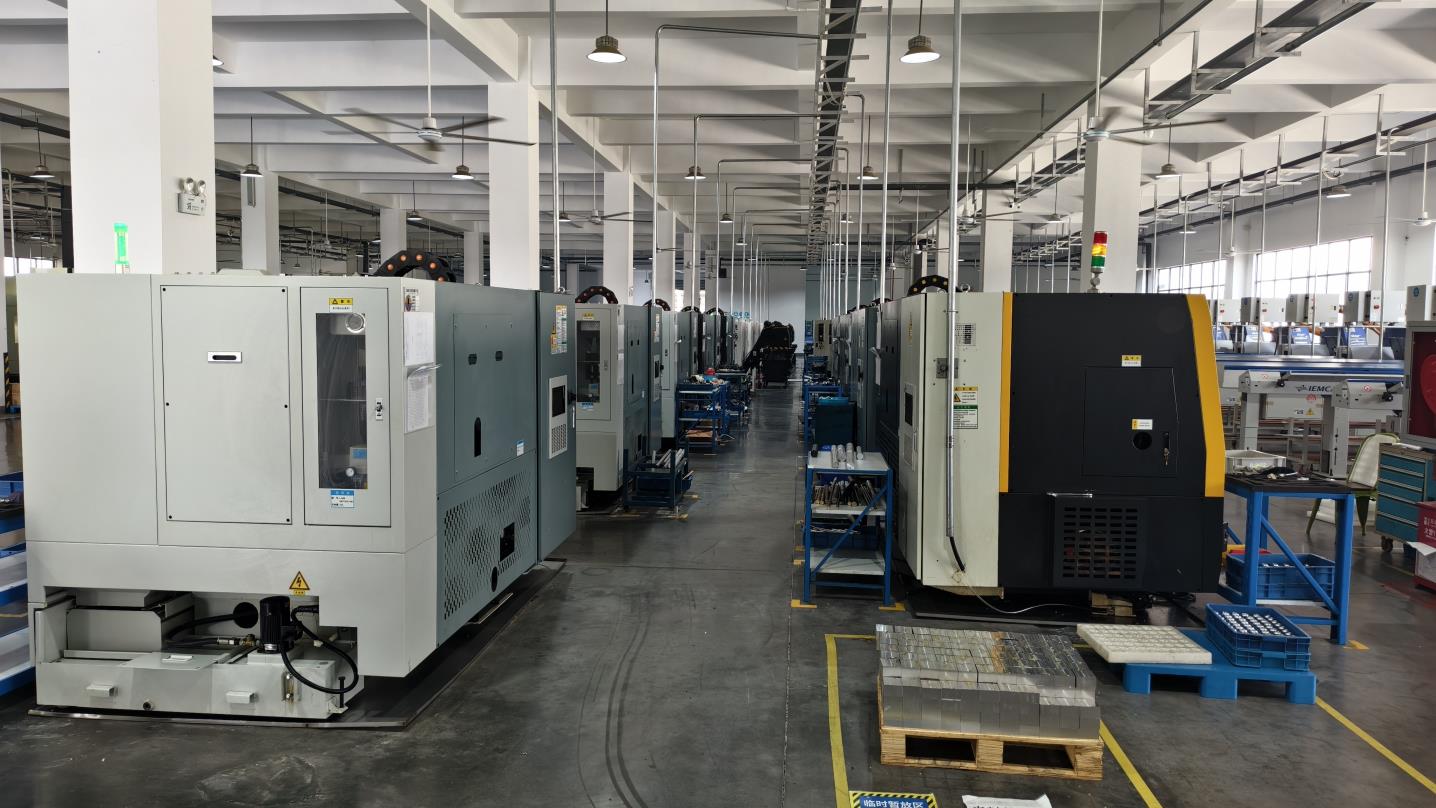
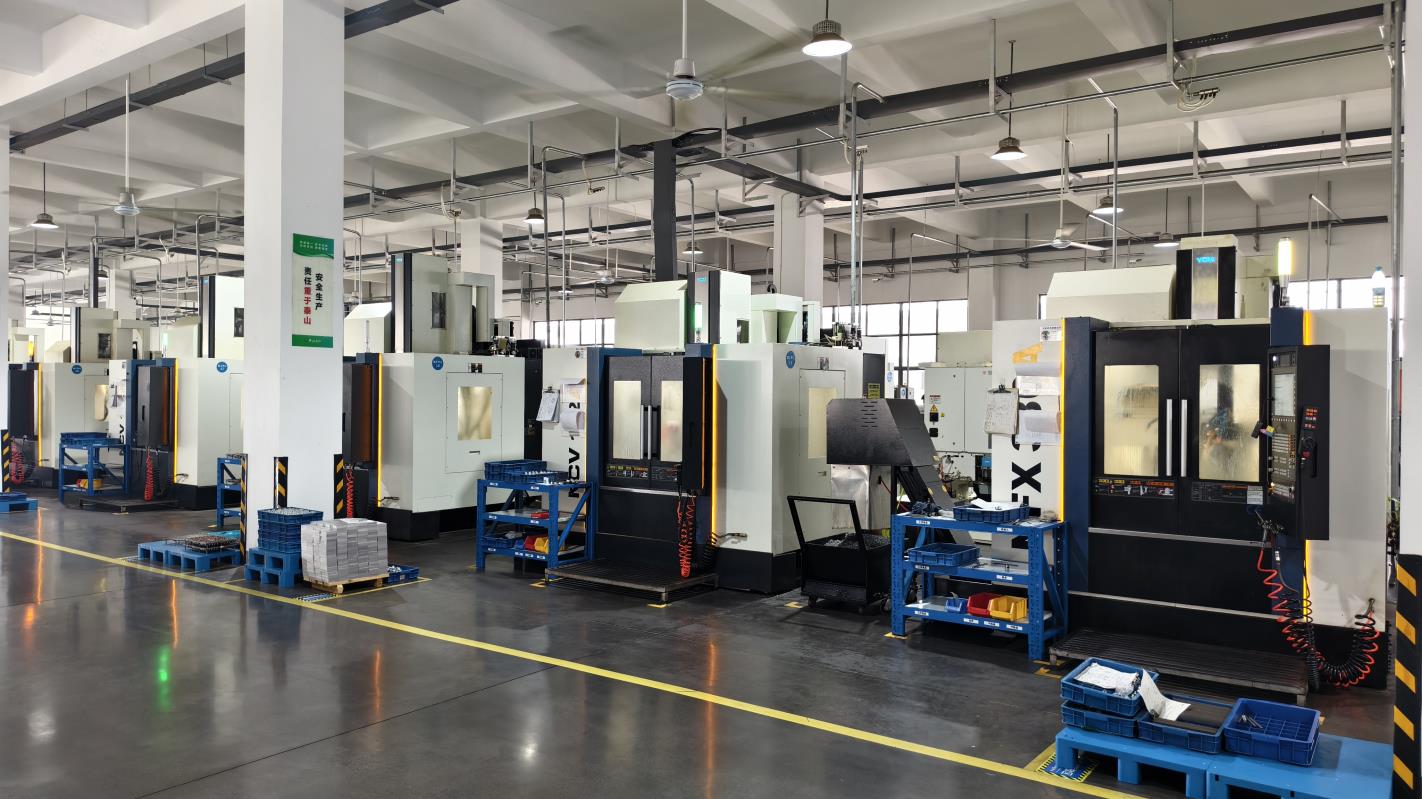
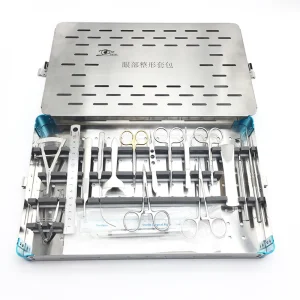
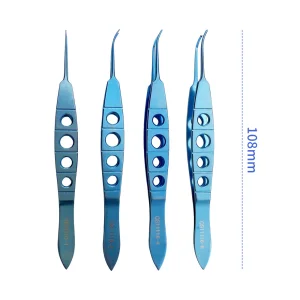
Premium clinical solutions designed for ophthalmic, plastic, and general reconstructive microsurgeries.
Expert responses addressing engineering standards, global trade logistics, and regulatory protocols.
 Carna Medicial Technology