Explore our medical-grade instrument solutions, designed for orthopedic bone management, precision ophthalmology, and advanced surgical procedures.
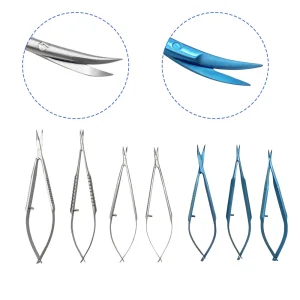
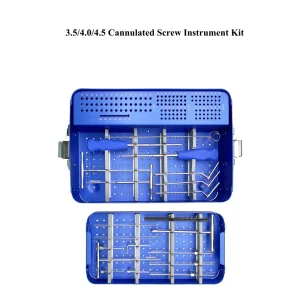
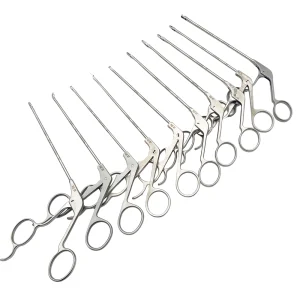
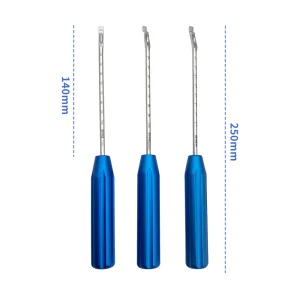
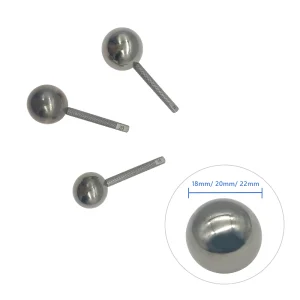
Kirschner wires (commonly termed K-wires) or Kirschner pins represent one of the most fundamental yet indispensable implants in modern orthopedic surgery, veterinary traumatology, and reconstructive microsurgery. First introduced by Martin Kirschner in 1909, these sharpened, smooth stainless steel or titanium pins are utilized to stabilize bone fragments during internal and temporary external osteosynthesis.
As a leading medical manufacturer in China, our production facility specializes in addressing the critical mechanical and biological parameters that define premium K-wires. From the initial metallurgy to the final surface electropolishing, we maintain strict quality control to guarantee that our surgical pins perform flawlessly under high-stress clinical situations.
Critical Manufacturing Note: Standard clinical risks such as thermal necrosis, wire migration, and infection are directly tied to the geometric precision and raw material purity of the wire. We address these concerns by utilizing medical-grade 316LVM stainless steel and Grade 5 ELI titanium alloys.
Our compliance metrics and processing capabilities represent decades of collective experience, serving major distributors and surgical brands globally.
The chemical structure of orthopedic fixation dictates its mechanical integrity in vivo. We implement strict criteria in sourcing raw materials.
Utilizing low-carbon, vacuum-arc remelted (VAR) stainless steel complying with ASTM F138. Offers ultimate tensile strength and resistance to pitting and crevice corrosion under physiological loads.
Targeted for long-term implantation, our Grade 5 Extra Low Interstitial (ELI) titanium complies with ASTM F136. It provides superior biocompatibility, lower modulus of elasticity, and excellent fatigue resistance.
All wires undergo acid passivation and electropolishing. This process eliminates micro-grooves, minimizes cellular adherence where temporary use is intended, and generates a robust chromium oxide barrier layer.
| Material Type | Applicable Standards | Tensile Strength (MPa) | Key Clinical Indications | Biocompatibility Level |
|---|---|---|---|---|
| 316LVM Stainless Steel | ASTM F138, ISO 5832-1 | 860 - 1100 | Temporary skeletal traction, pediatric fracture fixation, osteotomy stabilization | Excellent (Short to Medium term) |
| Ti-6Al-4V ELI Titanium | ASTM F136, ISO 5832-3 | 900 - 1050 | Permanent implant support, MRI-sensitive reconstructions, hand surgery | Outstanding (Long term / Permanent) |
| Pure Titanium (Grade 2/4) | ASTM F67, ISO 5832-2 | 680 - 800 | Suture anchors, highly flexible pediatric pinning | Outstanding (Bio-inert) |
The insertion behavior of a Kirschner wire depends on its tip design. During axial rotation and driving, the tip functions as a drill bit. Heat generation from high speeds can cause localized thermal osteonecrosis if the tip design is unoptimized.
We manufacture two primary tip formats:
Additionally, we supply both Smooth Wires (allowing easy removal once bone healing is complete) and Threaded Wires. Threaded variants increase pull-out resistance, preventing the wire from migrating over time—a common complication in pediatric elbow fractures and pelvic procedures.
Understanding supply constraints and regional legal structures is crucial for wholesale procurement teams in Europe and the Americas.
Our manufacturing protocols align with class II medical device frameworks. We provide comprehensive technical files, cleanroom environmental monitoring reports (Class 100,000 / ISO 8), and biocompatibility studies (ISO 10993) to facilitate rapid regulatory registrations.
With R&D capabilities that include sample processing, graphic design, and on-demand custom geometries, we configure wire diameters from 0.8mm to 3.0mm, and lengths up to 300mm. We support laser etching, batch labeling, and sterile pouching.
Leveraging our 6 years of export experience, we manage container logistics and localized custom clearances across major markets. Our target footprint covers North America (25%), South America (25%), and Southeast Asia (15%).
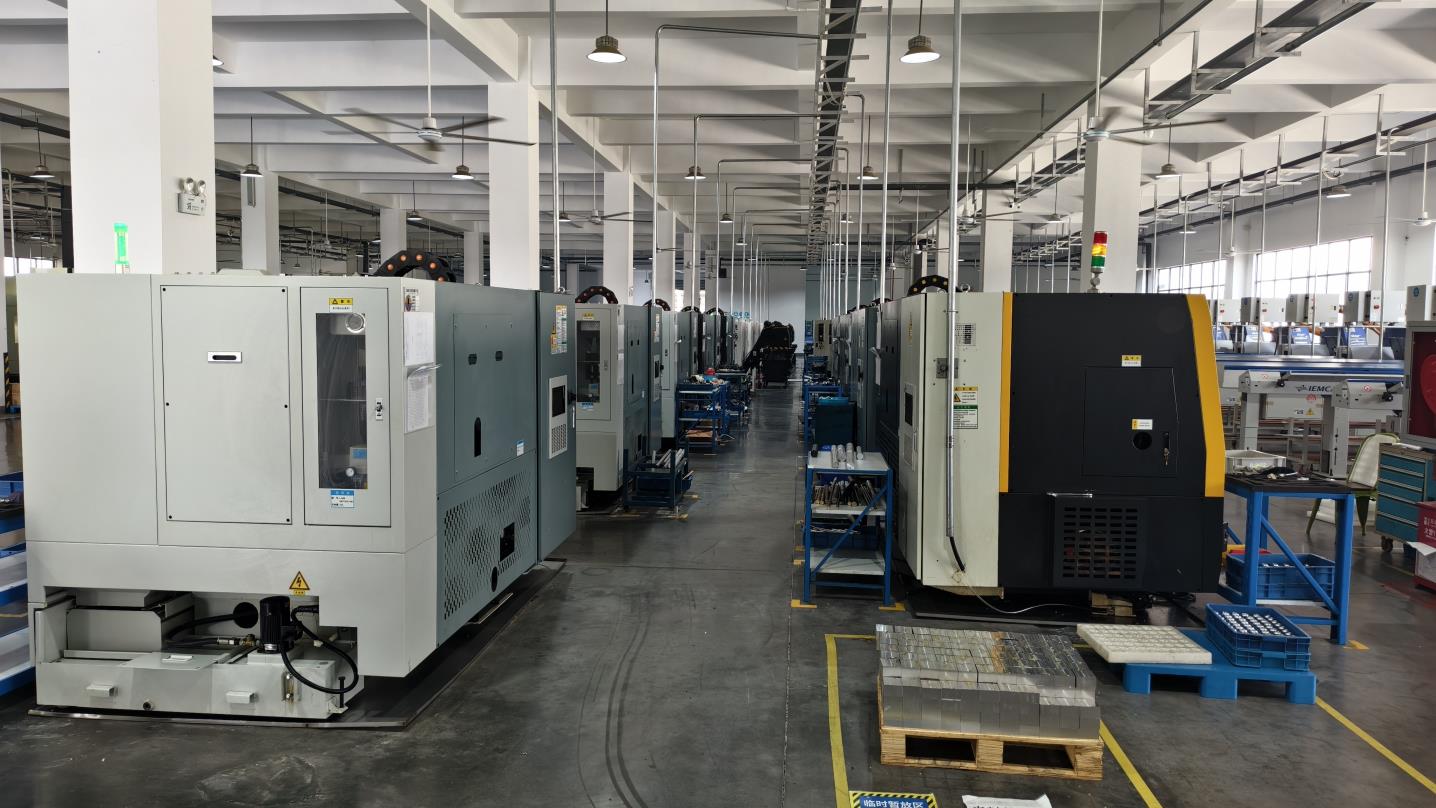
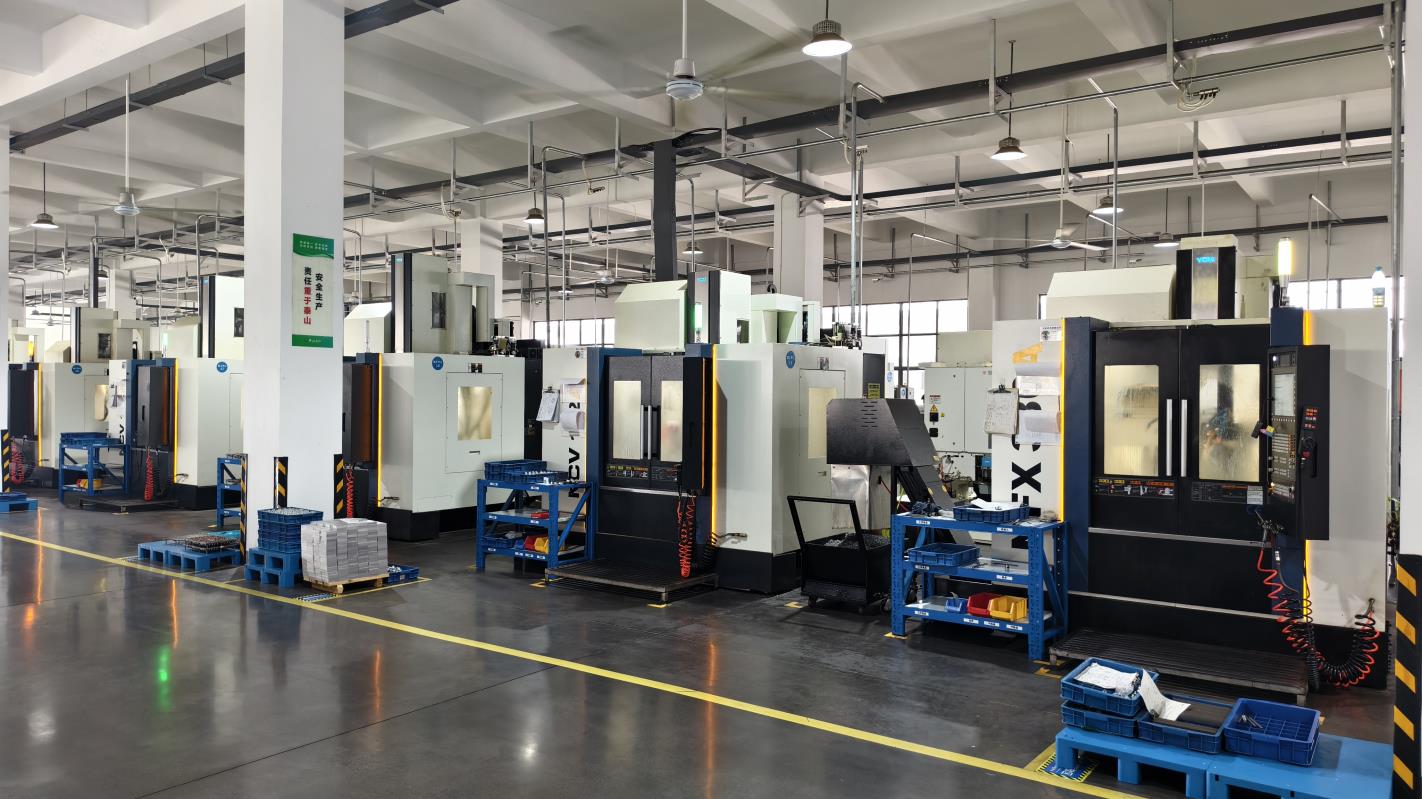
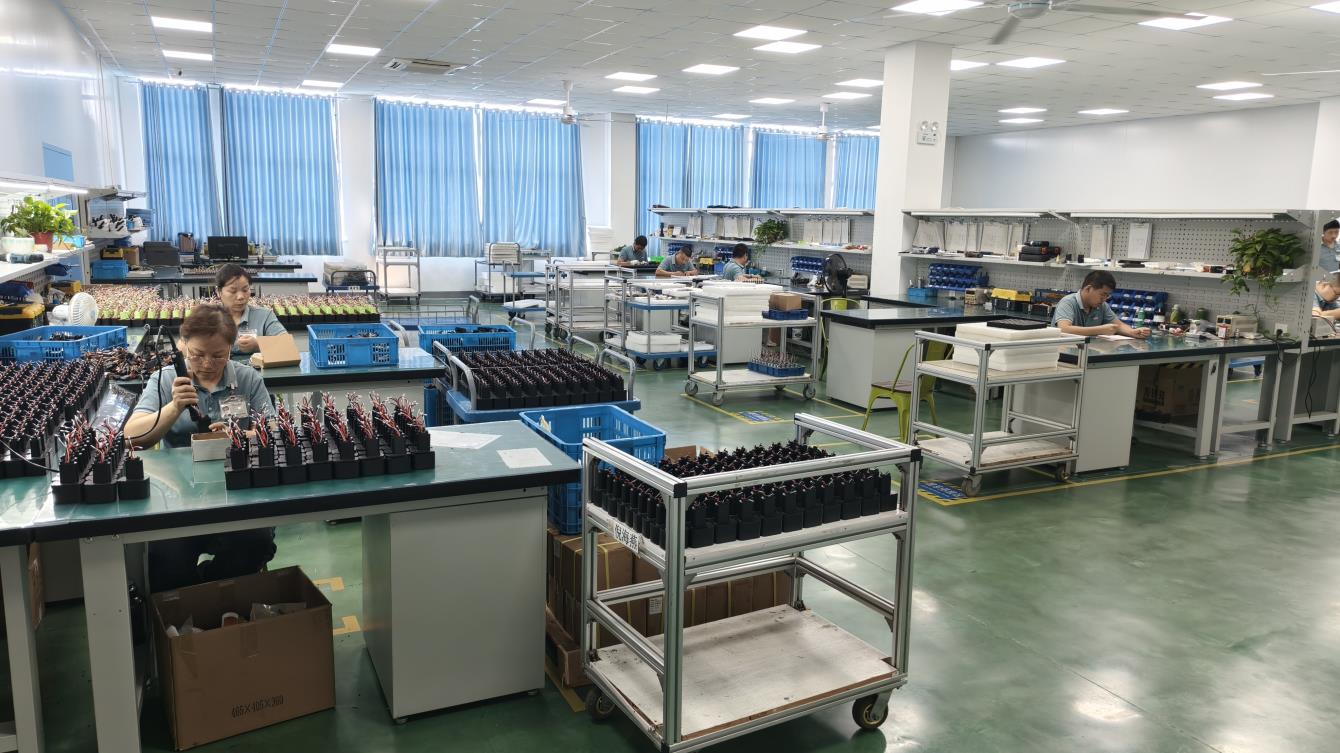
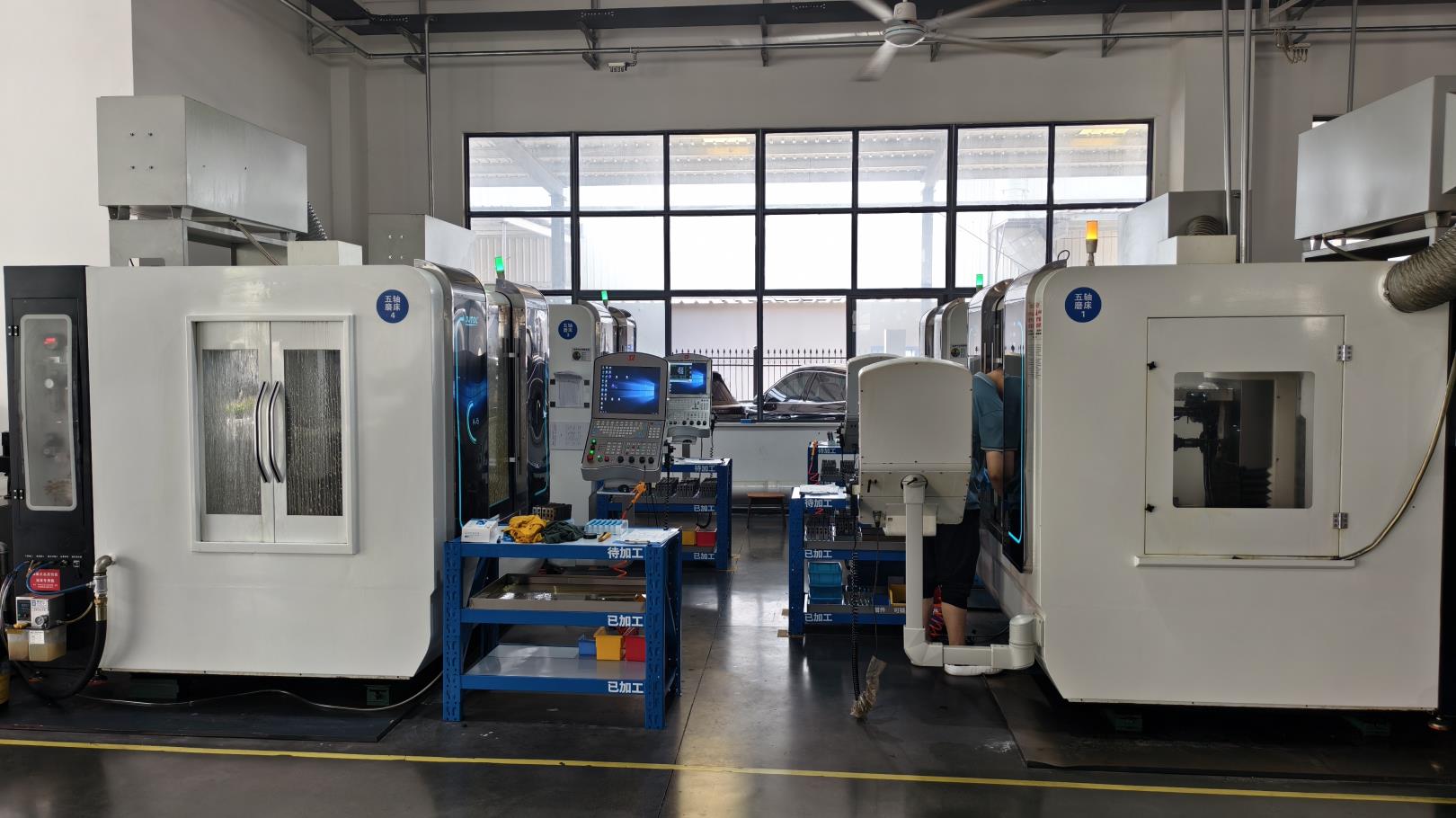
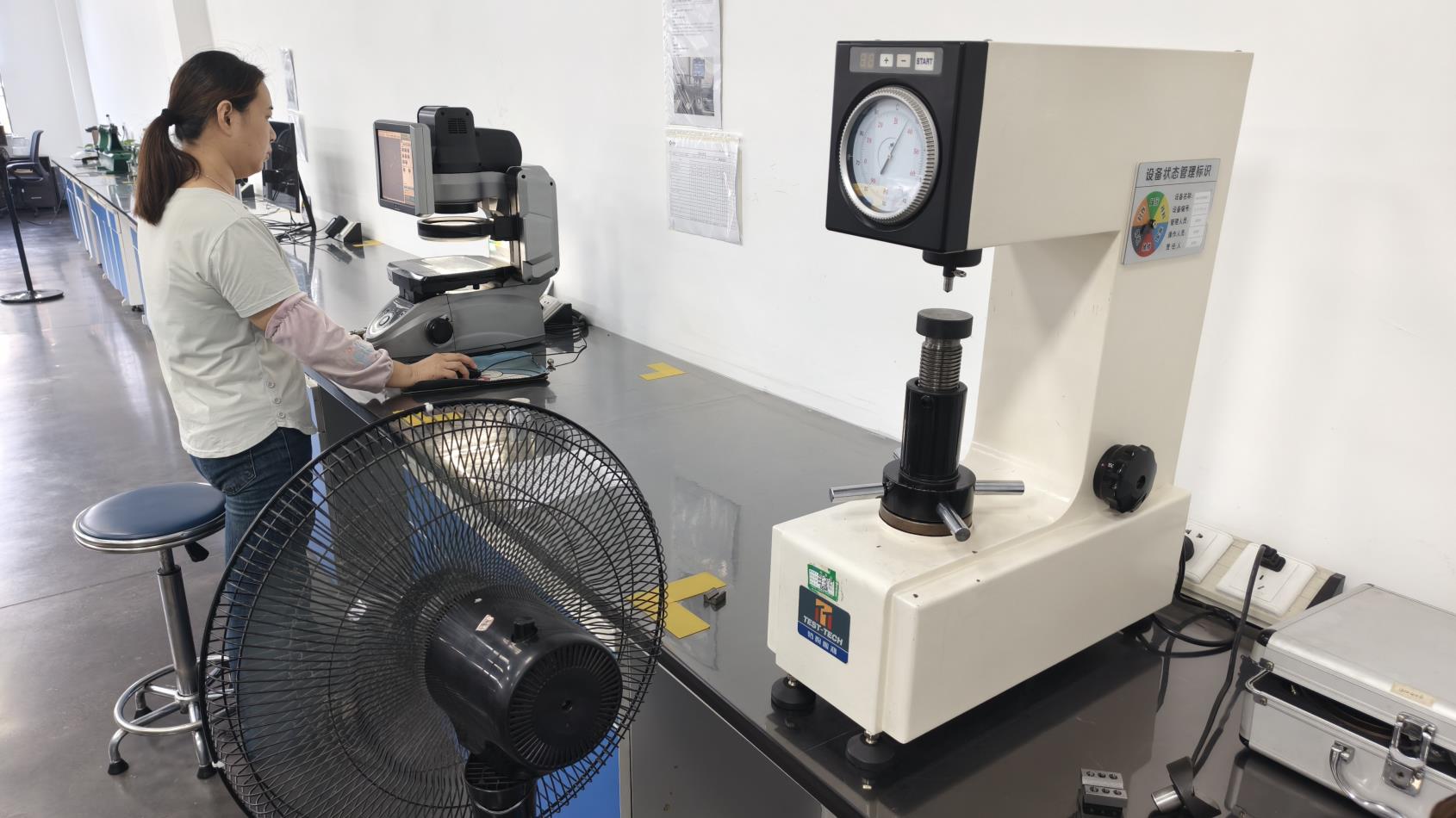
Visualizing the manufacturing precision and material preparation inside our Chinese production plants.
Looking toward future advancements, our R&D department is focused on next-generation osteosynthesis devices. Key innovations currently in validation and trial phases include:
By integrating these technological advancements into our manufacturing infrastructure, we ensure that clinical buyers receive implants designed for the future of orthopedics.
Providing technical, metallurgical, and commercial answers for orthopedic surgeons and procurement officers.
Thermal necrosis occurs when friction during insertion elevates bone temperature above 47°C for over a minute. Our K-wires feature precision-ground cutting edges and optimized tip geometry to reduce insertion torque, which limits heat generation during drilling.
Electropolishing reduces surface roughness at a microscopic level. A smoother finish minimizes bacterial adhesion and tissue growth onto the wire, allowing clean, uncomplicated removal after bone healing is complete.
Every batch of raw medical-grade stainless steel or titanium alloy is documented with Mill Test Certificates (MTC). We assign tracking numbers to each production run to link finished products directly back to the original raw material melt.
Yes. We offer customization options based on your engineering drawings or samples. This includes double-ended trocar configurations, partially threaded shafts, or specific eyelet points for traction applications.
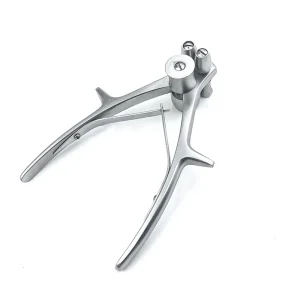
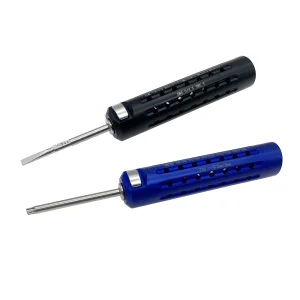
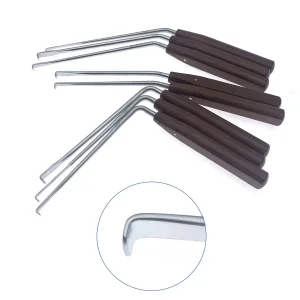
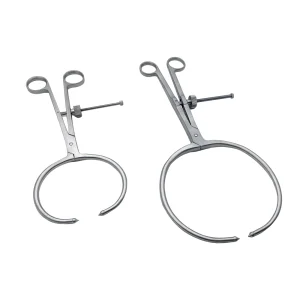
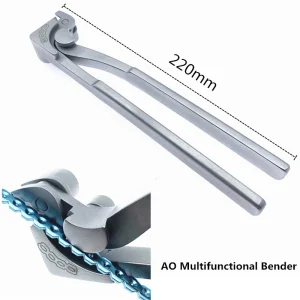
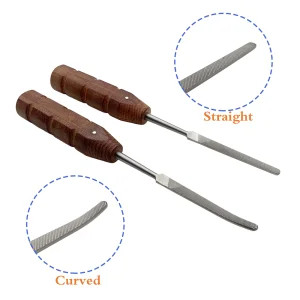
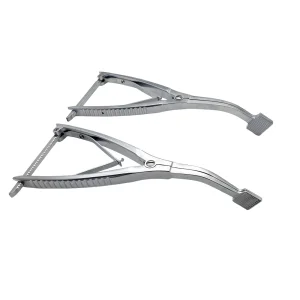
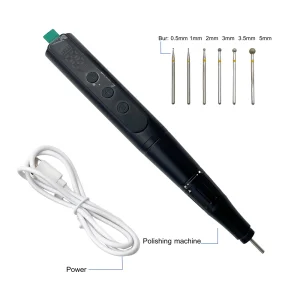
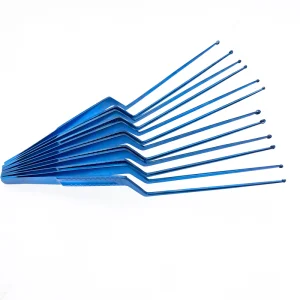
Complementary surgical instruments, fixation pliers, and orthopedic tools designed for veterinary and human bone surgeries.
 Carna Medicial Technology