Explore our highly precise, clinical-grade medical instruments designed for specialist surgical departments including ophthalmology, orthopedics, and neurosurgery.
How evolving surgical techniques, material science breakthroughs, and manufacturing intelligence are transforming surgical instrument manufacturing globally.
The industry transition from traditional stainless steel to highly durable, lightweight Titanium alloys (such as TC4 / Ti-6Al-4V) has revolutionized microsurgical and ophthalmic instruments. Titanium offers superb corrosion resistance under harsh autoclaving environments and reduces hand fatigue for surgeons.
With the expansion of minimally invasive surgery (MIS), the requirement for sub-millimeter surgical jaws, micro tumor forceps, and ultra-fine dissecting instruments has grown exponentially. Advanced laser cutting and CNC micro-milling guarantee the structural integrity of these micro-components.
Hospital systems globally demand absolute traceability. Surgical instruments are now integrated with laser-etched UDI (Unique Device Identification) matrices and RFID capability, allowing hospitals to optimize sterilization cycles, check surgical kit completeness, and reduce perioperative loss.
Expert Insight: According to modern clinical statistics, using surgical instruments configured with anti-glare, passivated matte finishes significantly reduces glare under high-lux operating room lighting, resulting in a 14% improvement in surgical precision during prolonged neurosurgical procedures.
Strategic supply chain options, cost controls, compliance standards, and customization capabilities expected by international hospitals, wholesalers, and medical brands.
Procuring critical medical devices requires striking a delicate balance between budget restrictions, dynamic regulatory frameworks, and device reliability. Traditional supply chains often struggle with long lead times, variable metal alloys, and inadequate after-sales support.
Modern manufacturing corridors in China, specifically tailored for medical device production, have evolved to meet Western clinical specifications through robust tooling investments, local engineering depth, and scalable operations.
Our operational footprint extends beyond merely selling products; we provide robust ODM/OEM platforms and clinical department packages.
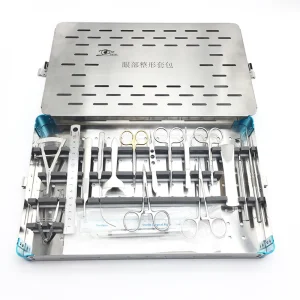
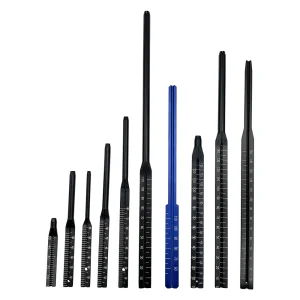
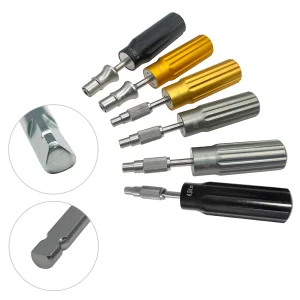
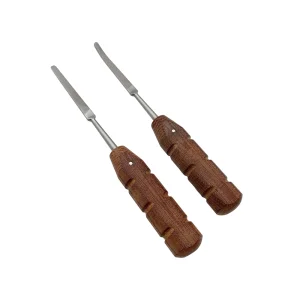
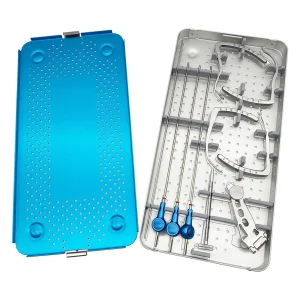
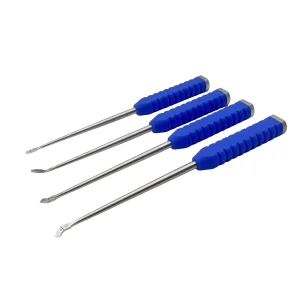
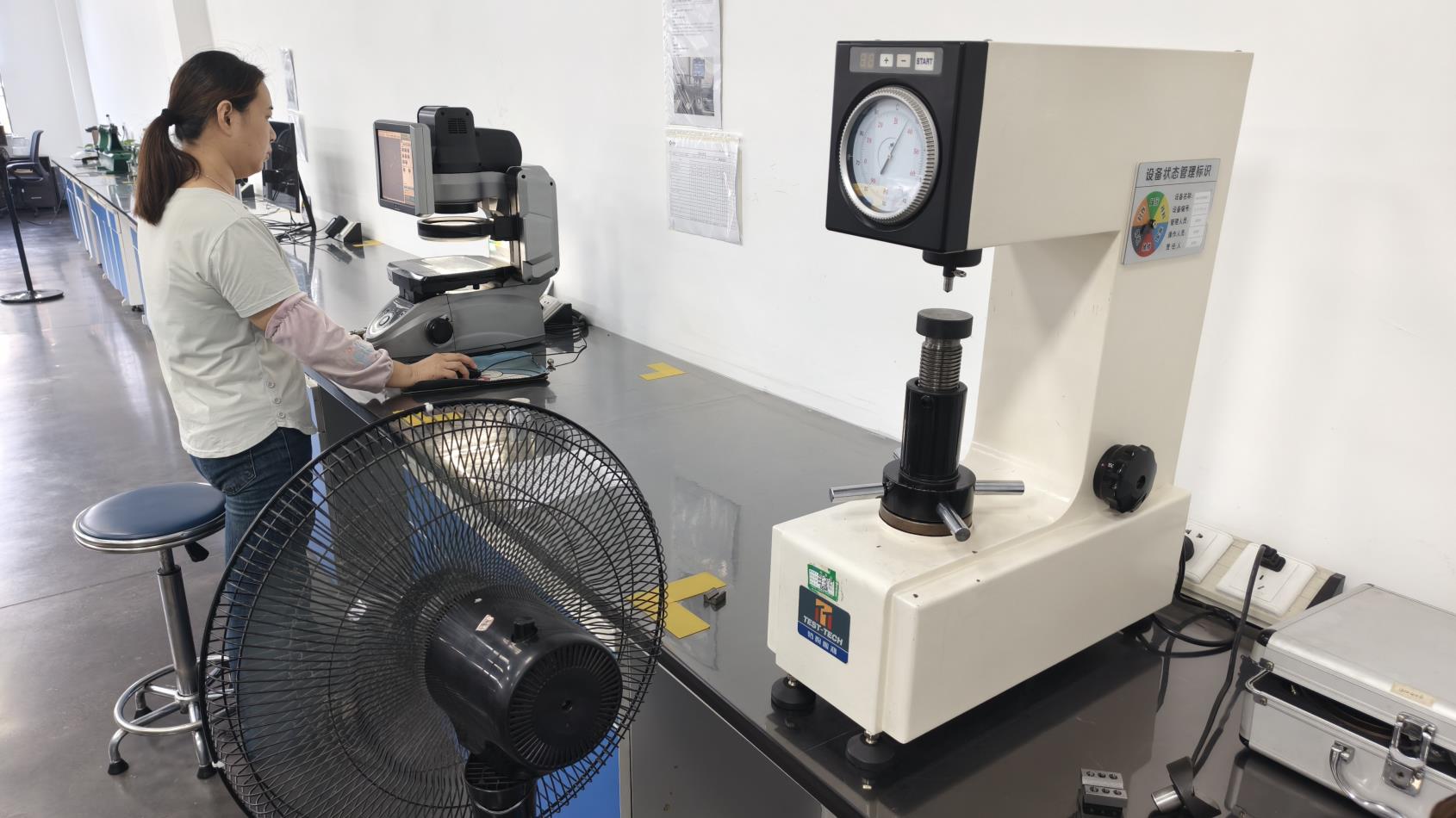
Covering crucial bone chisels, intramedullary nail depth gauges, wire guides, and torque limiting screwdrivers. Our instruments use custom heat-treatment techniques to achieve up to 52-54 HRC (Rockwell Hardness), ensuring clean osteotomy cuts and long-lasting mechanical interfaces.
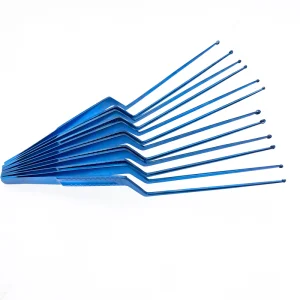
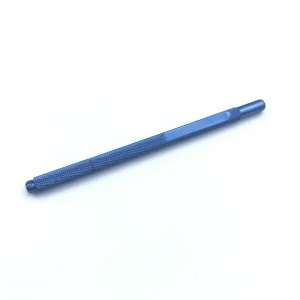
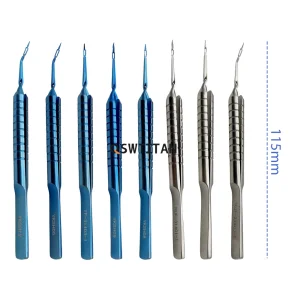
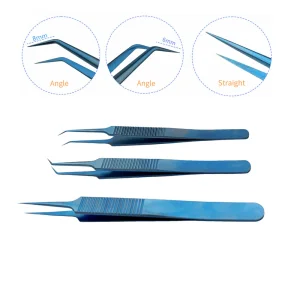
Designed for complex microsurgical and ophthalmic surgeries where hand fatigue and tip alignments are critical. Features include titanium blade handles and Akahoshi phaco prechoppers, machined to tolerance limits of +/-0.01mm for maximum control under microscopes.
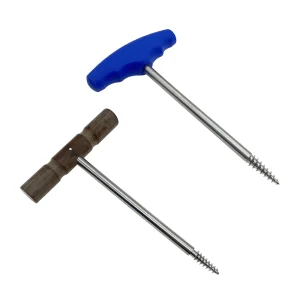
Expanding beyond human hospitals to address high-growth animal surgery centers. We offer rugged orthopedic wire passers, bone rasps, and dedicated retractor models developed specifically to handle the varying anatomical demands of companion and farm animals.
How our manufacturing verification loop guarantees that every item shipped meets international bio-compatibility and performance requirements.
| Inspection Phase | Technical Process / standard | Target Output / Outcome |
|---|---|---|
| Raw Material Intake | ICP-OES Chemical analysis and spectrometer confirmation of metal grades (SUS420J2, Ti-6Al-4V) | 100% Traceability of alloy heat numbers; avoidance of surface corrosion during sterilization cycles. |
| In-Process Control | Precision inspection by 3 QA/QC inspectors during micro-milling, hand polishing, and passivation | Strict alignment of tips, elimination of micro-burrs, and maintenance of precise jaw opening tolerances. |
| Final Quality Check | Random inspection per AQL 1.5, combined with custom inspection methods tailored to specific client needs | Verification of structural integrity, passivation film testing, and functional cutting/clamping evaluations. |
| Functional Verification | Boil-tests to test corrosion resistance and custom cycle-fatigue analysis | Zero rust spots under standard autoclaving conditions (134°C, 2.1 bar) for continuous long-term operations. |
Our flexible manufacturing supports diverse purchasing programs: sample processing, graphic design processing, and customized on-demand tooling setups. Whether you need minor laser marking adaptations or fully custom, proprietary instrument geometries, our engineers handle everything from drawing to final production.
With key export destinations in North America (25%), South America (25%), and Southeast Asia (15%), we understand international logistics, custom clearances, and packaging regulations required by various client types (brand businesses, retailers, wholesalers, and private medical clinics).
Where medical manufacturing and surgical accessory design are headed over the next five years.
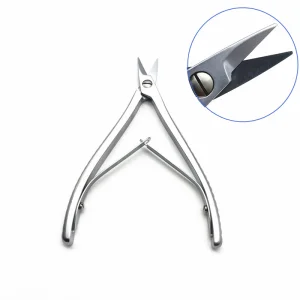
Transitioning towards advanced Diamond-Like Carbon (DLC) and titanium nitride coatings to reduce friction coefficients, improve edge retention on bone chisels and scissors, and eliminate reflections in the OR.
Developing micro-mechanical end-effectors compatible with robotic surgical systems, featuring refined mechanical joints that interface seamlessly with automation components.
Creating instruments optimized for low-temperature hydrogen peroxide gas plasma sterilization, reducing power usage and extending instrument lifespans relative to traditional high-heat steam autoclaving.
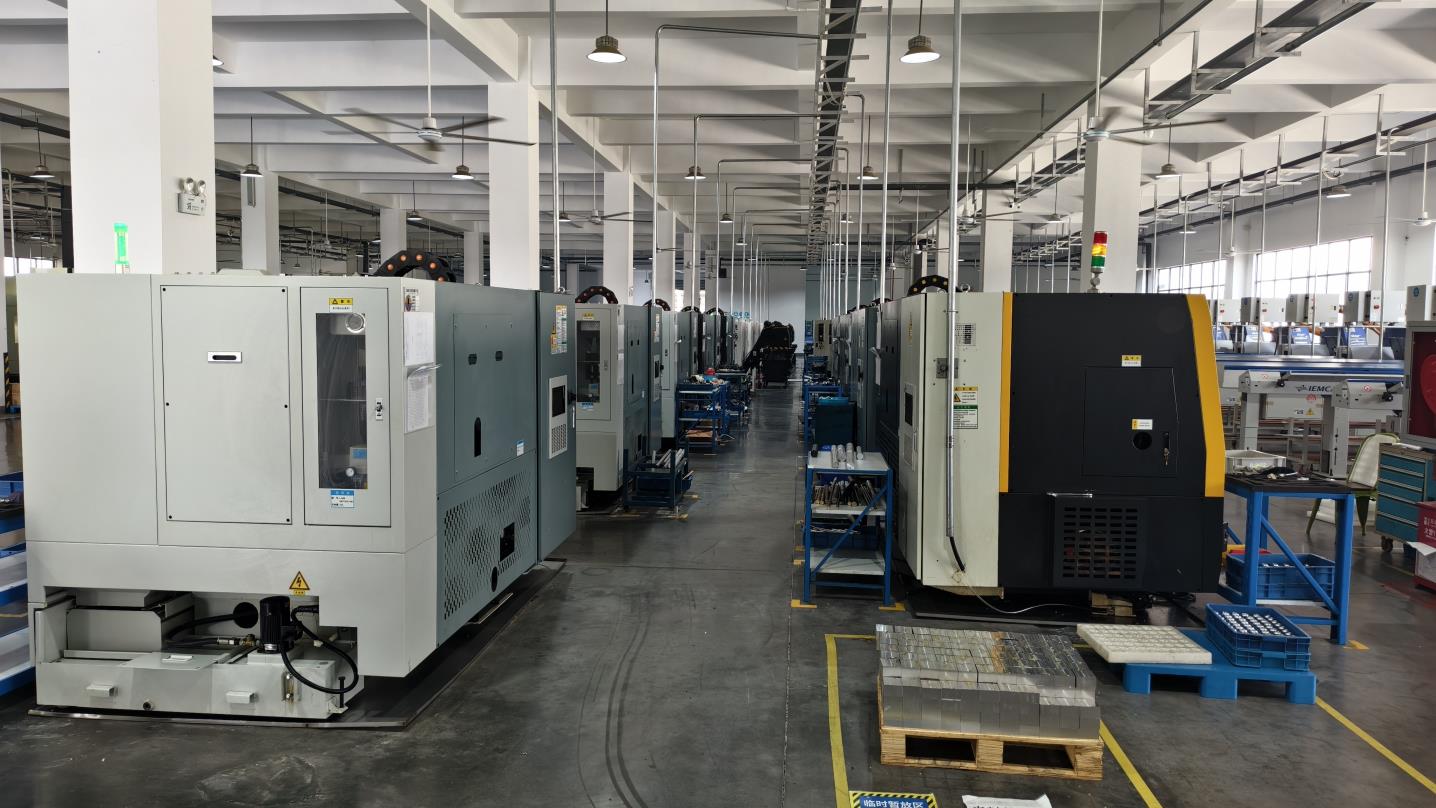
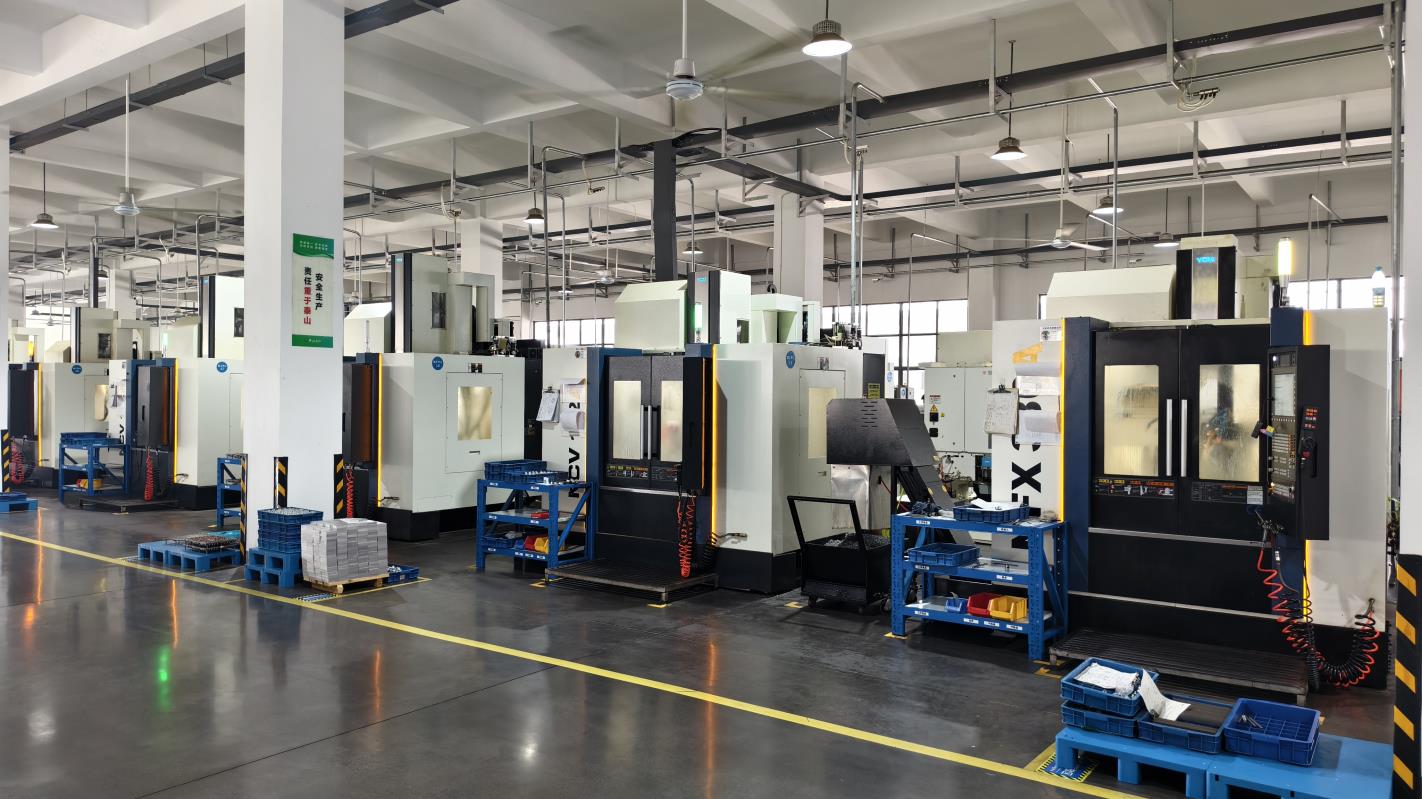
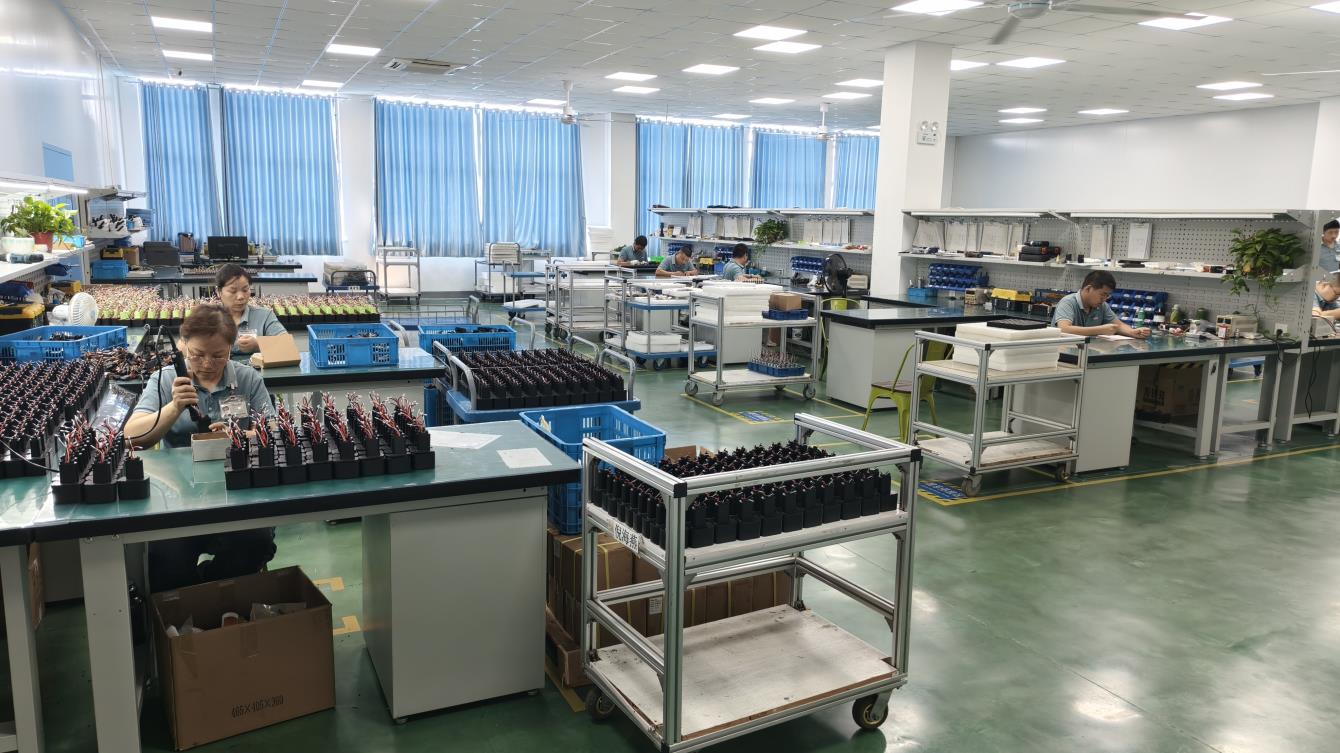
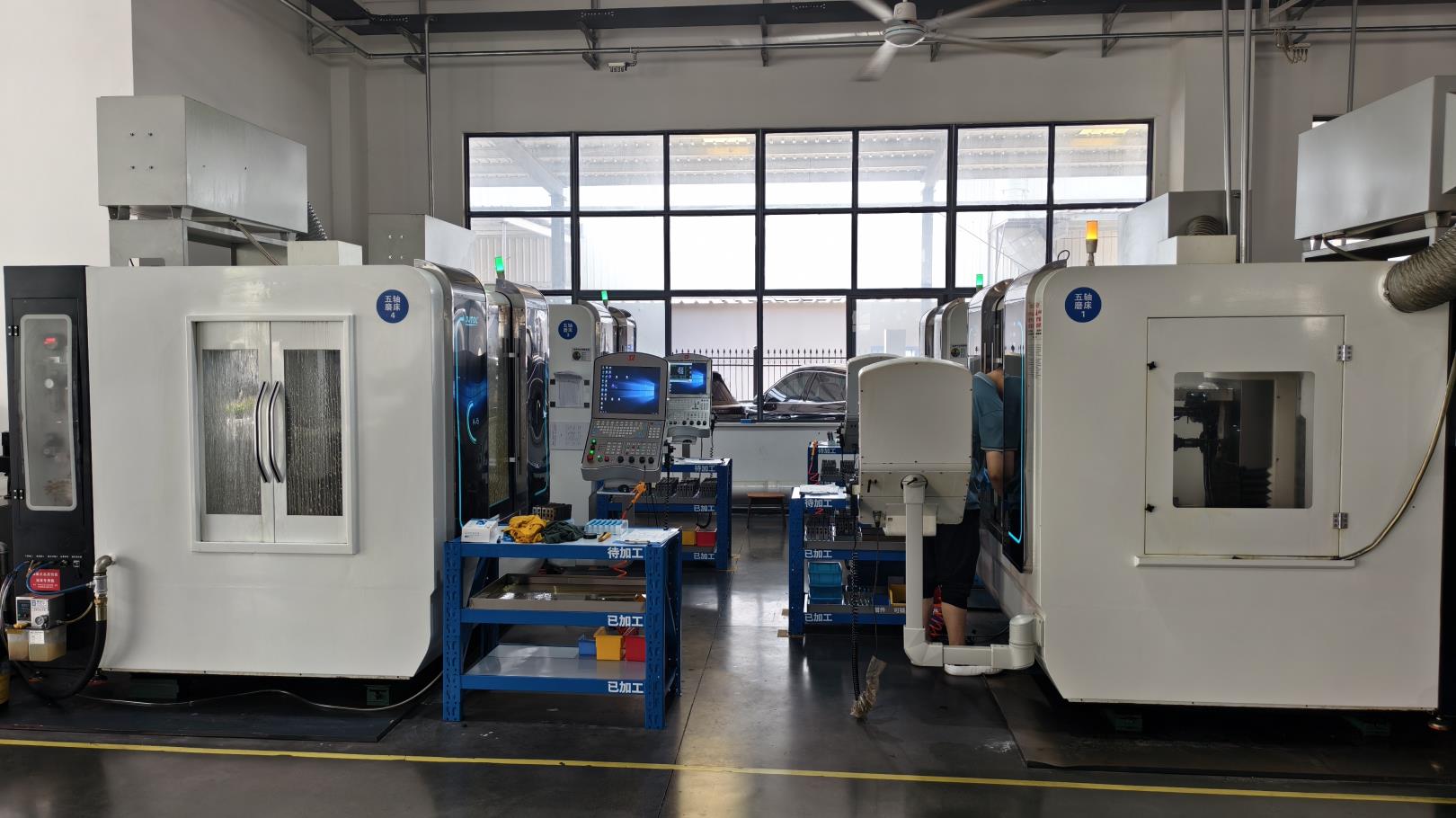
A transparent look at our machining shops, clean assembly areas, and quality verification zones, confirming our manufacturing capability.
Crucial technical, transactional, and quality-related answers for professional global medical procurement managers.
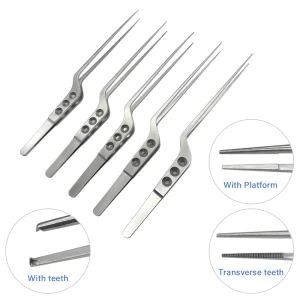
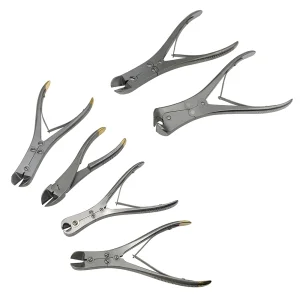
Our secondary lineup focuses on advanced orthopedics, specialized bone preparation instrumentation, and high-precision micro-tweezers.
 Carna Medicial Technology