Engineering surgical precision through high-grade stainless steel and titanium medical tools optimized for minimal tissue trauma and surgical durability.
Navigating the paradigms of minimally invasive surgery, biocompatible metallurgy, and supply chain consolidation.
The global transition toward MIS has accelerated demand for micro-instrumentation with ultra-high mechanical endurance. Manufacturers must achieve micro-tolerances (<0.01mm) to facilitate precise tissue manipulation through minimal incisions.
Surgical tools demand strict chemical resistance to withstand hundreds of high-pressure autoclave cycles. We utilize medical-grade 316L, 420J2 stainless steel, and Grade 5 Titanium (Ti-6Al-4V) with passive chromic oxide surface sealing.
As healthcare systems manage cost-efficiencies without compromising safety, direct-from-factory contract manufacturing in China provides crucial margin stability for global brands and medical wholesalers.
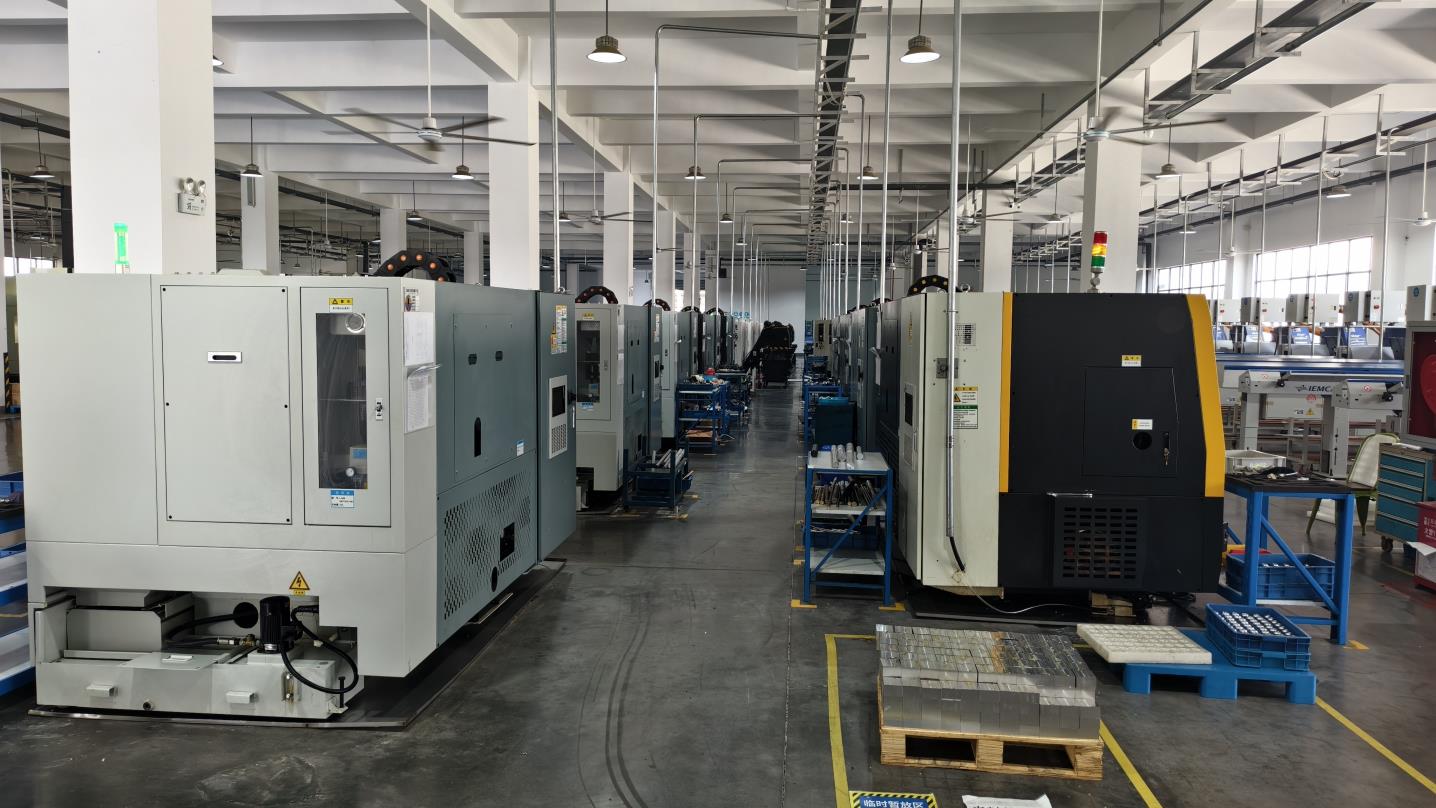
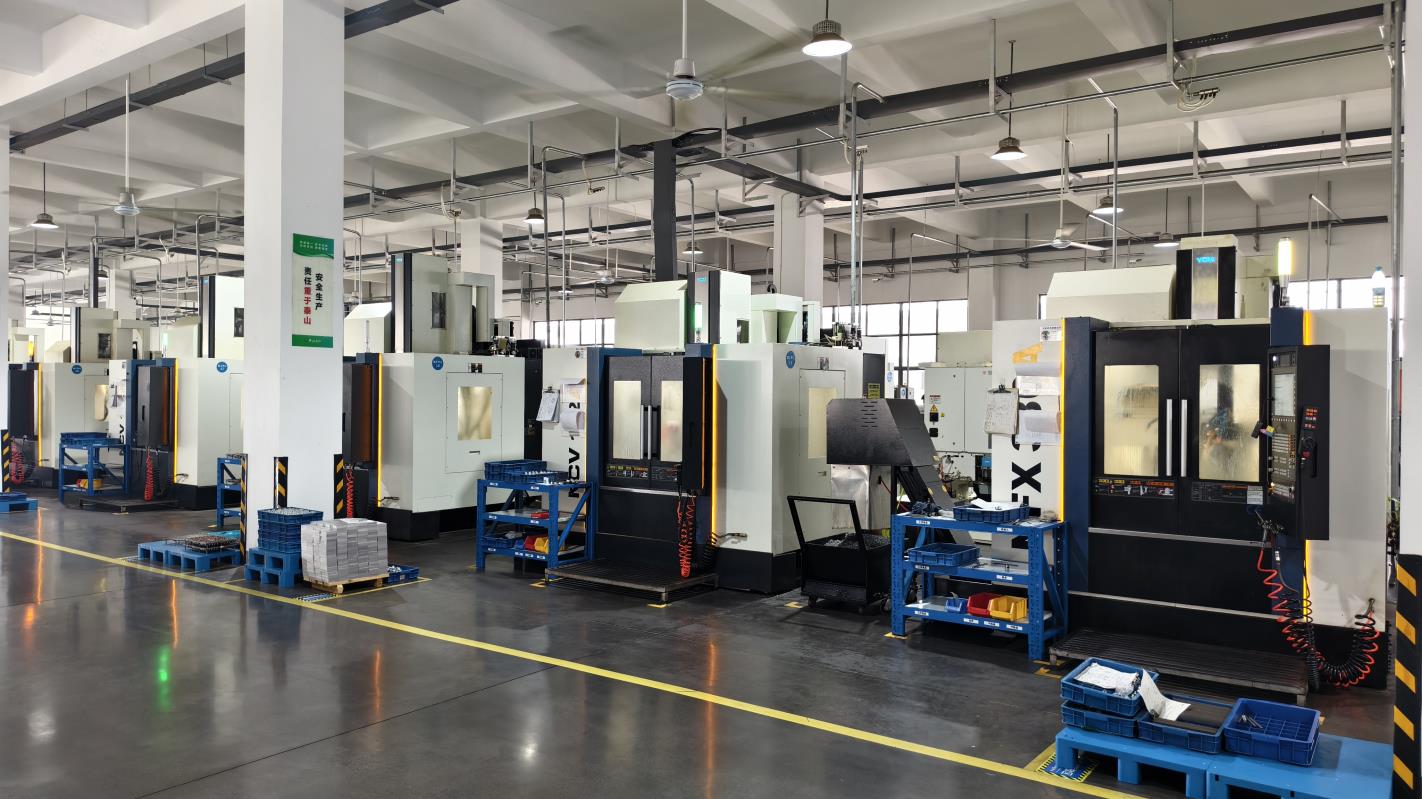
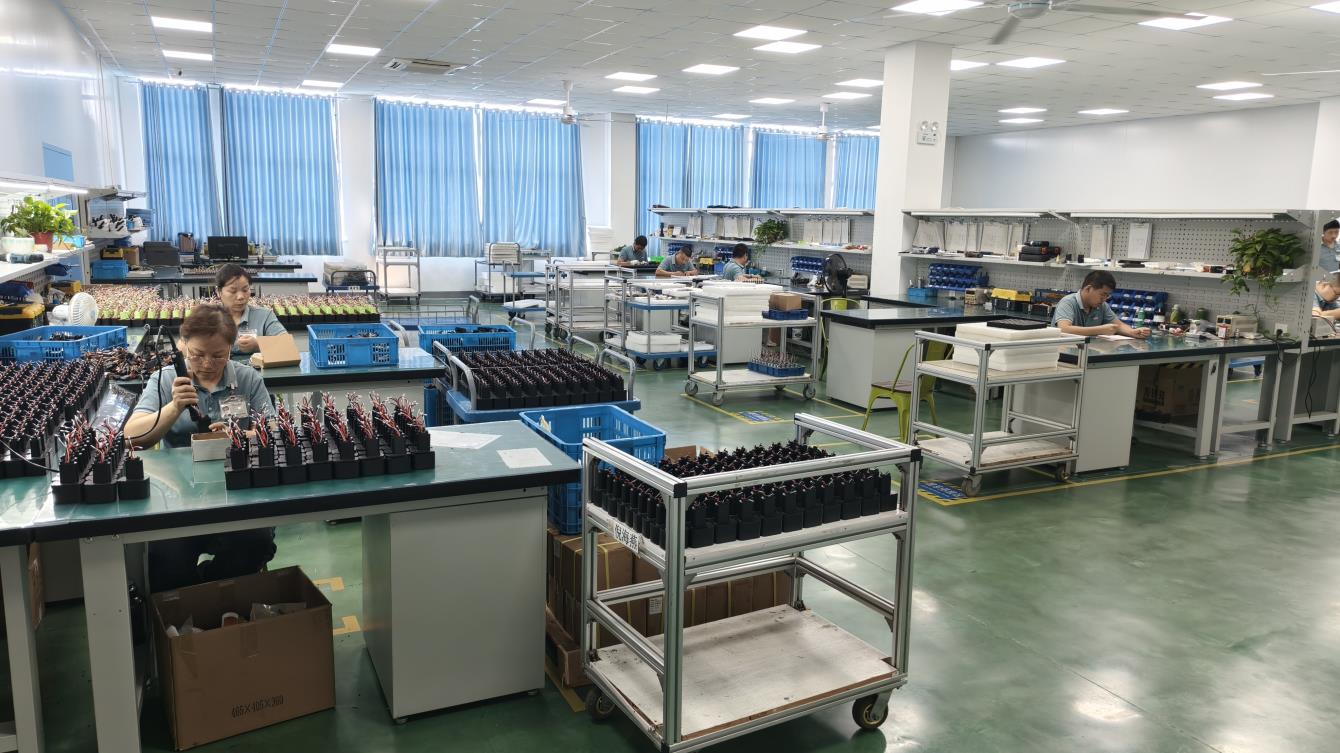
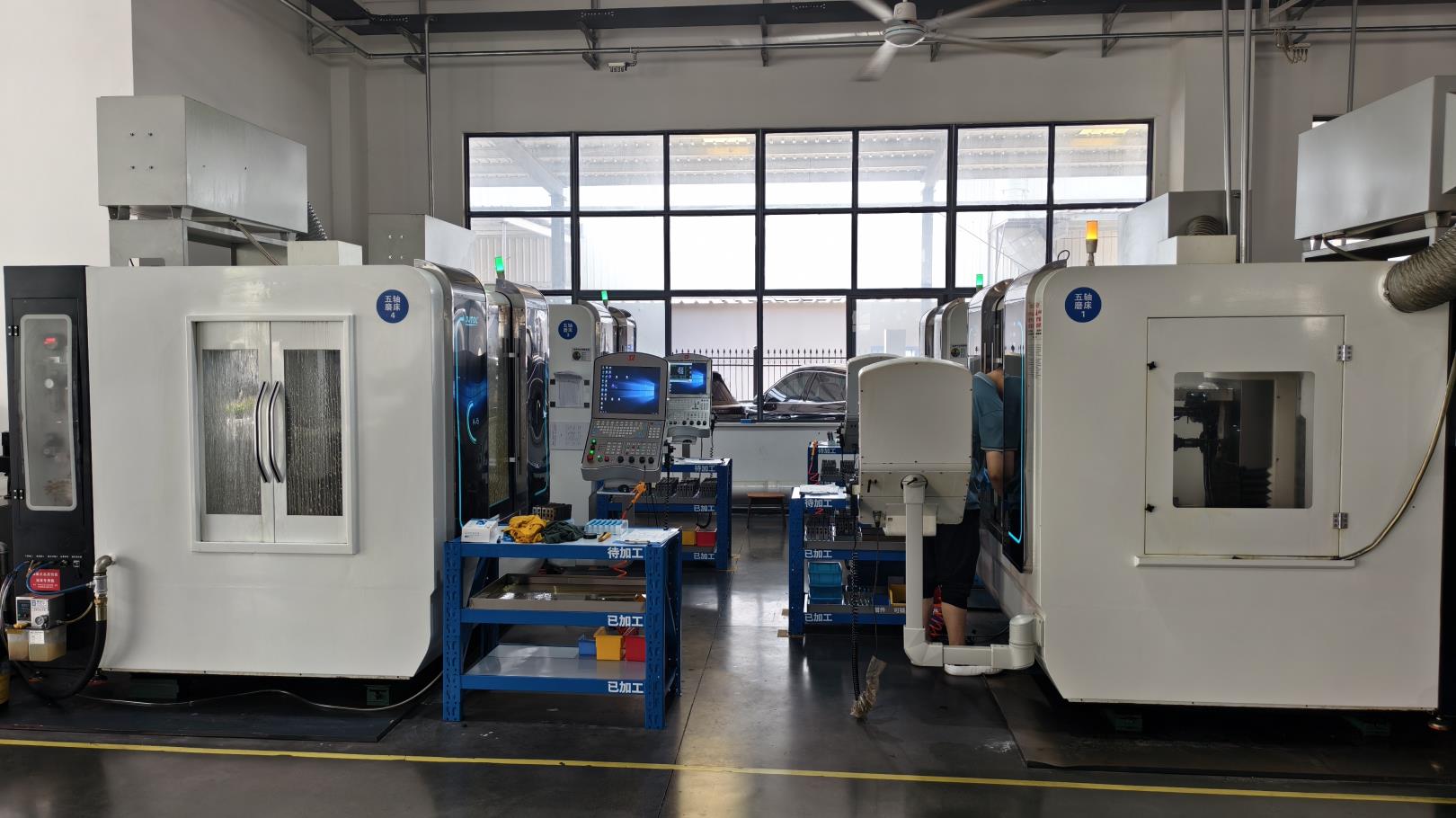
Established in November 2019, our specialized production lines integrate high-precision CNC multi-axis milling, optical comparator inspection, and cleanroom packaging to maintain absolute consistency across batch runs.
With 6 years of international exporting experience, our products serve clinical networks and medical distributors across North America (25%), South America (25%), and Southeast Asia (15%). We strictly enforce a 3-stage QA inspection model covering incoming metallurgical analysis, dimensional tolerance verification, and functional load-bearing stress tests.
From complex human spine procedures to specialized veterinary orthopedic repairs.
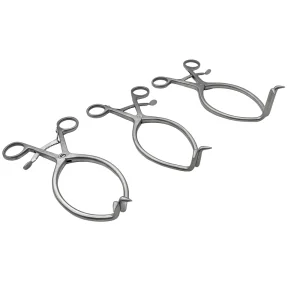
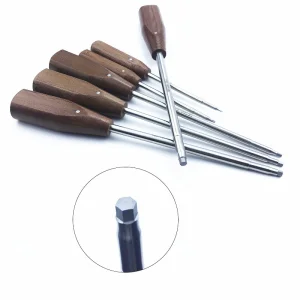
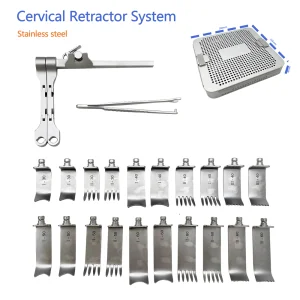
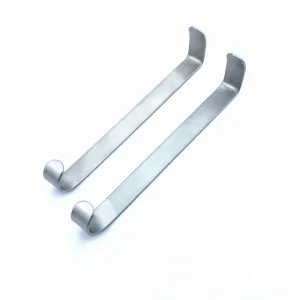
Surgical visibility is paramount in cervical and lumbar procedures. Retraction systems, such as our self-retaining retractors and Farabeuf sets, feature engineered locking mechanisms and non-glare matte finishes to maintain tissue dilation without slipping or causing focal ischemia.
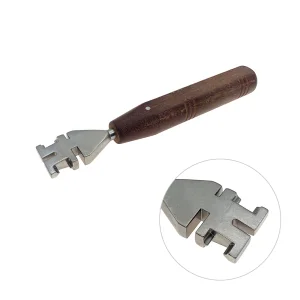
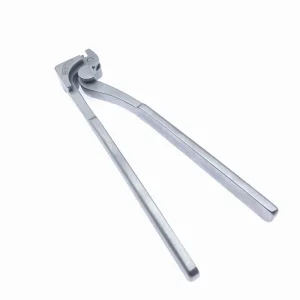
Fracture fixation mandates perfect anatomical contouring of bone plates. Our AO-type benders and reconstruction pliers allow surgeons to shape stainless steel plates without creating stress concentration points that jeopardize structural integrity post-implantation.
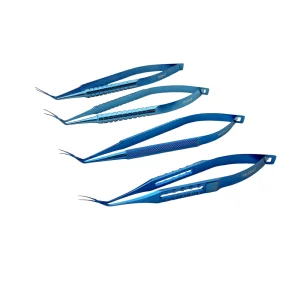
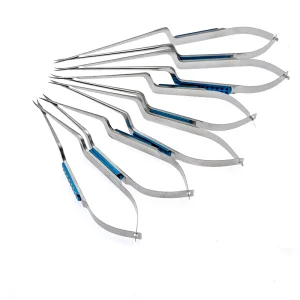
Working under microscope magnification requires lightweight titanium tools with tactile force response. Inamura capsulorhexis forceps and micro-neurosurgical scissors ensure ultra-fine control during capsulotomy or delicate dural tissue dissection.
Pioneering smart surgical tools, hybrid bio-alloys, and automated manufacturing precision.
Deployment of Diamond-Like Carbon (DLC) and Titanium Nitride (TiN) physical vapor deposition (PVD) coatings to reduce friction coefficient and extend cutting edge lifespan by 300%.
Standardizing instrument quick-connect interfaces for compatibility with automated and robotic-assisted laparoscopic/orthopedic surgical suites worldwide.
Integrating micro-MEMS piezoelectric sensors into retractor handles to give real-time intraoperative feedback on tissue tension, avoiding nerve damage.
Achieving 100% renewable energy utilization across forging, machining, and chemical passivation processes with closed-loop water recycling.
Expanding therapeutic device adoption requires rigid adherence to country-specific medical device regulatory frameworks. We streamline cross-border procurement for brands and hospital chains.
Technical files, material safety data sheets (MSDS), and biocompatibility reports prepared according to ISO 10993 standards.
Fiber laser etching for custom brand logos, unique device identification (UDI) barcodes, and part numbering directly onto instruments.
DDP, FOB, and CIF delivery terms with direct customs clearance documentation handled for North American and European importers.
Key information for medical device distributors, brand owners, and hospital purchasing directors.
We utilize high-grade surgical stainless steels (such as AISI 420J2, 316L, and 17-4 PH martensitic alloys) for rigid, force-bearing instruments like bone benders, rongeurs, and retractors. Micro-surgical tools (such as ophthalmic capsulorhexis forceps) use Grade 5 Titanium (Ti-6Al-4V) for enhanced lightness, non-magnetic properties, and superior flexural resilience.
Every batch of raw stainless steel or titanium comes with a certified mill test certificate (MTC). We enforce a 3-tier inspection protocol: incoming chemical spectro-analysis, optical coordinate dimensional testing during CNC production, and 100% final manual inspection by our QA team before sterilization packaging.
Yes. We specialize in custom demand processing, sample processing, and graphic customization. Our engineering team can translate your 2D/3D CAD models, STEP files, or physical prototypes into mass-production tooling within 15 to 30 business days.
All our reusable surgical and orthopedic tools are specifically heat-treated and passivated to endure repeated steam autoclave sterilization protocols at 134°C (273°F) and 2.1 bar pressure without undergoing corrosion, pitting, or joint degradation.
With over 6 years of exporting expertise, our primary export destinations include North America (25%), South America (25%), and Southeast Asia (15%). We accommodate OEM brand businesses, regional healthcare distributors, and specialized veterinary clinic suppliers with flexible shipping terms (FOB, DDP, Express Air Cargo).
We offer flexible MOQ structures tailored to product complexity. Standard stock instruments modified with custom laser etching have MOQs as low as 10 to 50 pieces, while fully custom-forged surgical instruments are evaluated based on tooling requirements.
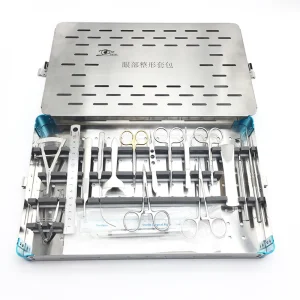
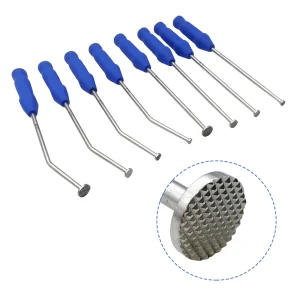
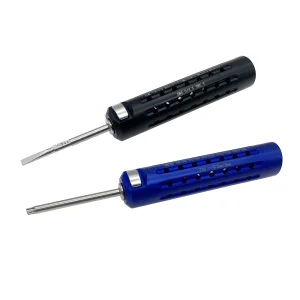
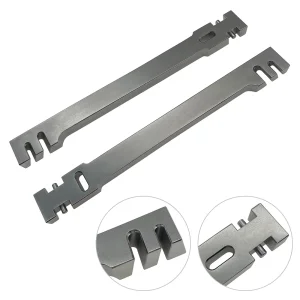
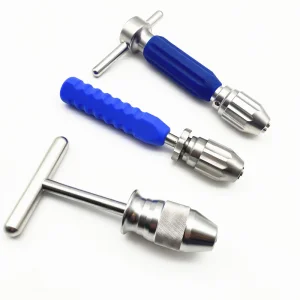
Discover our specialized product lines engineered for arthroscopy, spinal reconstruction, and microsurgical procedures.
 Carna Medicial Technology