High-durability, autoclavable micro-surgical supplies engineered to meet rigorous clinical protocols worldwide.
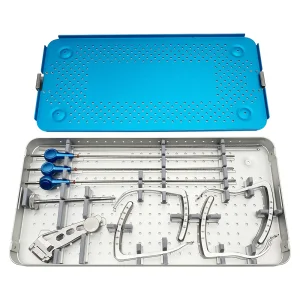
Unlocking efficiency, standardizing compliance, and mitigating critical risks in global hospital and distribution networks.
In the modern clinical landscape, the efficacy of orthopedic, ophthalmic, and neurological interventions relies heavily on instrument design reliability. The global transition toward minimally invasive surgery (MIS) has accelerated demand for micro-scale instruments with extreme mechanical tolerances. As an established OEM manufacturer and global exporter, we bridge the gap between design theory and clinical deployment. Our operations integrate vertical manufacturing structures, advanced metallurgy, and strict adherence to international regulatory frameworks, delivering critical solutions directly to healthcare systems and distributors.
We source medical-grade titanium (Grade 5 ELI) and high-density, rust-resistant surgical stainless steels. Every batch undergoes spectroscopy testing to confirm compliance with ISO 5832 and ASTM F136 requirements, preventing in-vivo material failure or cytotoxic reactions.
Our instruments are designed to withstand repetitive, high-temperature steam sterilization (typical autoclave cycles at 134°C). We apply advanced passivation techniques to establish thick chromium oxide protective layers, neutralizing chemical erosion.
Whether you require physical prototype replication or CAD modification, we support diverse engineering inputs. Our dynamic manufacturing processes handle low-volume test runs and large-scale bulk orders with equal accuracy.
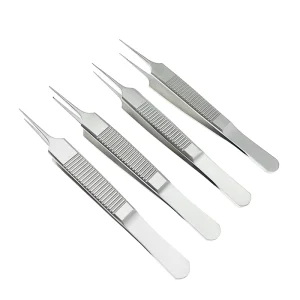
Expert Note on Information Gain: Modern clinical registries emphasize that micro-forceps tip deformation by less than 0.05mm can compromise surgical grasp stability in delicate procedures. Our CNC milling and hand-finishing processes ensure precise dimensional stability for critical applications.
Transparent metrics reflecting our market footprint, experience, and stringent quality control protocols.
Verified manufacturing records, export demographics, and custom engineering capabilities.
How we maintain zero-defect standards for international distribution markets.
In medical manufacturing, quality control directly impacts clinical outcomes. Our manufacturing processes utilize rigorous testing at multiple stages to ensure all instruments perform consistently under operating room conditions.
Every shipment is backed by raw material analysis certificates. Our QA/QC team inspects incoming stock, intermediate processing stages, and final surface treatments. We use optical measurement instruments to verify exact tool profiles, maintaining consistent dimension controls across production runs.
Operating across North America, South America, and Southeast Asia, we maintain compliance documentation for different regulatory jurisdictions. This supports smooth customs clearance and import processing for distributors, hospital groups, and surgical suppliers worldwide.
High-precision instrumentation designed for specialized surgical environments.
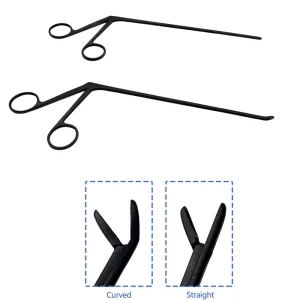
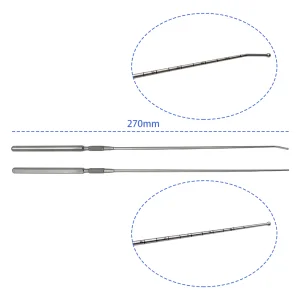
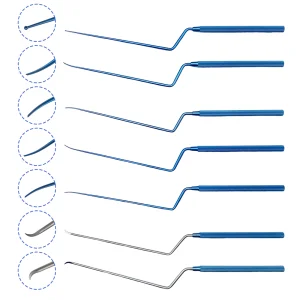
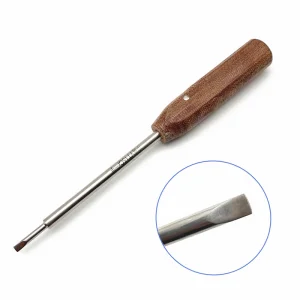
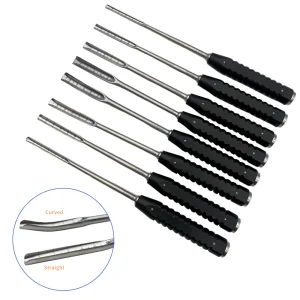
Micro-instruments like microscope pulposus forceps and fine nerve root probes are engineered to operate in tight surgical corridors, allowing surgeons to dissect tissue without compromising nearby neural pathways.
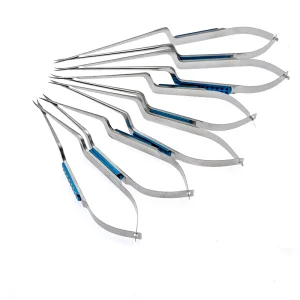
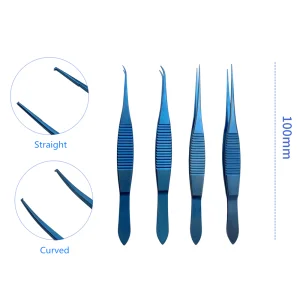
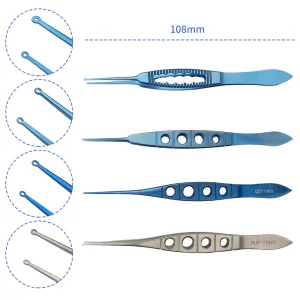
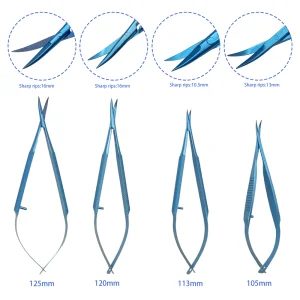
Our titanium tissue forceps and curved corneal scissors feature fine micro-tips. These lightweight, non-magnetic titanium alloys reduce hand fatigue during precise procedures under operating microscopes.
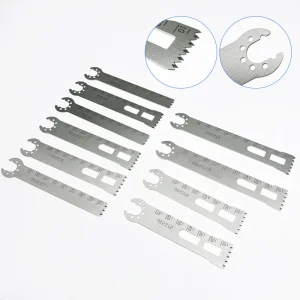
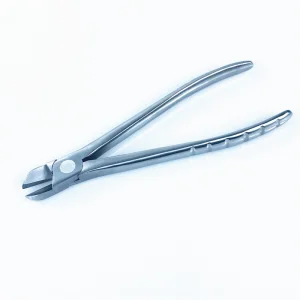
Products like ACL/PCL ligament reconstruction instrument sets and oscillating bone saw blades are designed to withstand high mechanical stresses during joint reconstruction and trauma surgery.
Our commitment to manufacturing innovation, advanced metallurgy, and modern surgical design.
Developing lightweight micro-instruments designed for robotic surgical arms, focusing on precise force feedback and tool attachment design.
Introducing biocompatible coatings like Titanium Aluminum Nitride (TiAlN) to increase surface hardness, reduce friction, and extend cutting tool lifespan.
Integrating 3D printing capabilities with CNC finishing to offer customized patient-specific surgical guides and custom instrumentation.
Inside our manufacturing facility: cleanrooms, precision CNC machining, and manual inspection stations.
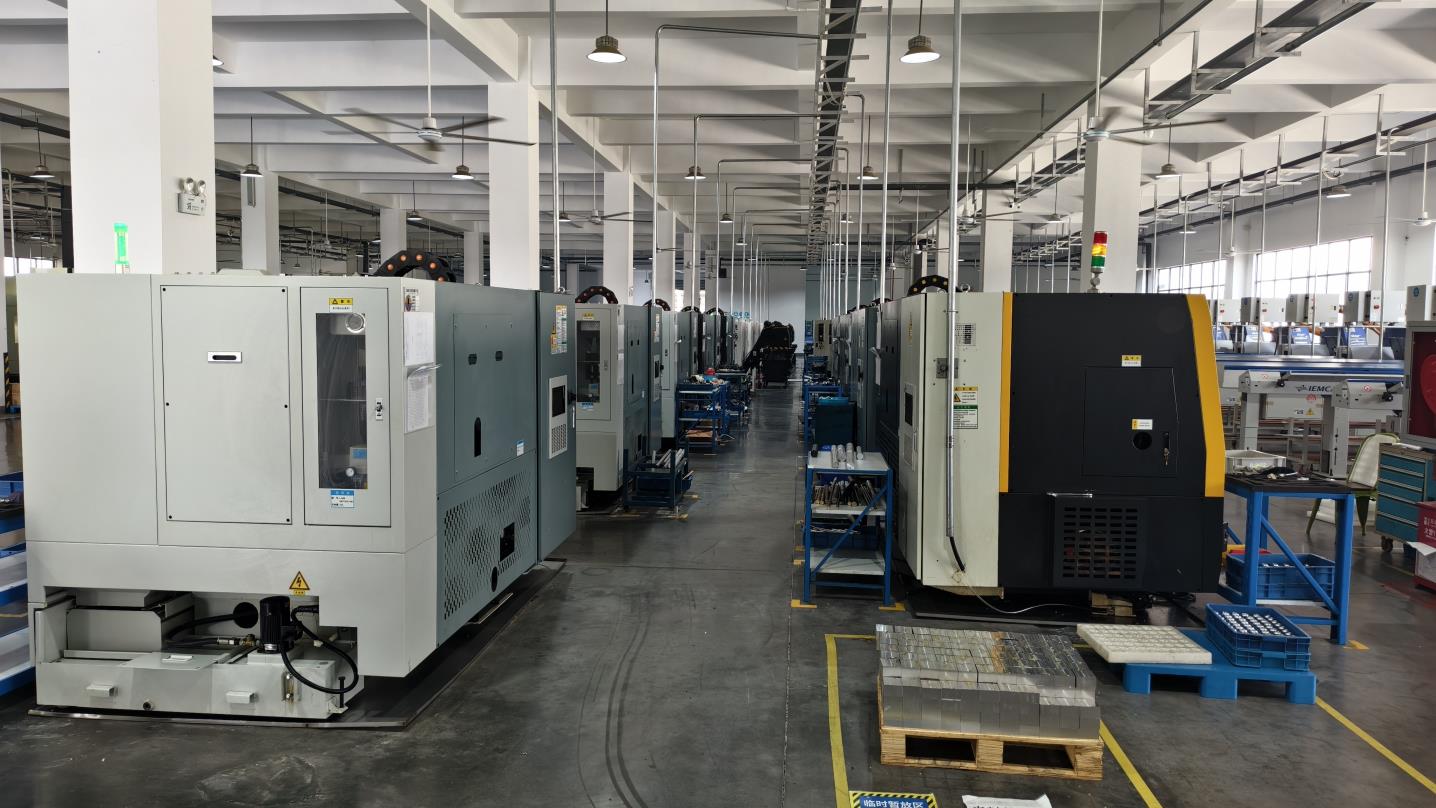
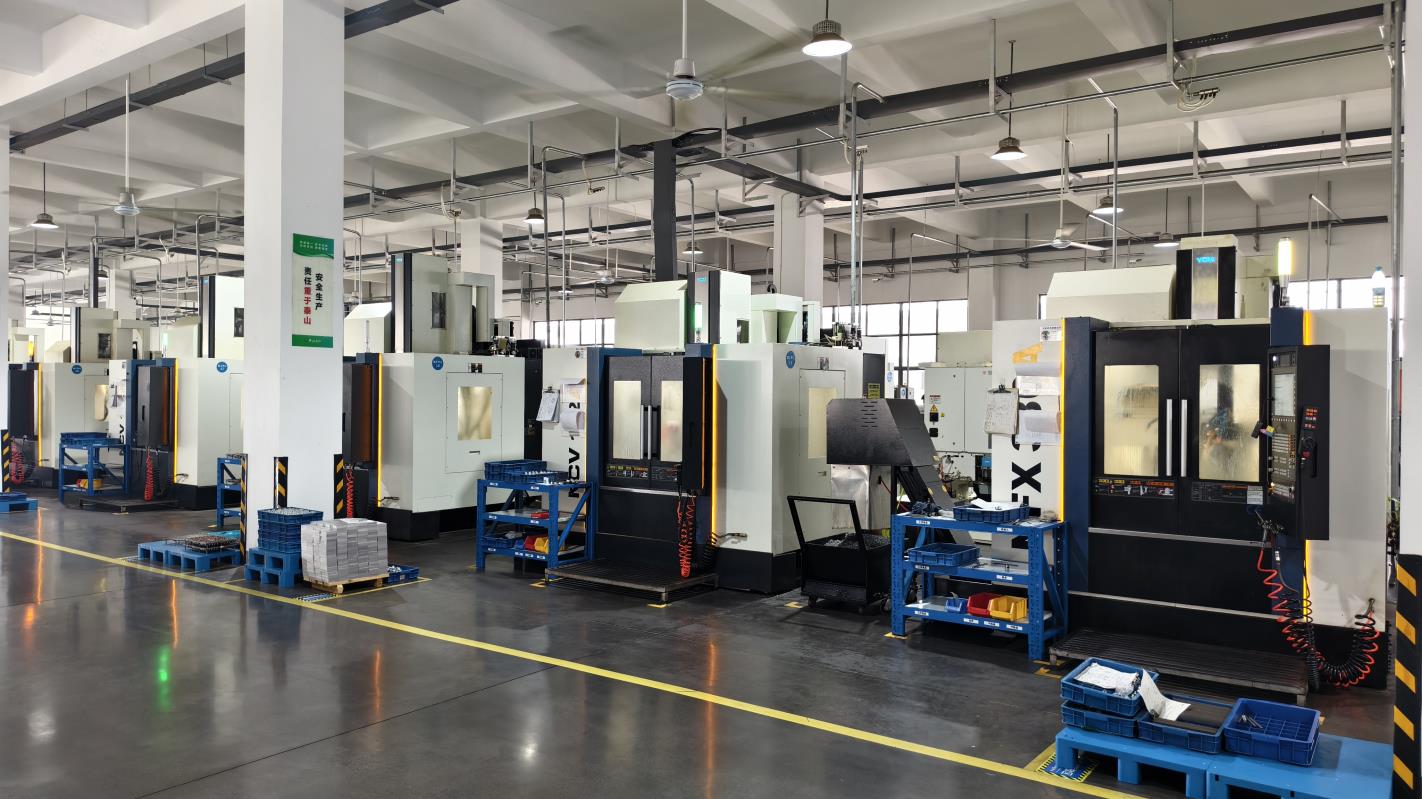
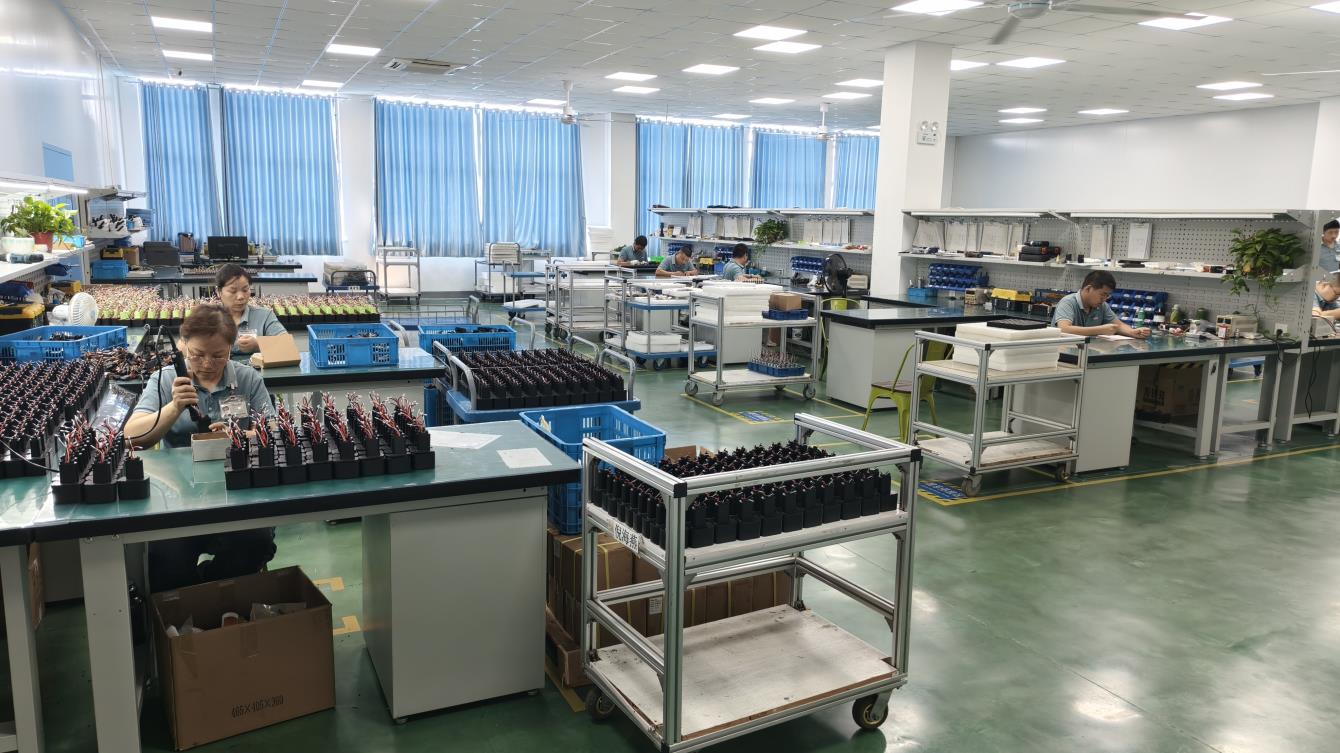
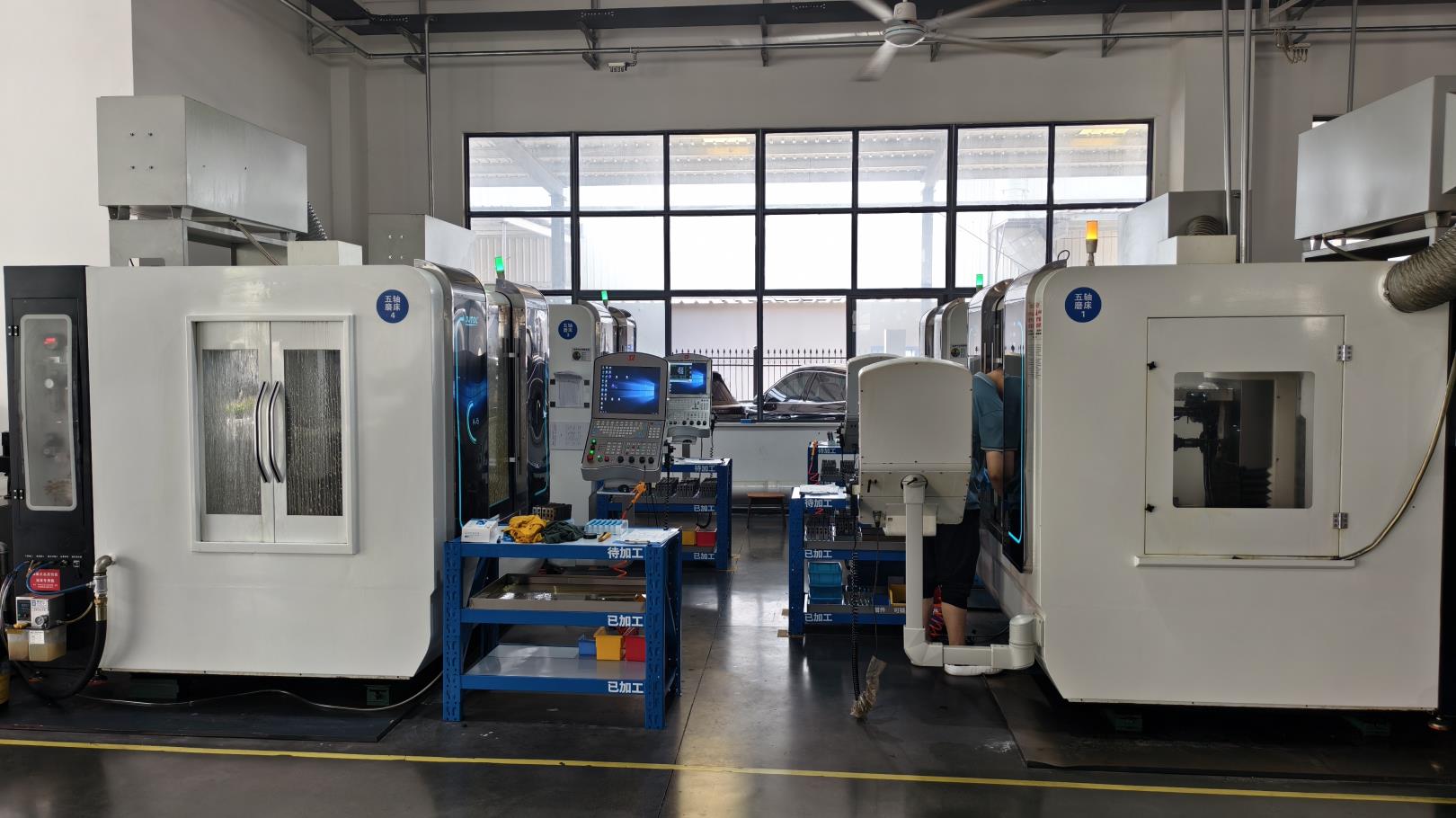
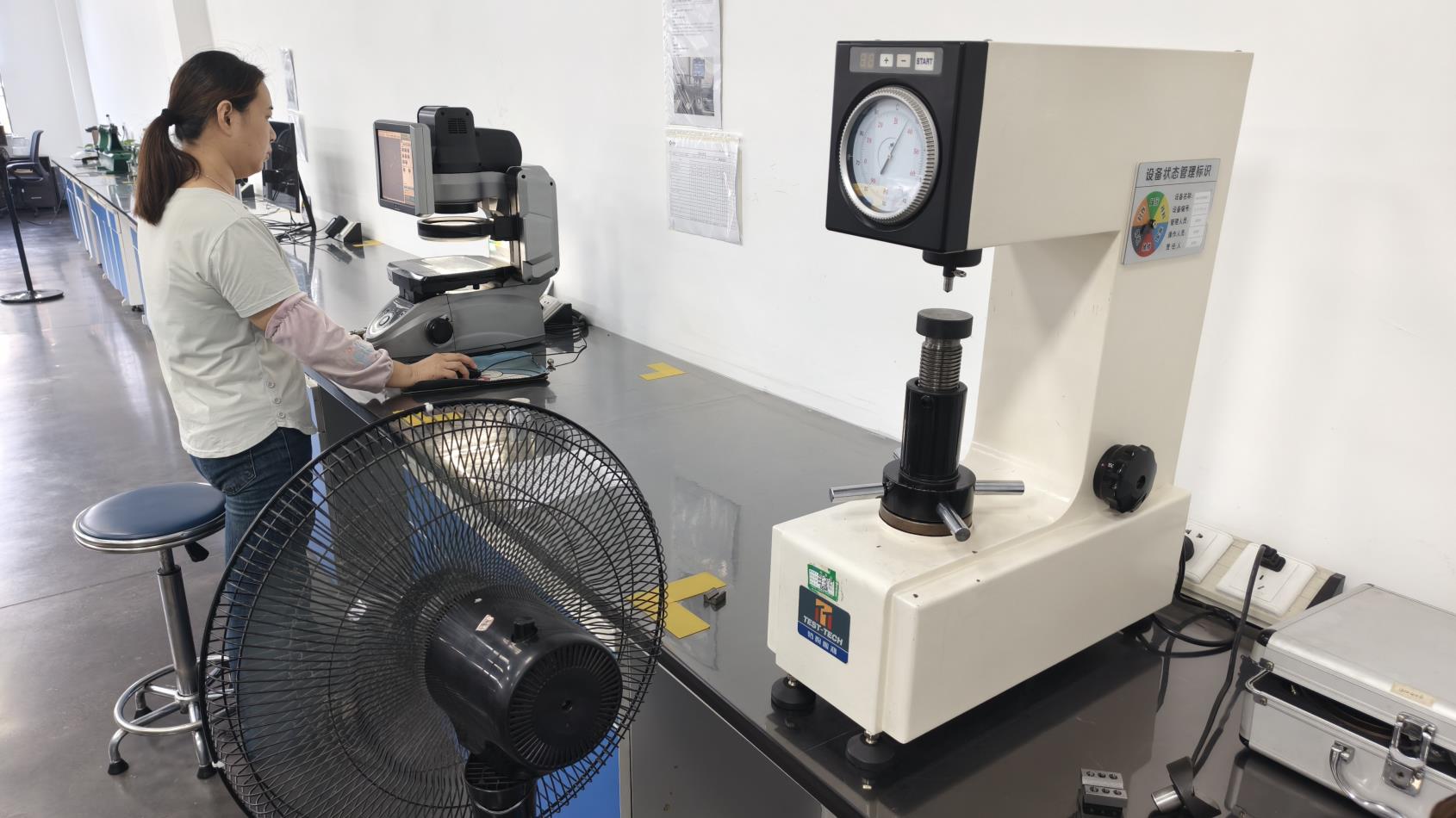
Answers to technical, regulatory, and customization questions for procurement managers.
Browse our selection of specialized tools for orthopedics, ophthalmology, and hair restoration procedures.
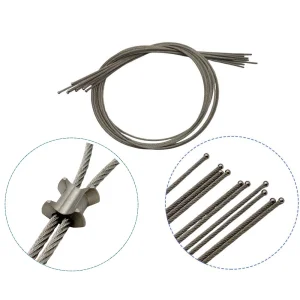
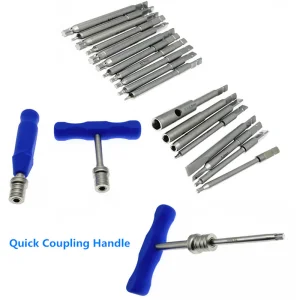
 Carna Medicial Technology