Highly tailored clinical instruments designed to support orthopedic trauma diagnostics, ophthalmic surgery, and micro-neurosurgical procedures.
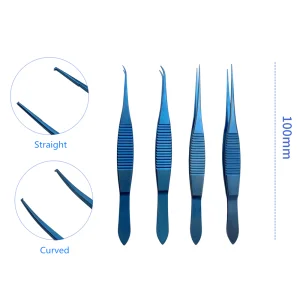
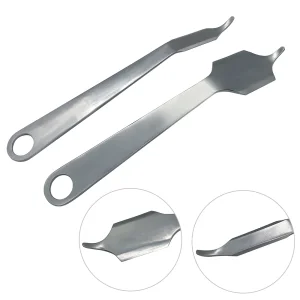
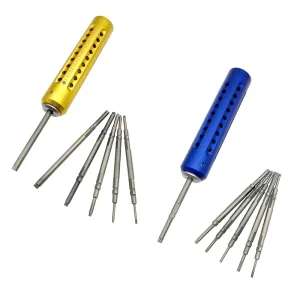
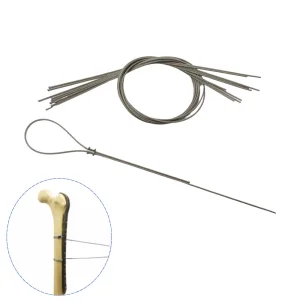
In modern surgical and diagnostic workflows, the alignment between diagnostic analysis and clinical execution is critical. Surgical guides, osteotomes, retractors, and micro-forceps function as diagnostic-coupled therapeutic devices. Establishing absolute safety and geometric compliance in these devices is the core mission of modern OEM/ODM orthopedic and ophthalmic surgical instrument engineering.
Since our establishment on November 20, 2019, we have committed ourselves to bridging the gap between high-precision clinical design and scalable industrial manufacturing. With over 6 years of exporting experience to major world markets, we provide bespoke manufacturing solutions that fulfill the stringent material, biomechanical, and regulatory requirements of hospital networks, private clinics, and veterinary healthcare systems globally.
High-precision surgery demands tools that provide high tactile feedback, non-deformative strength under load, and resistance to repeated thermal cycles of autoclave sterilization. The integration of Grade 5 Titanium (Ti-6Al-4V) and highly corrosion-resistant 316LVM Surgical Stainless Steel has become standard. These materials prevent biological rejection, reduce instrument mass, and prevent intraoperative mechanical fatigue.
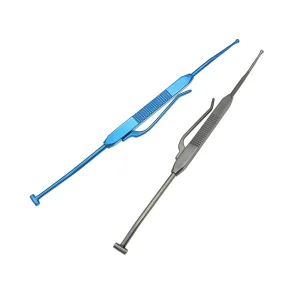
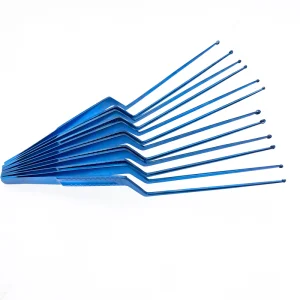
For instance, in ophthalmic microsurgery, scleral depressors and tissue forceps are subjected to high magnification scopes. Any microscopic imperfection, reflective glare, or material imbalance can degrade surgical precision. Our OEM/ODM solutions offer satin/matte finishing options on medical-grade Titanium alloys to optimize visual comfort under high-intensity surgical microscopes, assuring high patient safety during delicate retinopexies and vitreoretinal operations.
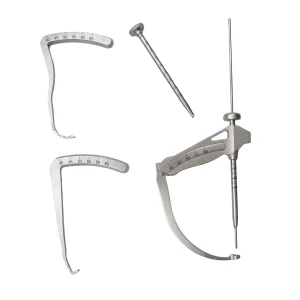
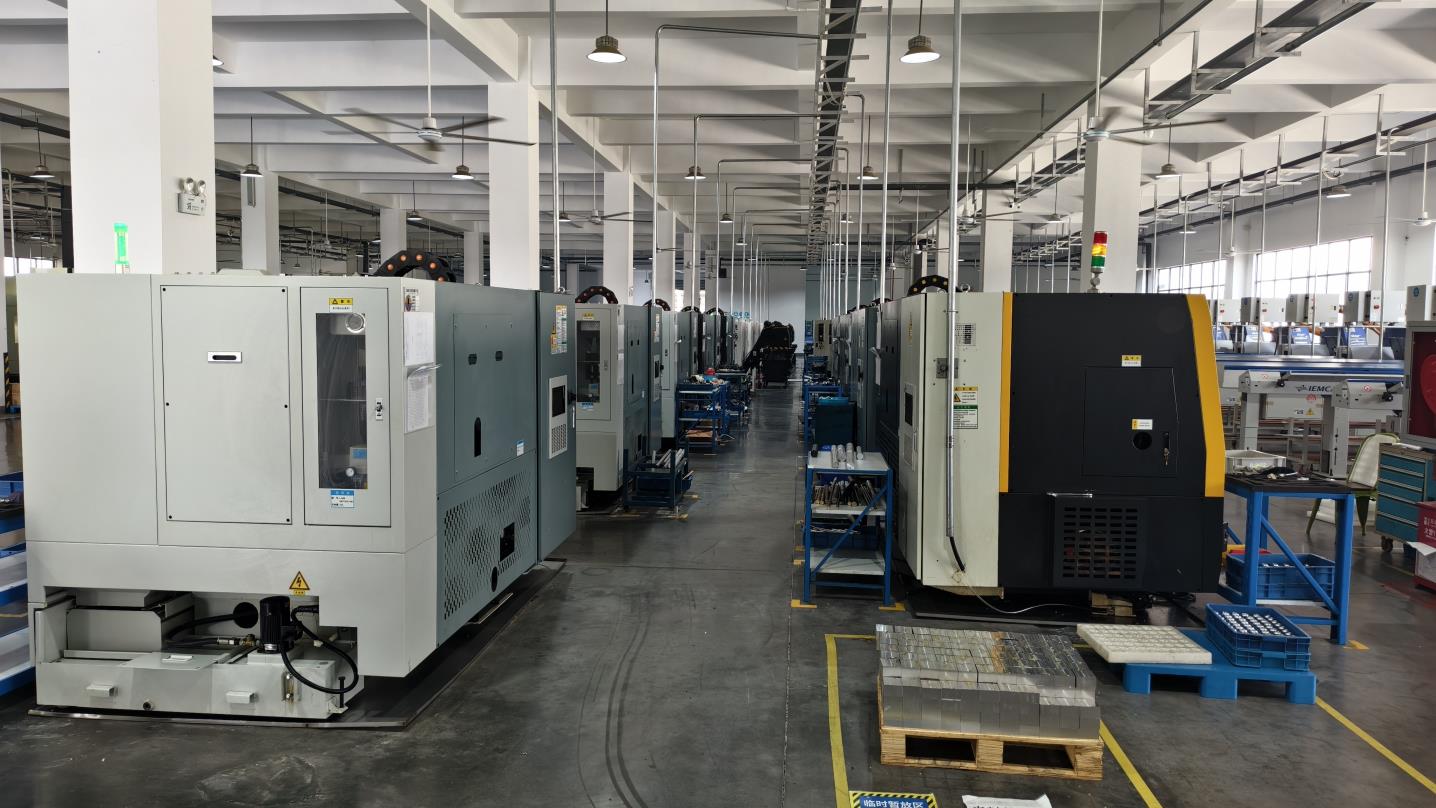
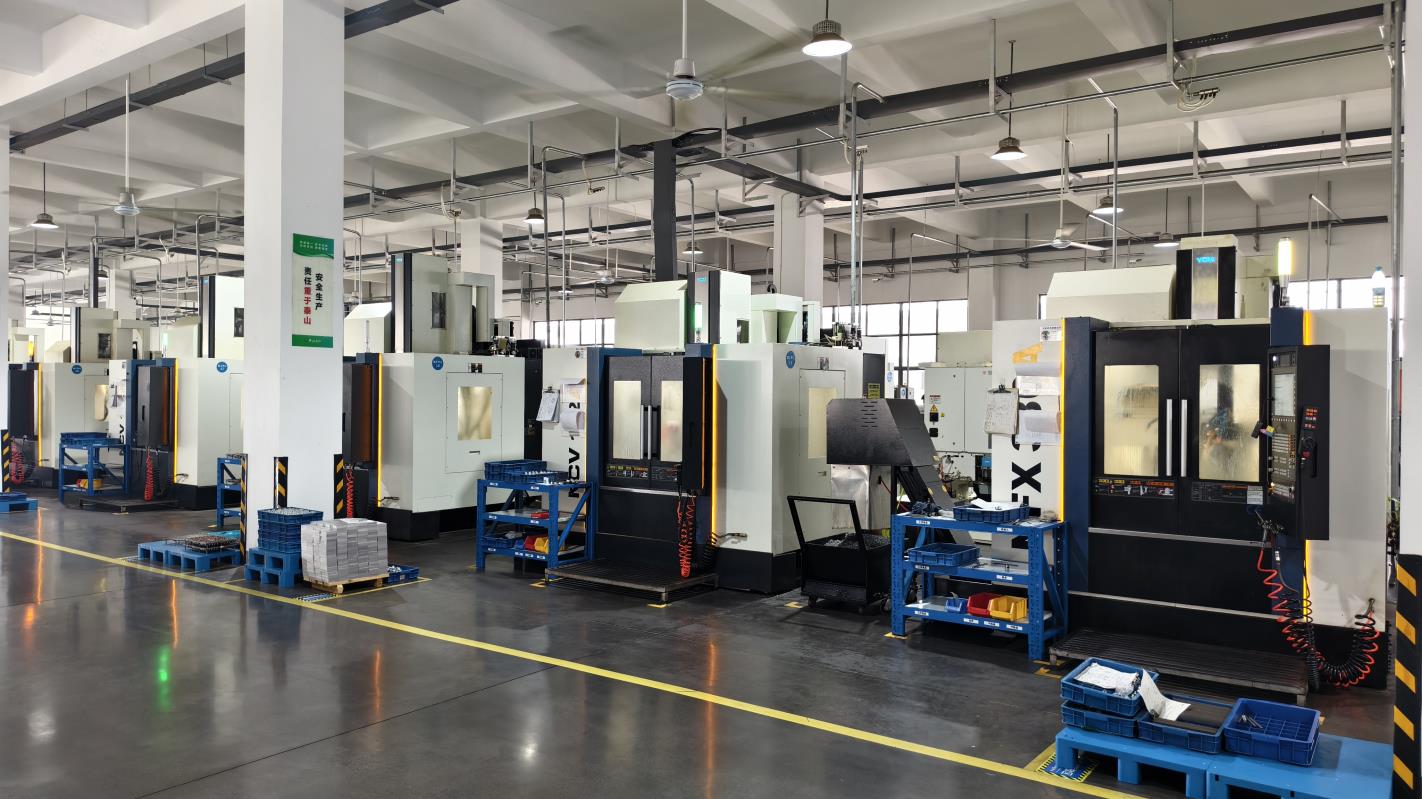
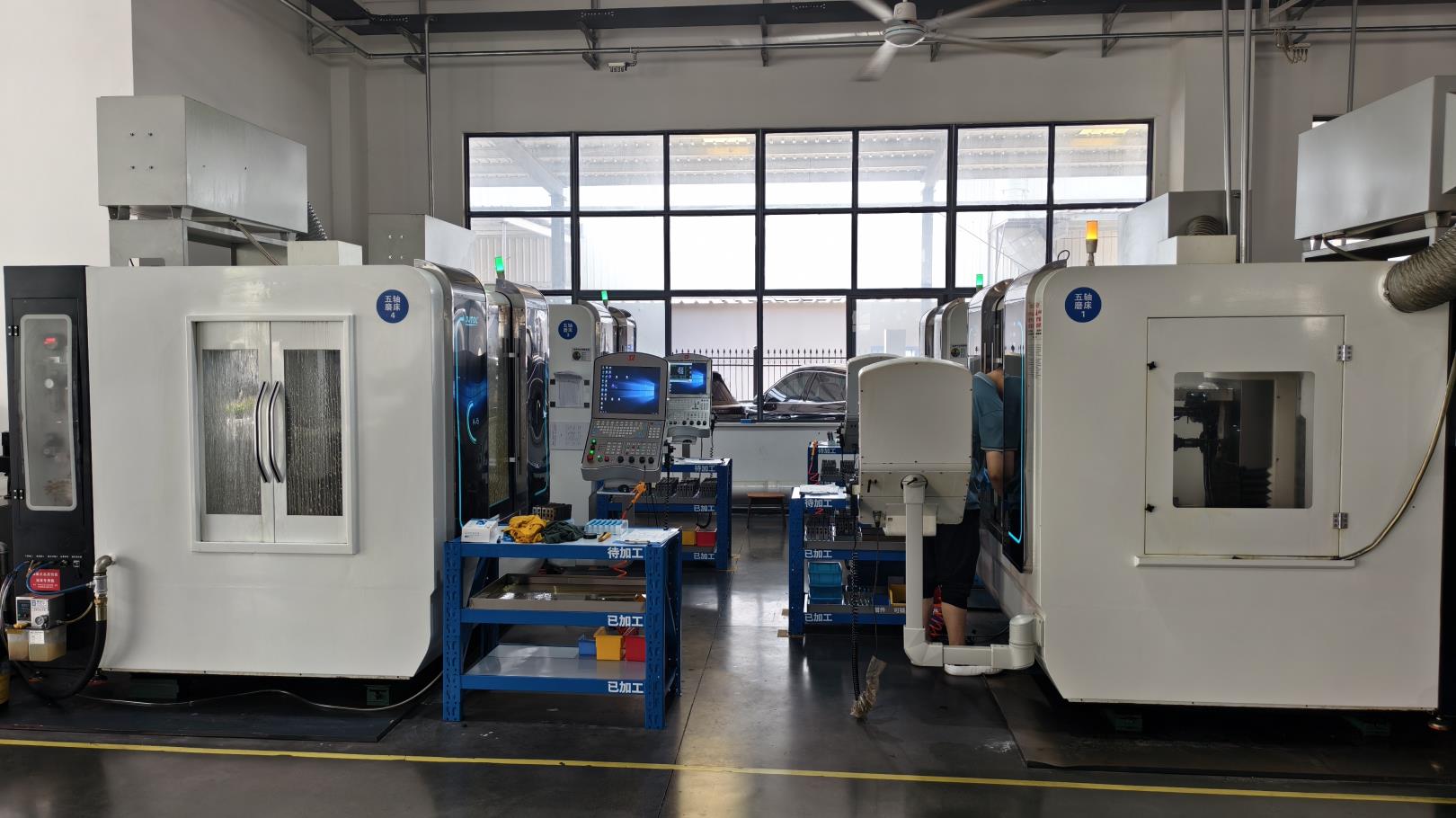
Modern surgical guides (such as C-type femoral/tibia aimers) require precise geometrical tolerances (+/- 0.02mm). Our machining process integrates CNC milling, EDM wire cutting, and coordinate measuring machines (CMM) to guarantee that structural axes align precisely with dynamic imaging diagnostic tools.
The global demand for high-end surgical instrumentation is undergoing a structural shift. Hospital purchasing boards and surgical distributors are seeking direct-from-factory OEM/ODM channels to bypass supply chain overhead. As of 2024, the distribution of our export footprint highlights a strong demand across mature and fast-growing medical economies:
Pursuant to global guidelines for high-risk surgical instruments, traceability is not optional—it is the foundation of clinical trust. We maintain complete, heat-by-heat traceability of raw titanium bars and stainless steel sheets. This enables us to provide mill test certificates, chemical analysis reports, and tensile strength documentations for every production lot.
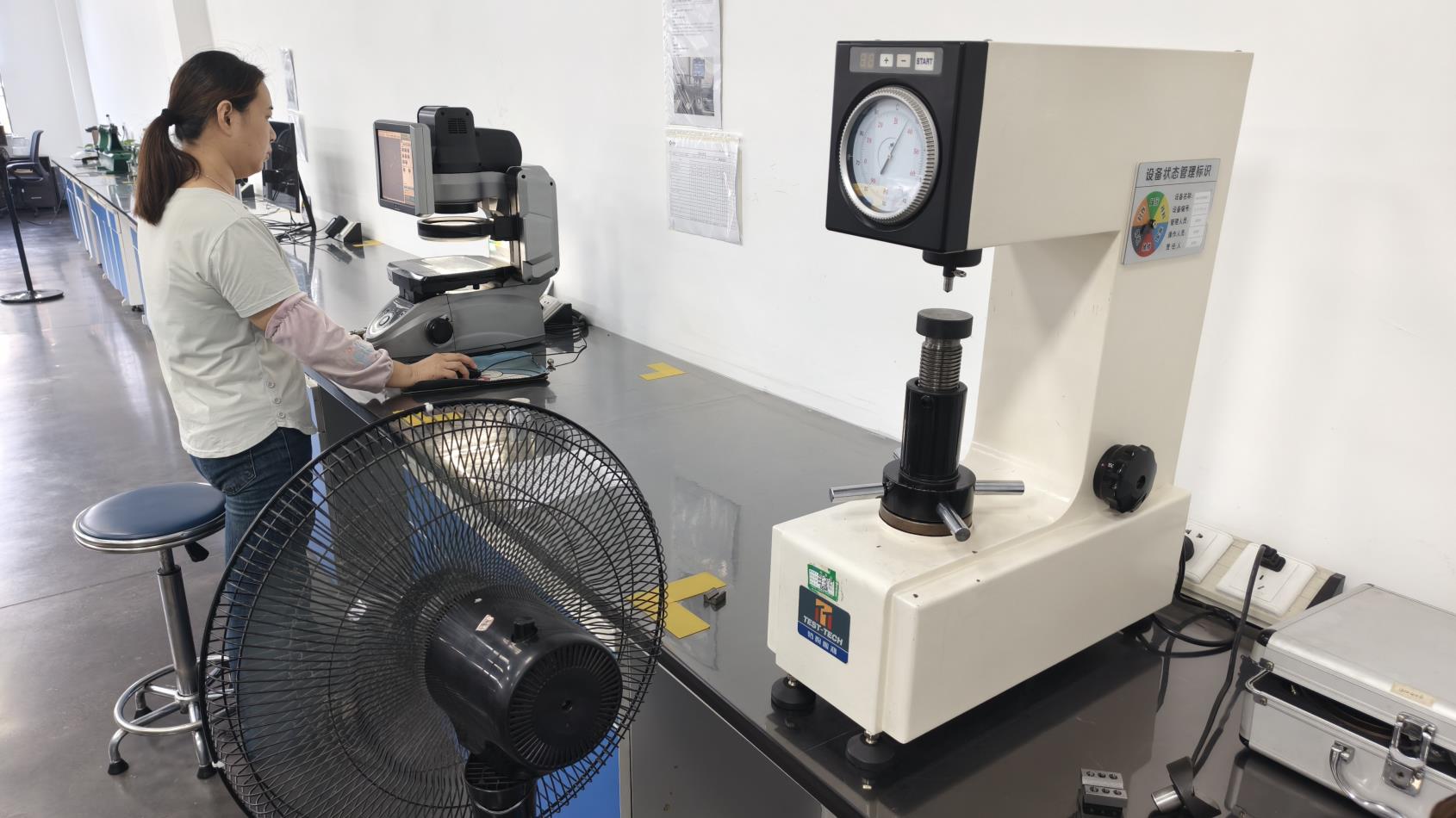
Our quality control facility is staffed by 3 dedicated QA/QC inspectors who execute a dual inspection protocol: rigorous random inspections across batch runs, and customized inspection methods tailored precisely to client drawings and dimensional parameters. From roughness testing (Ra value testing) to hardness (HRC) validation, each surgical instrument is verified prior to medical packaging.
We transform surgical schematics and clinical drawings into sterile, high-precision surgical instruments ready for distribution.
Provide us your blue prints, vector graphic files, or CAD designs. Our technical engineering division drafts detailed 3D files optimized for precision CNC machining and tolerances.
Have an existing tool that needs modification? Ship physical reference samples directly to us. We will run material spectroscopy, measure dimensional profiles, and output identical or improved variants.
We work seamlessly with third-party testing agencies (SGS, TÜV) and execute client-specific QA matrices, verifying functional parameters, passivation quality, and sterile performance.
A photographic window into our precision polishing, material sourcing, structural assembly, and logistical processes.

As the clinical market pivots toward robotic-assisted surgeries and minimally invasive technologies, the demands on surgical instruments are changing. We are continually researching surface coatings and engineering modifications to meet the future of surgical diagnostics:
Modern surgical operating theaters heavily rely on high-definition camera feeds and robotic imaging. Standard metal instruments cause high specular reflections under intensive LED surgery lights. Our R&D pipeline is evaluating physical vapor deposition (PVD) variants to produce black-coated surgical instruments that eliminate glare during minimally invasive operations.
To support high-frequency intraoperative imaging (such as C-Arm fluoroscopy), surgical retractors and guides must be radiolucent. We are experimenting with combining surgical stainless steel bases with advanced engineering plastics, providing clinicians with clear imaging access while keeping the mechanical integrity of structural retractors intact.
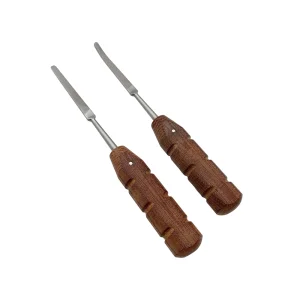
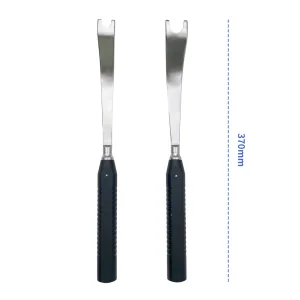
Following feedback from orthopedic surgeons, our next-generation orthopedic rasps and chisels will offer customized wood-composite and medical-grade silicone hybrid handles. This structure absorbs the mechanical impact of bone preparation while offering a high grip texture in saline-saturated surgical environments.
Unlike standard industrial stainless steels, medical-grade steels (such as 1.4021 or 1.4125) undergo secondary ESR (Electro-slag Remelting) processing. This extra processing ensures the steel is free of micro-inclusions that could otherwise act as start points for mechanical cracks during high-load bone cutting.
Micro tumor extraction forceps require microscopic tip alignment of less than 0.05 mm. Standard industrial machining cannot achieve this, requiring manual finishing under high-magnification stereomicroscopes by skilled bench artisans.
Everything you need to know about material traceability, OEM/ODM lead times, international custom controls, and compliance certifications.
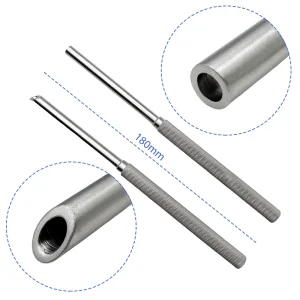
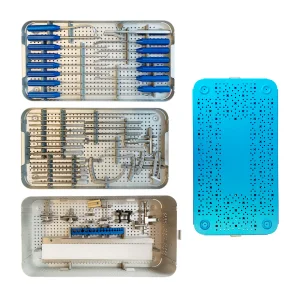
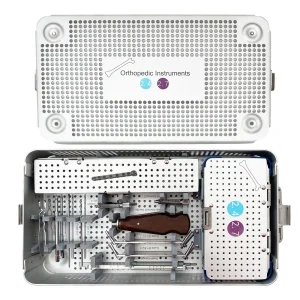
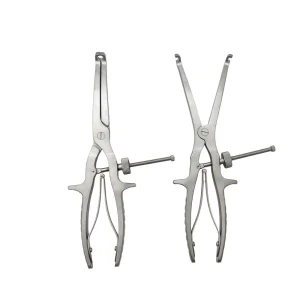
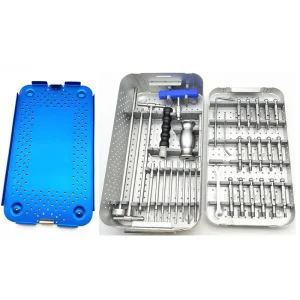
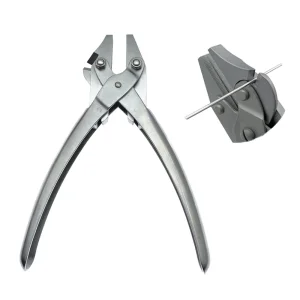
Explore our advanced orthopedic sets, neurosurgery forceps, spinal screw-rod extractors, and surgical cutting instruments.
 Carna Medicial Technology