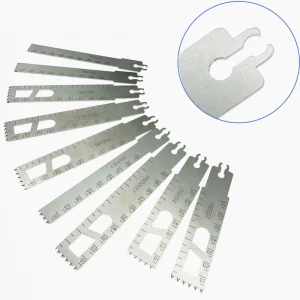
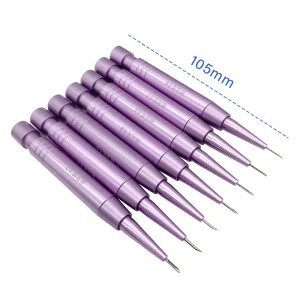
Global Leadership in Ophthalmic Tools Manufacturing & Export

Precision Engineering, Surgical Excellence, and Global Compliance Standards for the Next Generation of Ophthalmic Innovation.

I. The Global Landscape of Ophthalmic Tool Manufacturing

The global ophthalmic surgical instrument market is undergoing a seismic shift. As the global population ages, the prevalence of ocular conditions such as cataracts, glaucoma, and macular degeneration has surged, driving an unprecedented demand for high-precision ophthalmic tools. In 2024, the industry is not just about manufacturing; it is about providing integrated solutions that bridge the gap between traditional surgical skill and robotic-assisted precision.
Leading exporters are now focusing on Material Sovereignty—the ability to source and process medical-grade Titanium alloys and high-carbon stainless steels that offer superior biocompatibility and fatigue resistance. For manufacturers, the challenge lies in maintaining sub-micron tolerances while scaling production to meet the needs of emerging markets in North America, South America, and Southeast Asia.
6.5% Global CAGR (2023-2030)
ISO 13485 Industry Compliance
Titanium Leading Material Trend
Zero-Defect Quality Assurance Goal

Strategic Enterprise Overview

Established on 2019-11-20, our manufacturing facility has rapidly ascended to become a pivotal player in the surgical instrument supply chain. With over 6 years of industry experience, we have optimized our export operations to serve diverse global markets including North America (25%), South America (25%), and Southeast Asia (15%).
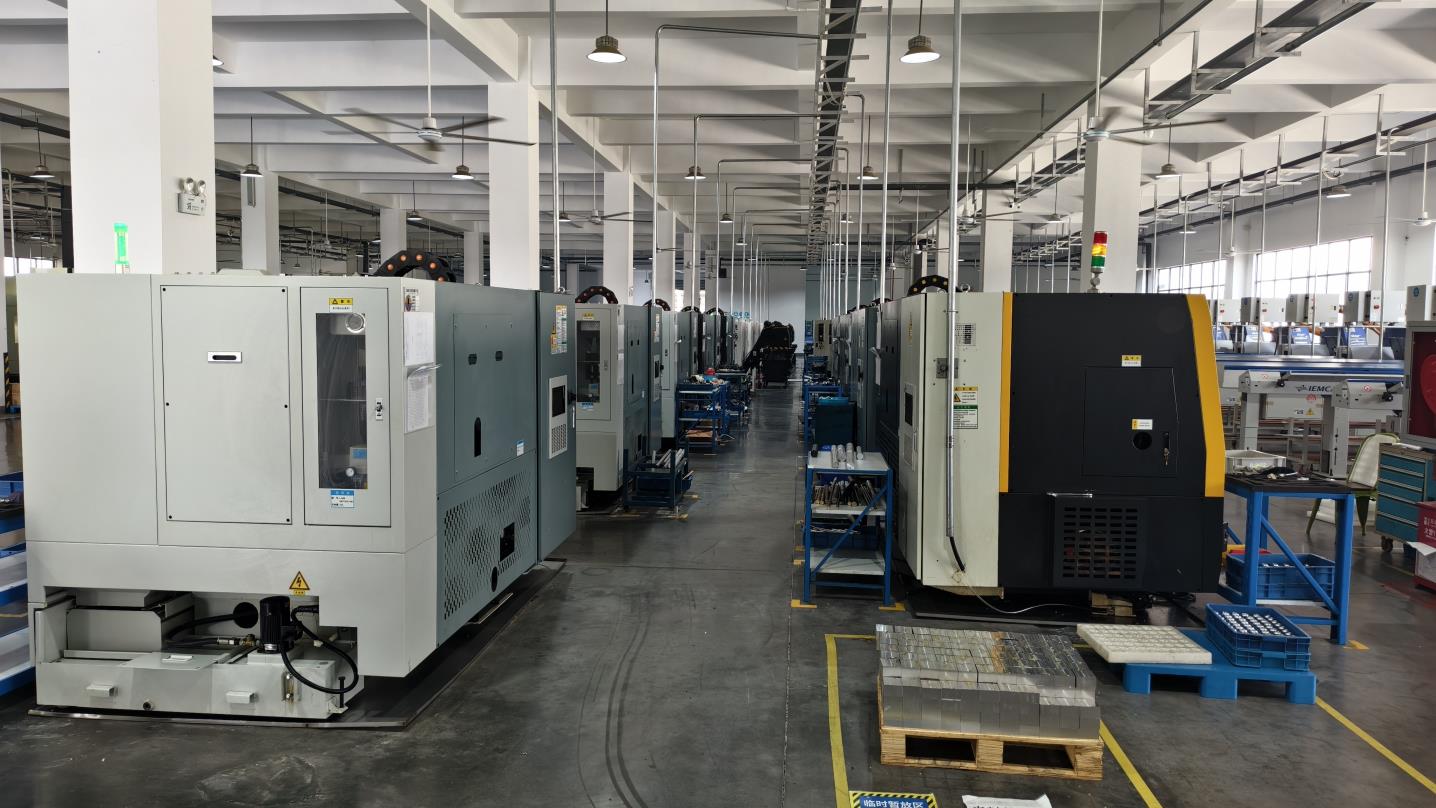
  • Accepted Languages: English (Global Business Standard)
  • Traceability: Full traceability of raw materials enabled.
  • Quality Control: Dedicated team of 3 QA/QC inspectors utilizing random and client-specific inspection protocols.
  • Customization: Sample processing, graphic processing, and on-demand bespoke manufacturing.

Future Tech Roadmap: The Evolution of Ophthalmic Instruments

Current

Manual Precision & Titanium Alloy Adoption

2025

IoT-Enabled Smart Sterilization Tracking

2027

AI-Optimized Ergonomic Tool Designs

2030

Fully Autonomous Robotic Interface Tools

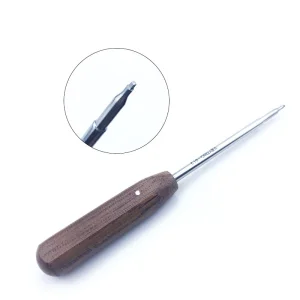
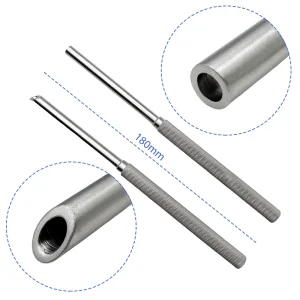
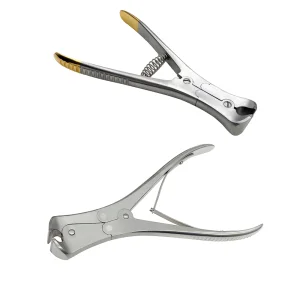
The future of ophthalmic tools lies in the marriage of metallurgy and digital intelligence. We are currently investing in Ultra-Precision Electro-Discharge Machining (EDM) and laser-assisted finishing to ensure that every instrument, from a simple toothed forceps to complex cannulated reamers, meets the "Golden Standard" of surgical efficacy.

II. Localized Application Scenarios & Strategic Support

Tertiary Care Hospitals

High-volume surgical centers requiring durable, autoclavable titanium instruments that can withstand frequent sterilization cycles without loss of calibration.

Mobile Eye Clinics

Lightweight, portable surgical kits optimized for field use in remote areas of Southeast Asia and South America, ensuring healthcare equity.

Private Practice Clinics

Customized branding and aesthetic finishing for boutique clinics focusing on cosmetic eye procedures and elective surgeries.

Global Compliance & Regulatory Assurance

Navigating the regulatory landscape is crucial for any global exporter. Our tools are manufactured in strict adherence to MDR (Medical Device Regulation) standards in Europe and FDA Class I/II requirements for the United States. We provide full documentation including Certificate of Conformity (CoC) and material analysis reports for every shipment, ensuring seamless customs clearance and clinical acceptance.
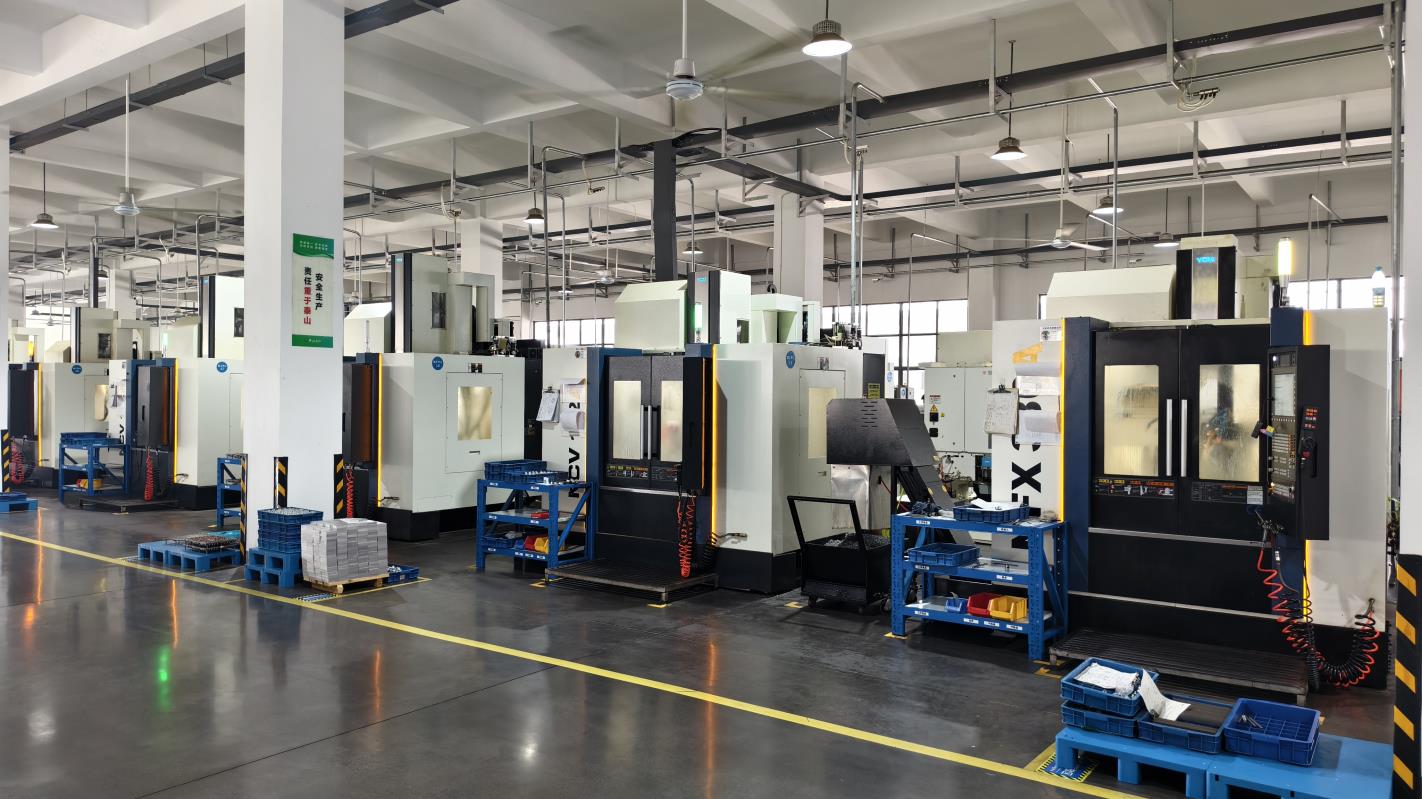

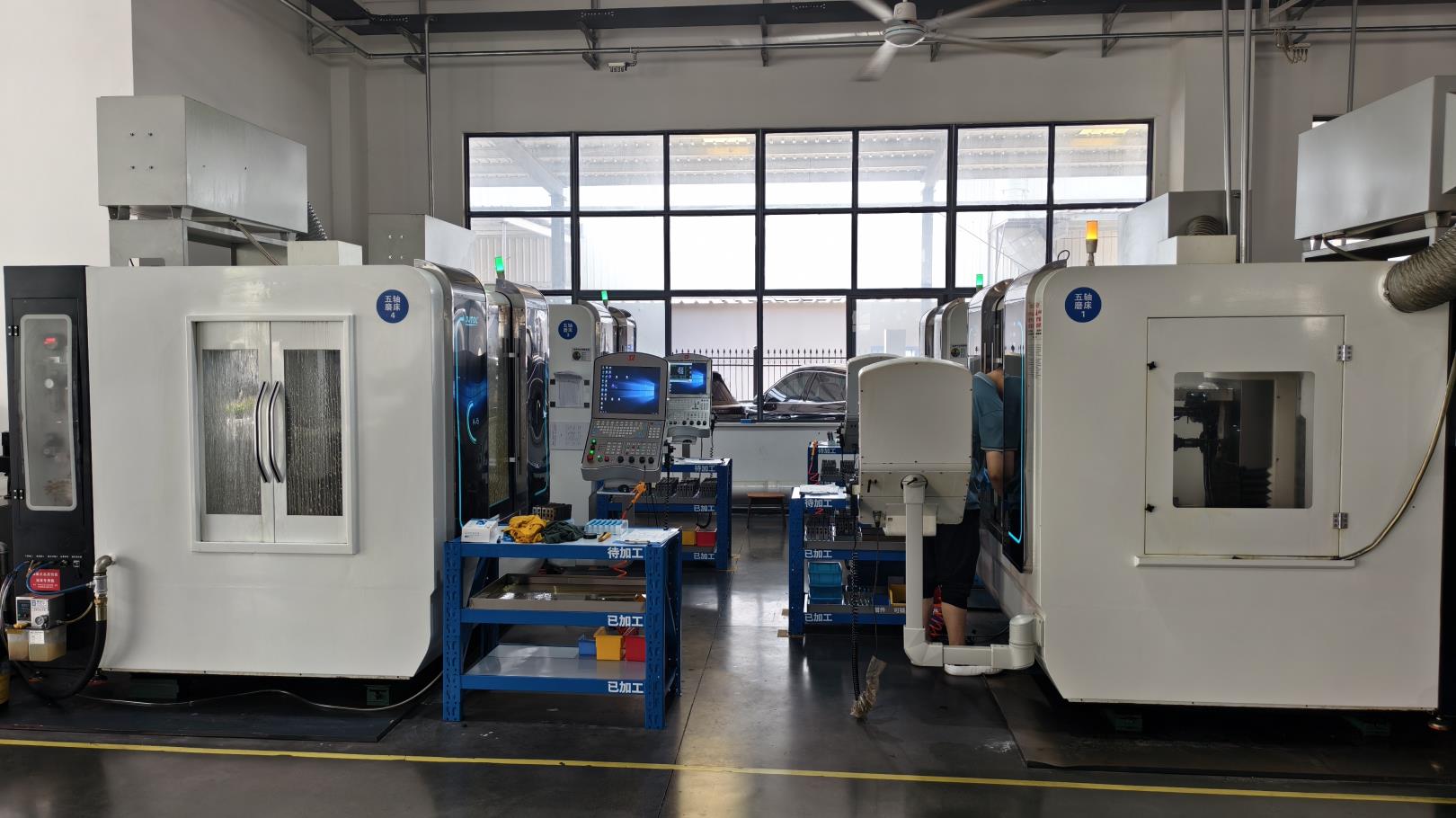
Production Excellence & Quality Control

Frequently Asked Questions (FAQ)

Q: Why is Titanium preferred over Stainless Steel in Ophthalmic Tools?
A: Titanium is significantly lighter, reducing surgeon fatigue during micro-incisional surgeries. It is also non-magnetic (critical for MRI-safe environments) and forms a protective oxide layer that makes it virtually immune to corrosion from saline solutions.
Q: Do you support OEM/ODM customization for private brands?
A: Yes, we offer comprehensive customization services, including graphic processing, laser etching of logos, and modification of tool dimensions based on specific surgical techniques or surgeon preferences.
Q: What are the primary quality control measures taken before shipping?
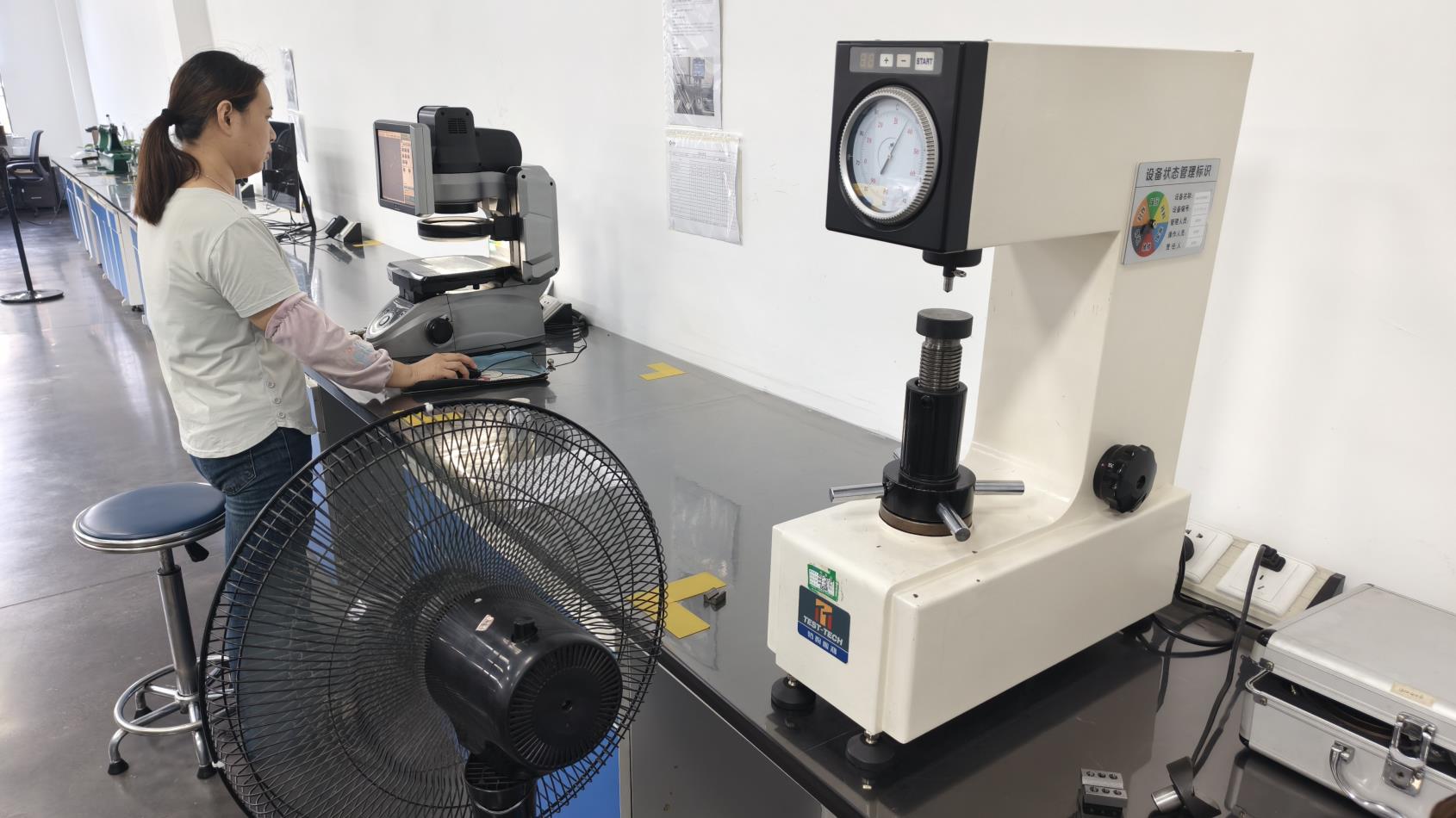
A: Every instrument undergoes a multi-stage inspection: 1) Raw material verification, 2) Geometric tolerance check using digital microscopes, 3) Functionality test (e.g., tension and grip for forceps), and 4) Final sterilization-readiness audit.
Q: How do you ensure localized support for international buyers?
A: We maintain a dedicated export team fluent in English and provide 24/7 digital support for technical queries. We also work with local distributors in North America and Southeast Asia to provide faster logistics and post-sale service.

The Strategic Importance of Choice in Ophthalmic Exporters

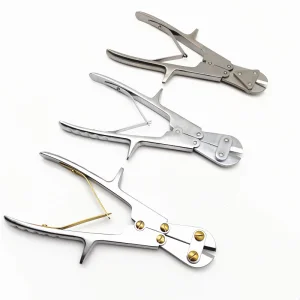
Selecting a manufacturer for ophthalmic and orthopedic tools is a decision that impacts clinical outcomes and institutional reputation. Beyond the mere physical attributes of an instrument, one must consider the ecosystem of support provided by the manufacturer. This includes the stability of the supply chain, the responsiveness to technical iterations, and the commitment to global medical safety standards.
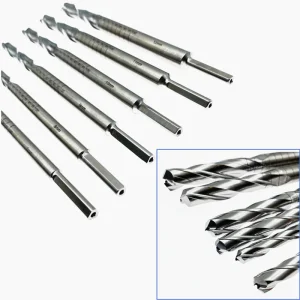
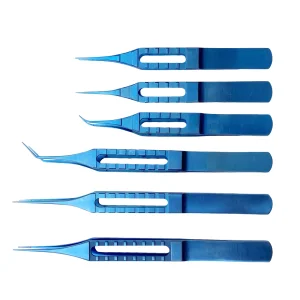
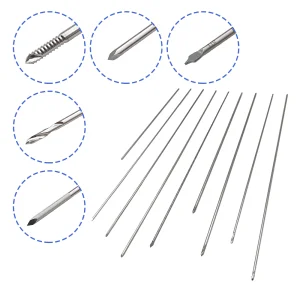
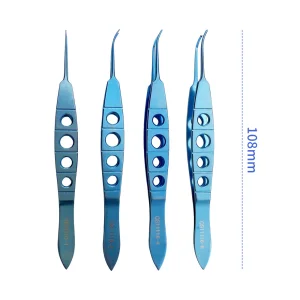
Our approach integrates advanced ergonomics with aerospace-grade materials, ensuring that every tool—be it a Castroviejo forceps or a complex cannulated drill bit—functions as an extension of the surgeon’s hand. As we look towards 2030, our focus remains on the "Information Gain" for our partners: providing not just the tool, but the technical data and reliability assurance that empowers medical professionals globally.