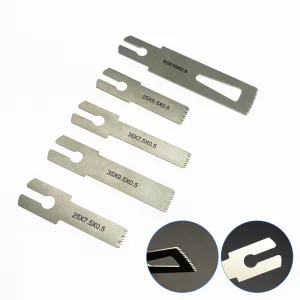
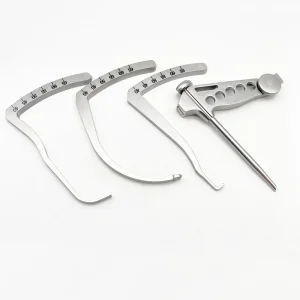
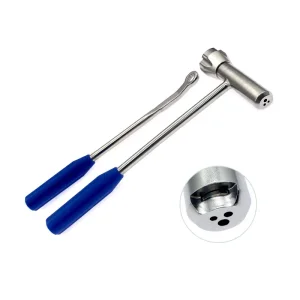
Engineered for absolute accuracy, maximum ergonomic feedback, and repeated sterilization resilience in demanding surgical ecosystems.
Analyzing market trends, clinical constraints, and metallurgical standards defining modern surgical instrument manufacture.
The contemporary global market for medical devices and surgical instruments demands uncompromising adherence to metallurgical performance and regulatory systems. Over the past decade, surgical workflows have transitioned from broad general surgeries to highly specialized, minimally invasive (MIS) and micro-surgical protocols. This shift requires factories to adapt their production lines for tighter tolerances, ergonomic leverage, and superior material selections.
Global procurement offices face multi-layered pressures: balancing capital expenditure cycles against the risk of surgical site infections (SSIs) caused by substandard instruments. Device failures, pitting corrosion, and mechanical fatigue in the operating room (OR) are unacceptable. Modern sourcing strategies prioritize manufacturers that utilize medical-grade materials, such as ASTM F899 stainless steel, titanium alloys (Ti-6Al-4V ELI), and tungsten carbide inserts. This guarantees that retractors, cutters, forceps, and saw blades maintain their mechanical properties through hundreds of autoclave sterilization cycles.
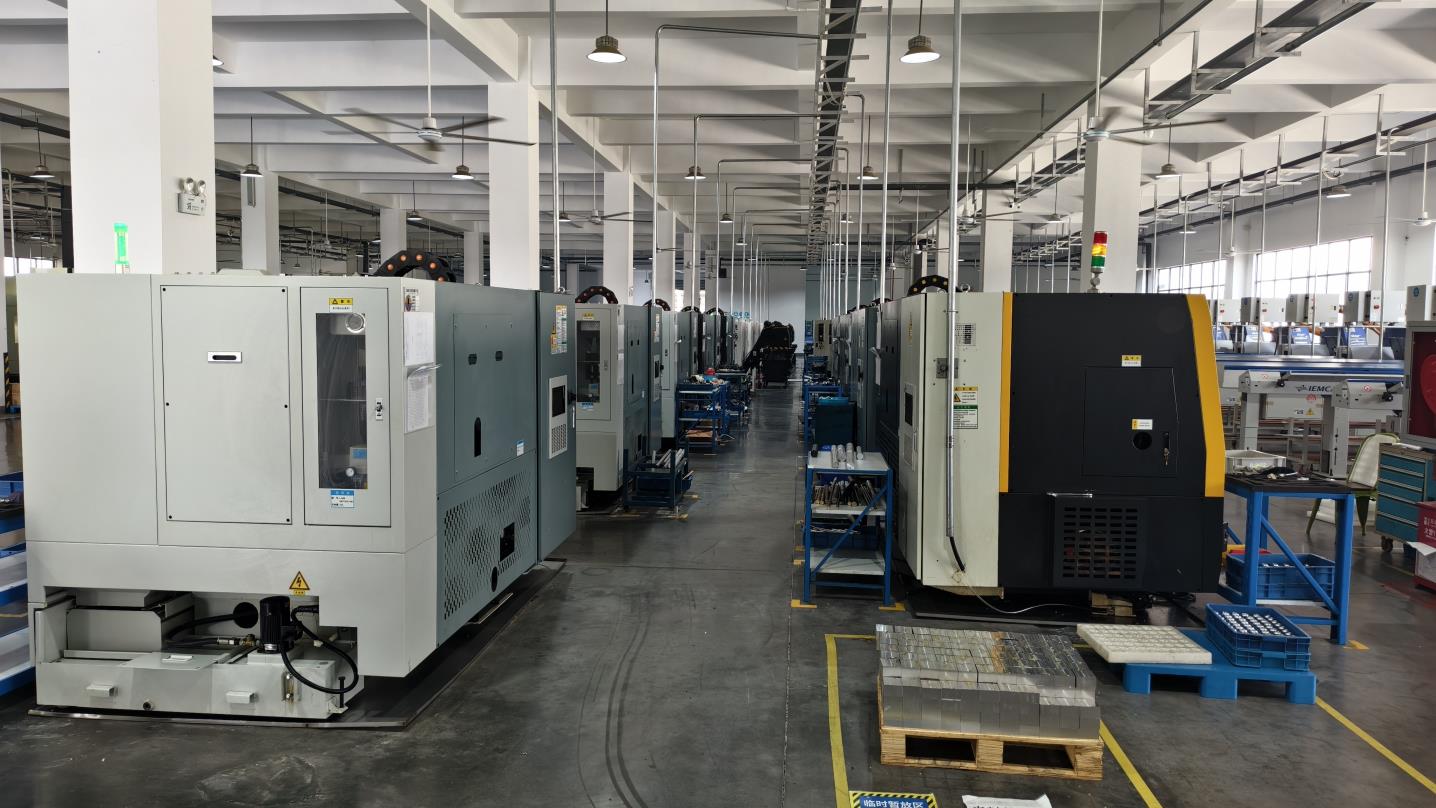
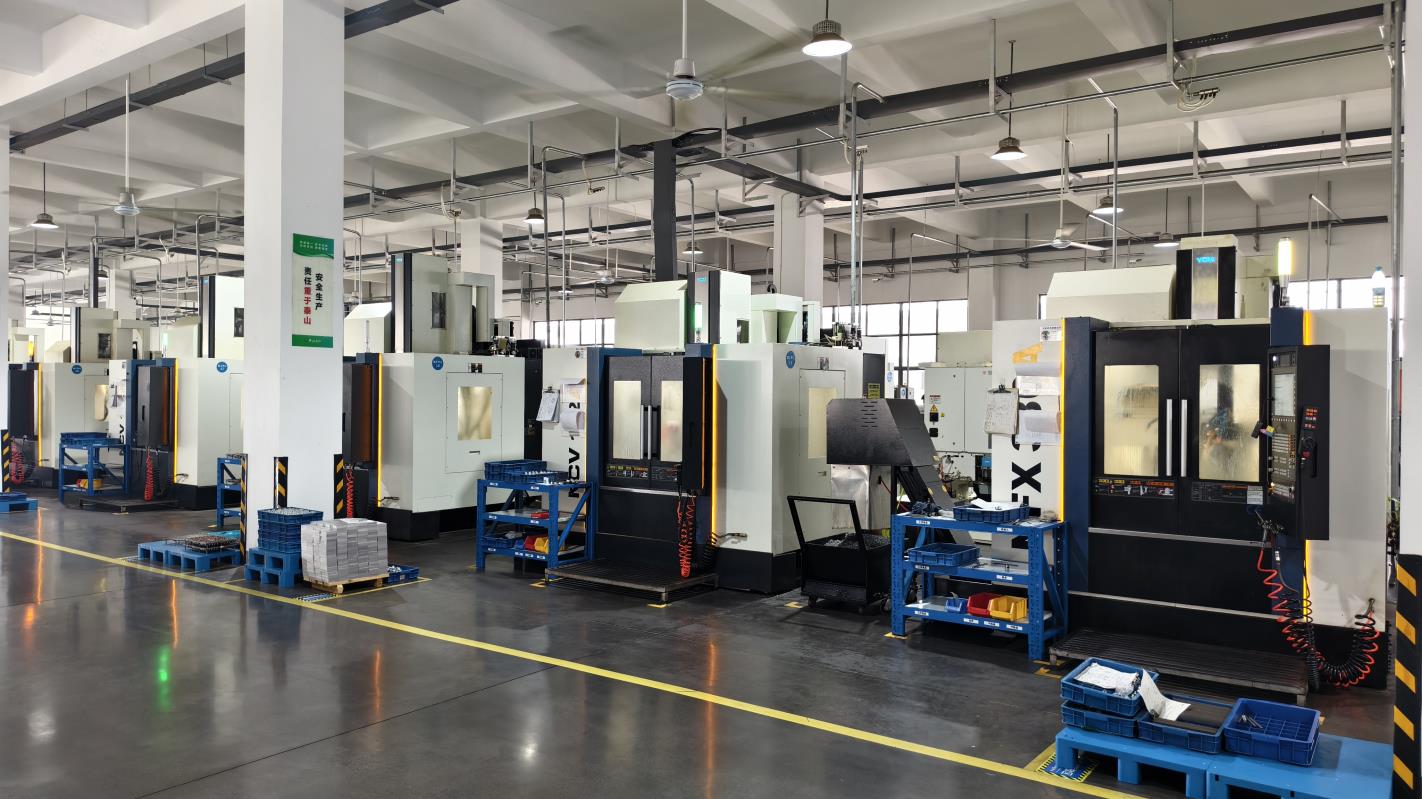
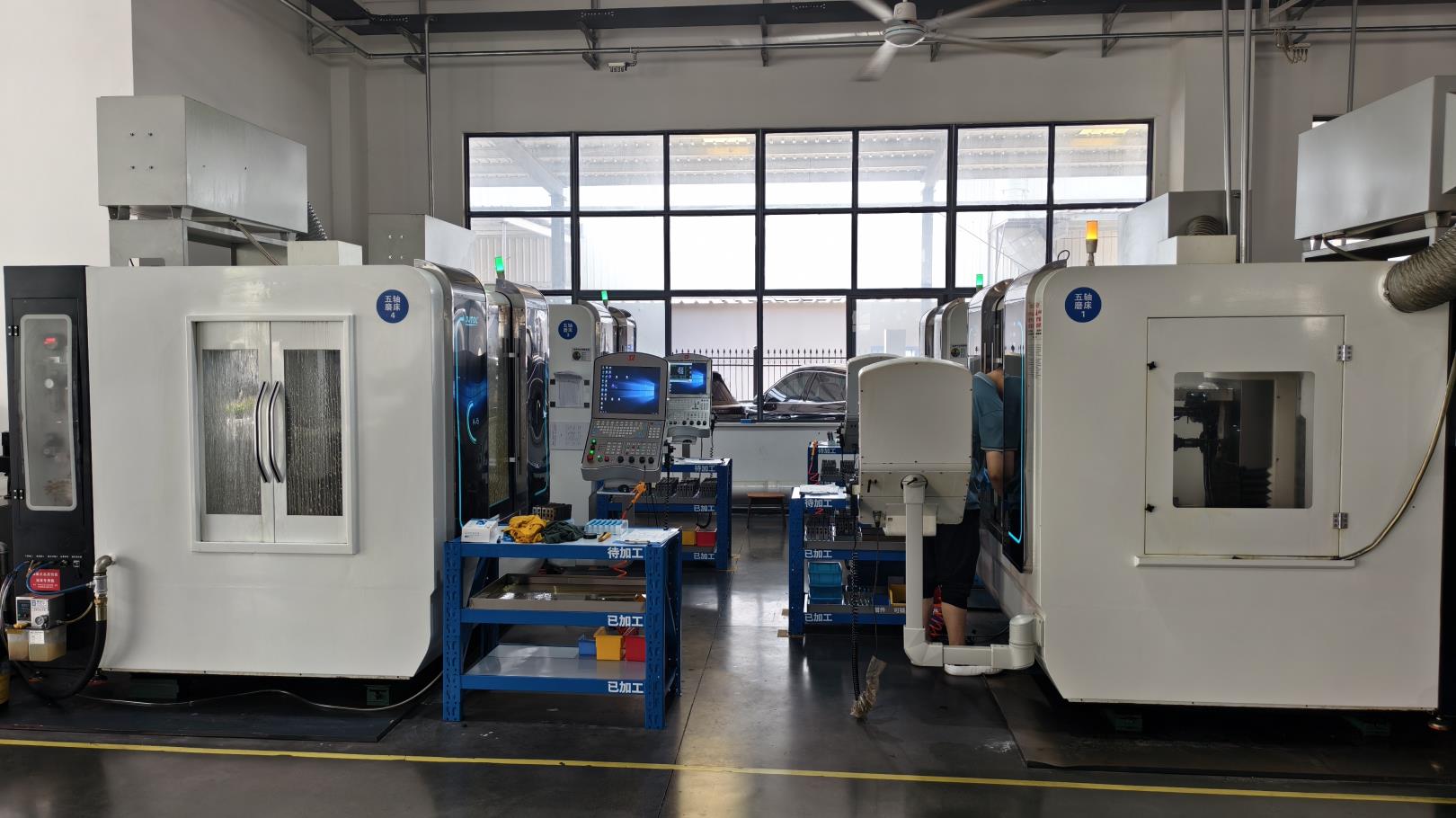
China's medical manufacturing corridors have transitioned from high-volume production to precision-focused Industry 4.0 ecosystems. Advanced machining methods, including 5-axis CNC milling, wire-EDM (Electrical Discharge Machining), and Swiss-type lathes, now drive the production of complex orthopedic and ophthalmic surgical toolkits. This engineering capability ensures that critical components, such as C-type drill guides, micro-scissors, and oscillating saw blades, conform to sub-micron target margins.
The competitive advantage of Chinese manufacturing lies in its deep vertical integration. Raw feedstock procurement, machining, heat treatment, surface passivation, laser marking, and sterile barrier packaging occur within highly consolidated geographical hubs. This infrastructure provides supply chain resilience against global logistics shocks and allows for agile turnaround times. For OEMs, distributors, and veterinary hospital networks, this integrated supply chain translates to rapid prototyping, design optimization, and competitive pricing without compromising quality control.
An authoritative evaluation framework for clinical directors, import managers, and surgical product distributors.
Demand verified chemical composition reports for steel and titanium heats. Verify ASTM F899 standards for surgical instruments to avoid pitting, stress corrosion cracking, and intraoperative mechanical failures.
Examine the passivation protocols (ASTM A967/A380). Proper chemical post-treatment removes free iron from the surface, forming a passive chromium-oxide layer crucial for corrosion resistance in autoclave environments.
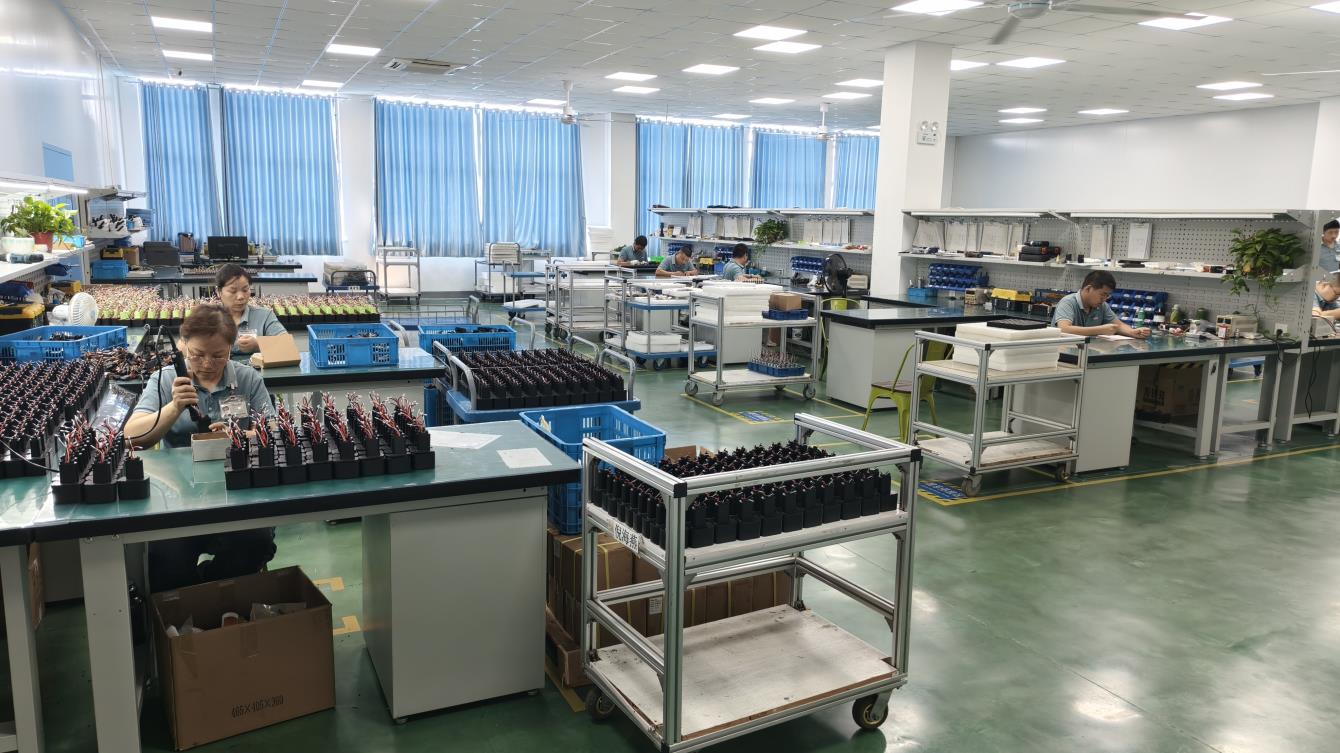
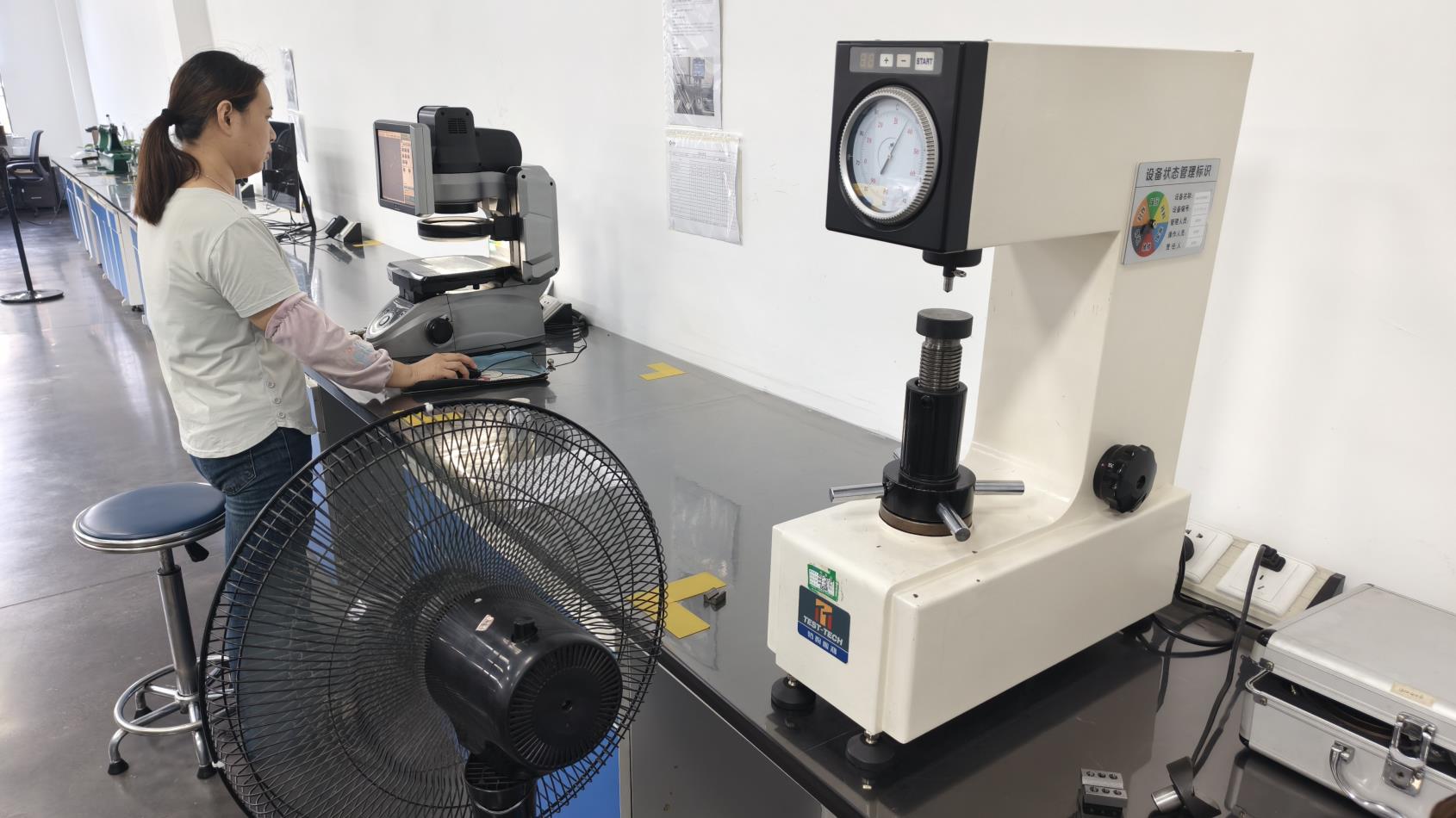
Audit the factory's quality management system (QMS). Confirm physical segregation of batch materials, traceable heat numbers, random post-machining inspections, and active calibration logs for metrology gear.
Transparent production data, export history, and quality control systems verifying factory authority.
Bridging the gap between factory engineering capabilities and the demands of modern operating theaters.
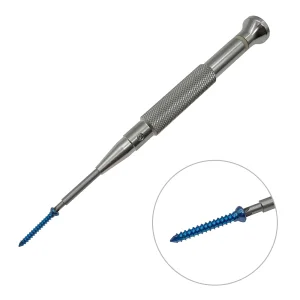
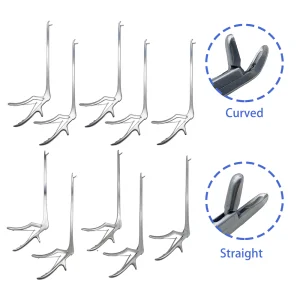
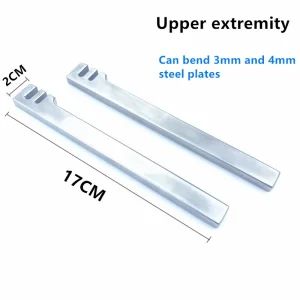
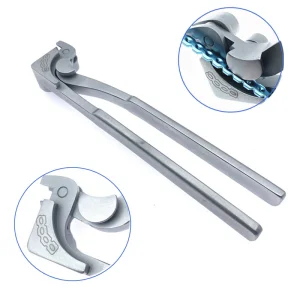
In high-load orthopedic procedures, instrument deflection and wear are primary failure modes. Our catalog addresses these requirements with dedicated products: the Spine Cervical Spine Microscope Nucleus Pulposus Forceps and Bending Pliers. Bone plate contouring requires tools that can bend plates without introducing stress concentration points that cause fatigue failure inside the patient.
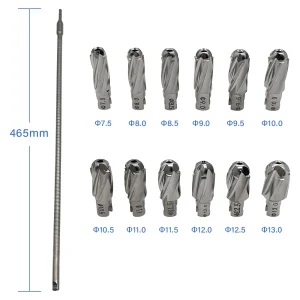
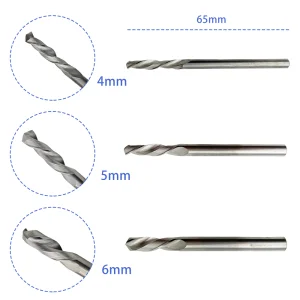
Additionally, bone drills and Detachable Stryker Body Reamers are engineered from high-durability martensitic stainless steel. This alloy choice preserves sharp cutting edges over multiple uses, reducing friction-induced heat generation during osseous tissue preparation and lowering the risk of bone necrosis.
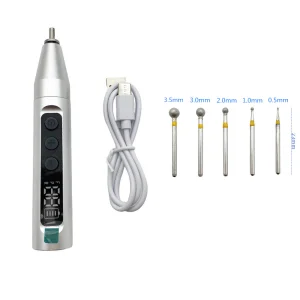
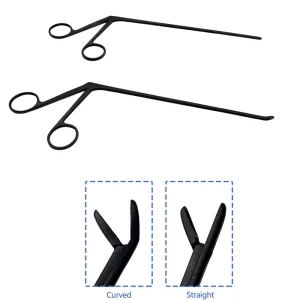
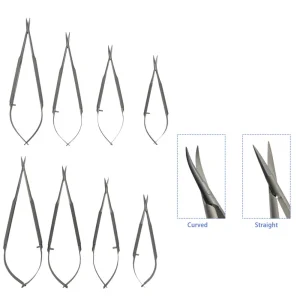
Ophthalmic surgery involves delicate tissues where micron-level precision is essential. Devices like the Ophthalmic Portable Corneal Polishing Set (0-35000RPM) and Castroviejo Micro Cornea Scissors must operate with minimal play in the hinges and low actuation force. These instruments are manufactured under microscopes, featuring hand-honed blade edges and passivated finishes to resist chemical corrosion from ophthalmic irrigating solutions.
Veterinary surgeons require high-performance, cost-effective instruments capable of handling diverse anatomical configurations. Products like the Veterinary Orthopedic Bone Bending Pliers and the C-type Drill Guide are designed to fit different skeletal structures, providing animal hospitals with professional-grade tools adapted for veterinary bone plating systems.
Technical and logistics questions answered by our engineering and export compliance team.
We strictly manufacture using biocompatible materials. Our stainless steel tools are made from martensitic grades (such as AISI 420 and AISI 440C) for cutting instruments to ensure edge retention, and austenitic grades (like AISI 316LVM) for non-cutting retractors and plates. For implants and guides, we use Ti-6Al-4V ELI (Grade 23) in compliance with ASTM F136 specifications.
Our Quality Management System logs and tags each batch of incoming raw material with its original mill heat certificate. Every machining run is tracked via an internal routing card. This ensures that the final product can be traced back to its raw material source, machining parameters, and the specific QA inspector who signed off on the finished lot.
Yes. We support custom manufacturing based on 3D CAD files (STEP/IGES formats) or physical samples. Our engineering team optimizes tooling and toolpaths for 5-axis CNC machining, ensuring prototype designs can be scaled efficiently into production while meeting standard surgical parameters.
We perform polishing followed by chemical passivation using citric or nitric acid baths (conforming to ASTM A967). This process removes free surface iron, allowing a passive chromium-oxide layer to form. We also offer bead-blasting for glare reduction, electro-polishing for micro-smooth surfaces, and Titanium Nitride (TiN) coating for increased surface hardness.
Advanced diagnostic, retractor, and bone-cutting systems engineered for clinical environments.
 Carna Medicial Technology