Engineered for immediate clinical intervention, these professional-grade instruments support operating theaters, ICU teams, and field veterinary surgeons globally.
An analysis of clinical demands, supply-chain parameters, and the rise of high-specification orthopedic instrumentation.
The global landscape for emergency medical and trauma equipment is undergoing a profound shift. Driven by aging demographics, rising urbanization, and an escalation in natural disasters and road traffic accidents, emergency trauma departments worldwide are under pressure to optimize patient outcomes. Successful clinical stabilization of orthopedic trauma cases—ranging from complex pelvic fractures to spinal alignment abnormalities—requires high-performance instruments capable of withstanding autoclaving cycles and intense load-bearing demands without compromised mechanical integrity.
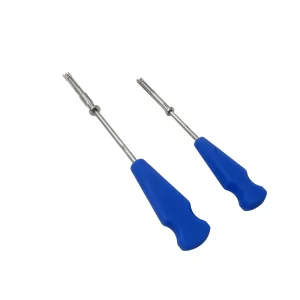
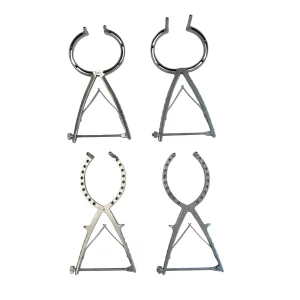
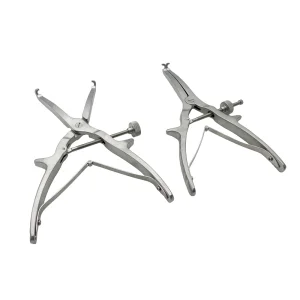
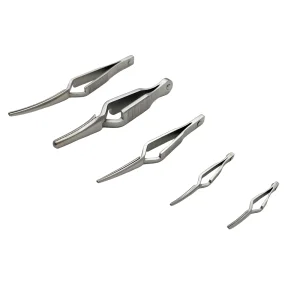
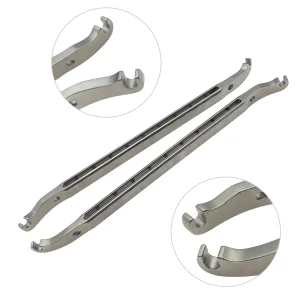
In surgical suites and emergency mobile hospitals, devices such as pelvic reduction forceps, spine separators, and arterial hemostatic clips act as frontline solutions. In trauma care, time is the ultimate variable; surgical instruments must offer ergonomic reliability, tactile feedback, and absolute biocompatibility. Leading institutions from North America, Europe, and Latin America are increasingly turning toward specialized manufacturers that can maintain raw material traceability from medical-grade stainless steel (such as 316L or 420 ASTM standards) to finished, polished surgical-grade tools.
Transparent production values, accredited QA pipelines, and worldwide market access.
Since our registration in 2019-11-20, we have built a reputable footprint as an industry-leading designer and exporter of emergency orthopedic and trauma surgical instruments. Backed by 6 years of focused industry experience, our export channels handle volume logistics for brand businesses, retailers, and wholesalers globally. We maintain strict geographic portfolios, supplying major markets in North America (25%), South America (25%), and Southeast Asia (15%).
China’s medical device manufacturing sector has graduated from simple parts assembly to high-precision CNC manufacturing, metallurgical formulation, and laser etching. Our state-of-the-art facility utilizes Swiss-type longitudinal lathes, 5-axis milling centers, and advanced chemical passivation lines. This industrial concentration yields critical advantages:
1. Unbeatable Production Density: By localizing raw steel suppliers, heat treatment chambers, and testing facilities in adjacent industrial zones, we reduce lead times by up to 40% compared to Western counterparts.
2. Comprehensive Customization Capabilities: From OEM sample processing and graphic layout optimization to customized custom surgical kits, we scale custom engineering projects to fit localized clinical protocols.
3. Rigorous Quality Governance: With random inspection standards matching client requirements and complete documentation of steel lots, we assure quality and avoid clinical failures.
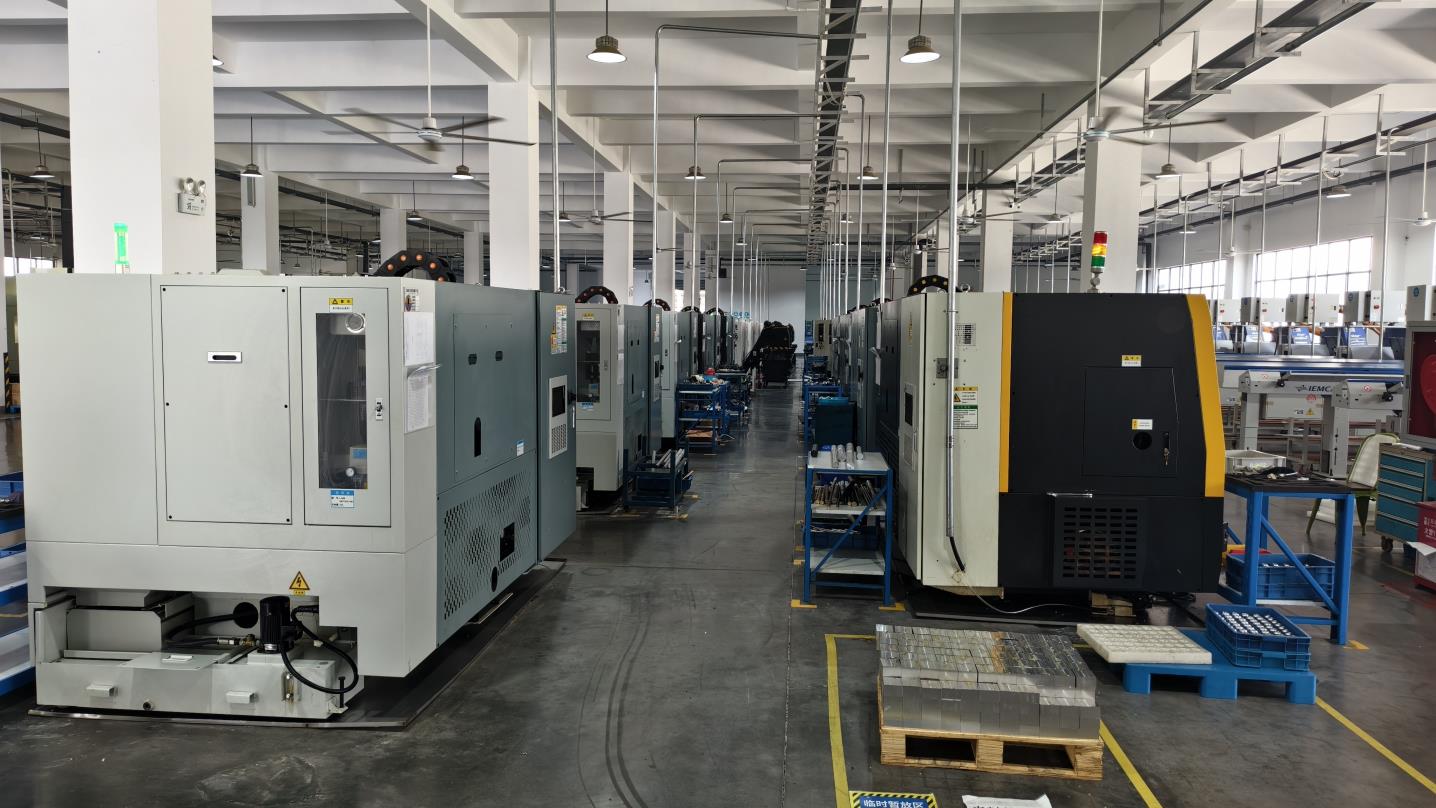
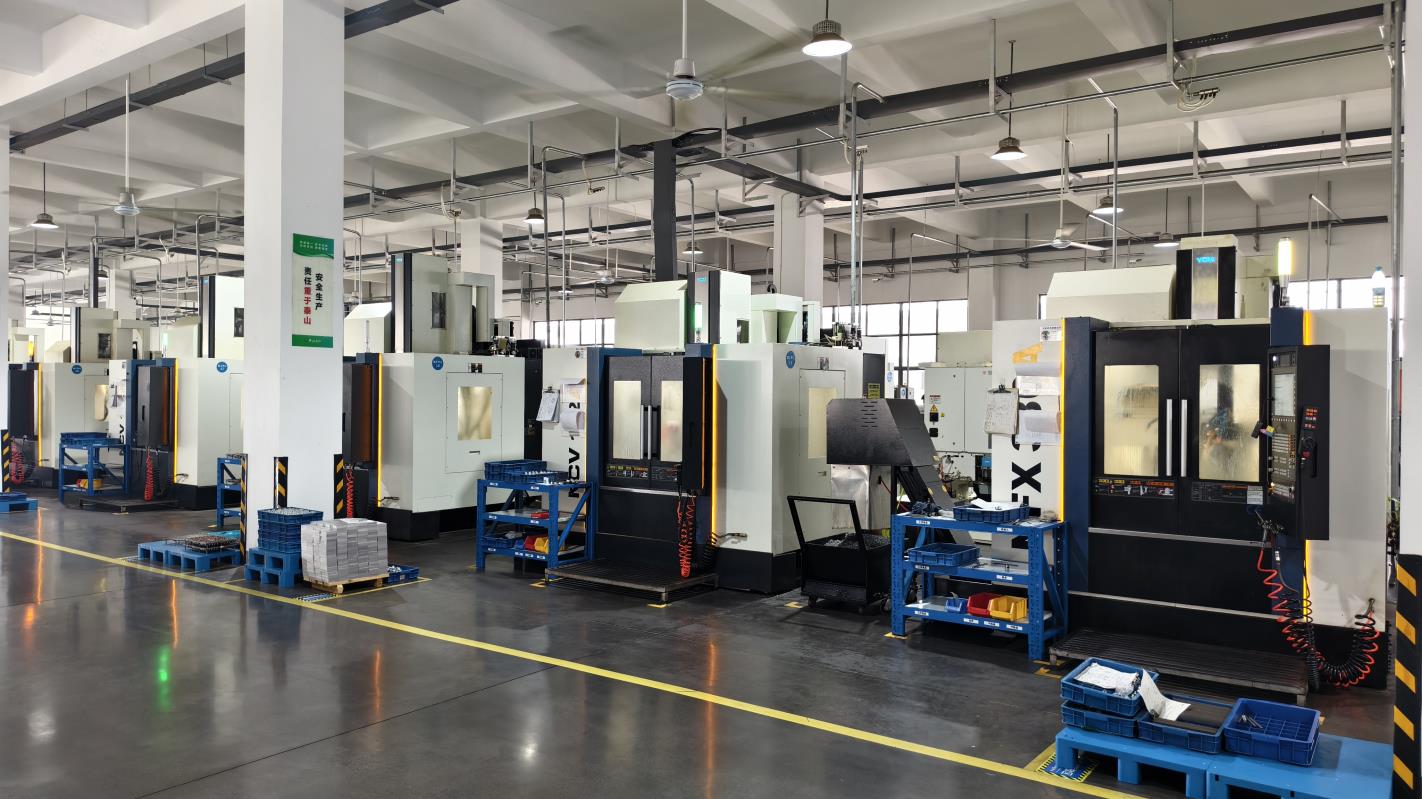
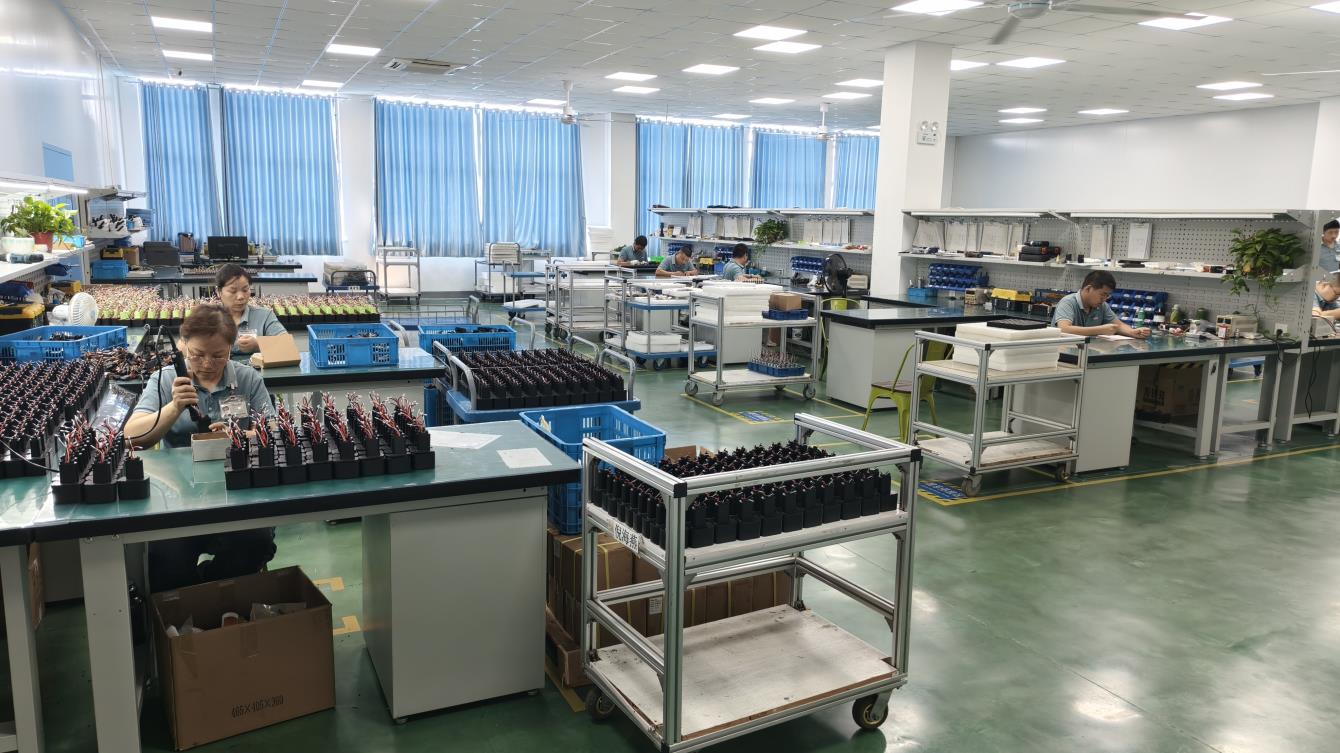
Engineered to excel in demanding high-stress healthcare and veterinary surroundings.
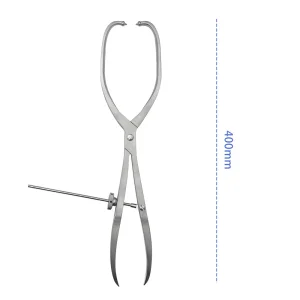
For urgent pelvic fracture management, rapid-access pelvic reduction forceps are critical for stabilization before permanent internal fixation, limiting internal bleeding and protecting surrounding nerve networks.
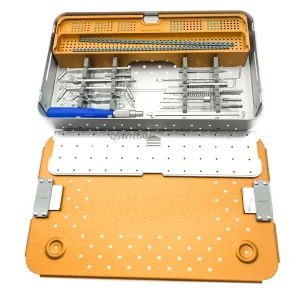
As pet care sophistication increases, specialty veterinary orthopedic systems like the Pet Titanium Locking Plate System are used to repair long bone fractures in dogs and exotic animals.
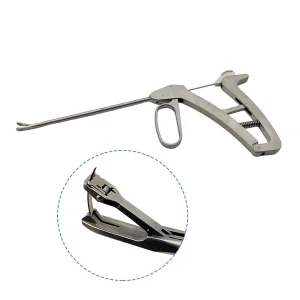
The reusable Arthroscopic Knee Suture Passer enables precise arthroscopic knee repairs, reducing patient recovery times, preventing tissue damage, and maximizing operating room throughput.
From advanced metallurgy to surgical automation compatibility.
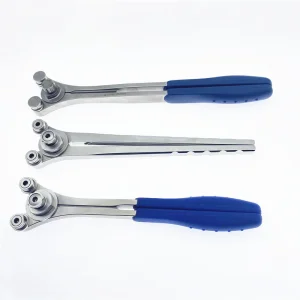
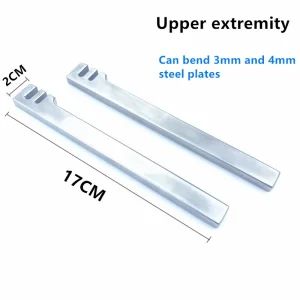
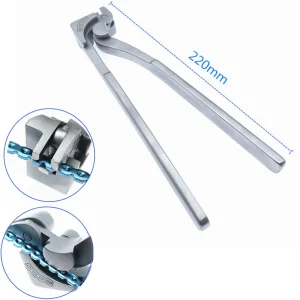
The future of emergency medical instruments is characterized by a push toward high-entropy alloys and advanced polymers. While medical-grade stainless steel remains the workhorse of orthopedic sets, medical-grade titanium alloys (such as Ti-6Al-4V) are becoming standard for permanent implants and portable tools due to their high strength-to-weight ratio and bio-inertness. Our locking plate systems and bone benders are designed to match these material upgrades, ensuring compatibility with implants.
Additionally, the rise of digital health integration has led to demand for barcode-lasered instruments. This allows hospitals to implement digital instrument tracking systems, managing sterilization history and optimizing supply chains. By supporting full raw material traceability and laser branding, our factory prepares global distributors to supply hospitals moving toward complete electronic health record (EHR) traceability.
Discover our comprehensive collection of ophthalmic, neurosurgical, and orthopedic manual devices.
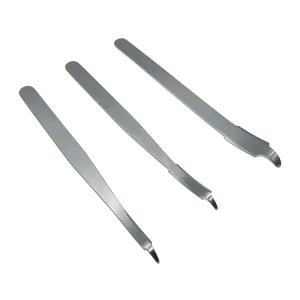
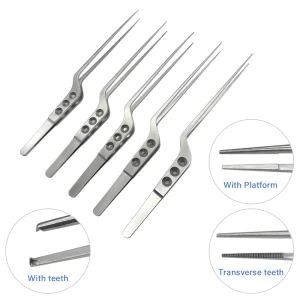
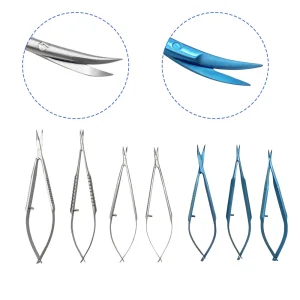
Inside our medical manufacturing center and clean assembly units.
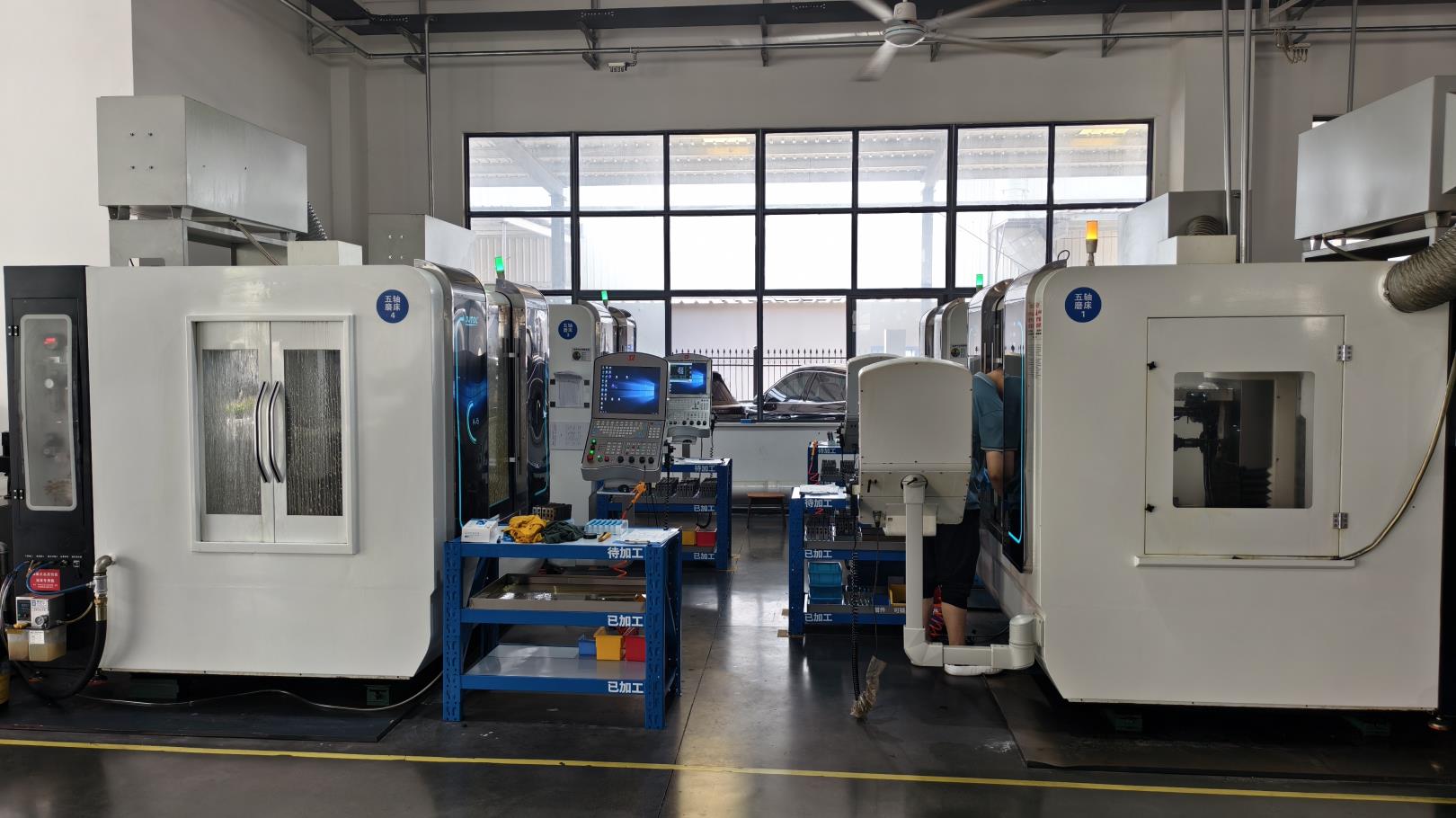
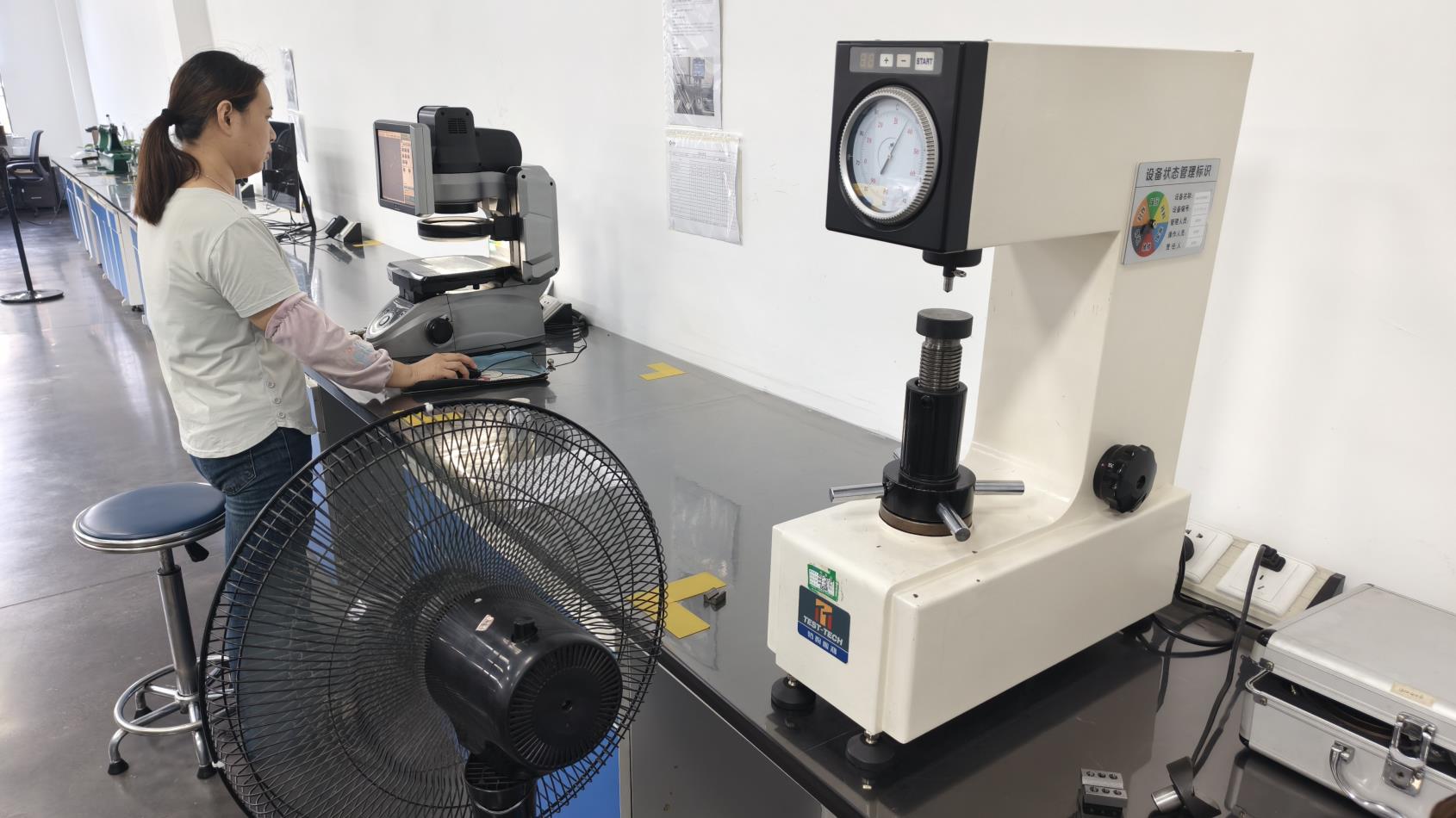
Answers to compliance, materials, customization, and logistical processes.
 Carna Medicial Technology