In the high-stakes environment of modern operating theaters, the quality of surgical instrumentation is not merely a logistical detail—it is the bedrock of patient safety and surgical efficacy. As a leading Surgical Scissors Factory and Exporter, we recognize that the shift toward minimally invasive surgery (MIS) and robotic-assisted procedures has redefined the benchmarks for metallurgical precision and ergonomic design.
Global procurement heads are no longer just looking for suppliers; they are seeking strategic partners who understand the "Triple Aim" of healthcare: improving the patient experience, improving the health of populations, and reducing the per capita cost of healthcare. This white paper explores the critical intersections of manufacturing excellence, global compliance, and technological innovation in the surgical instrument sector.
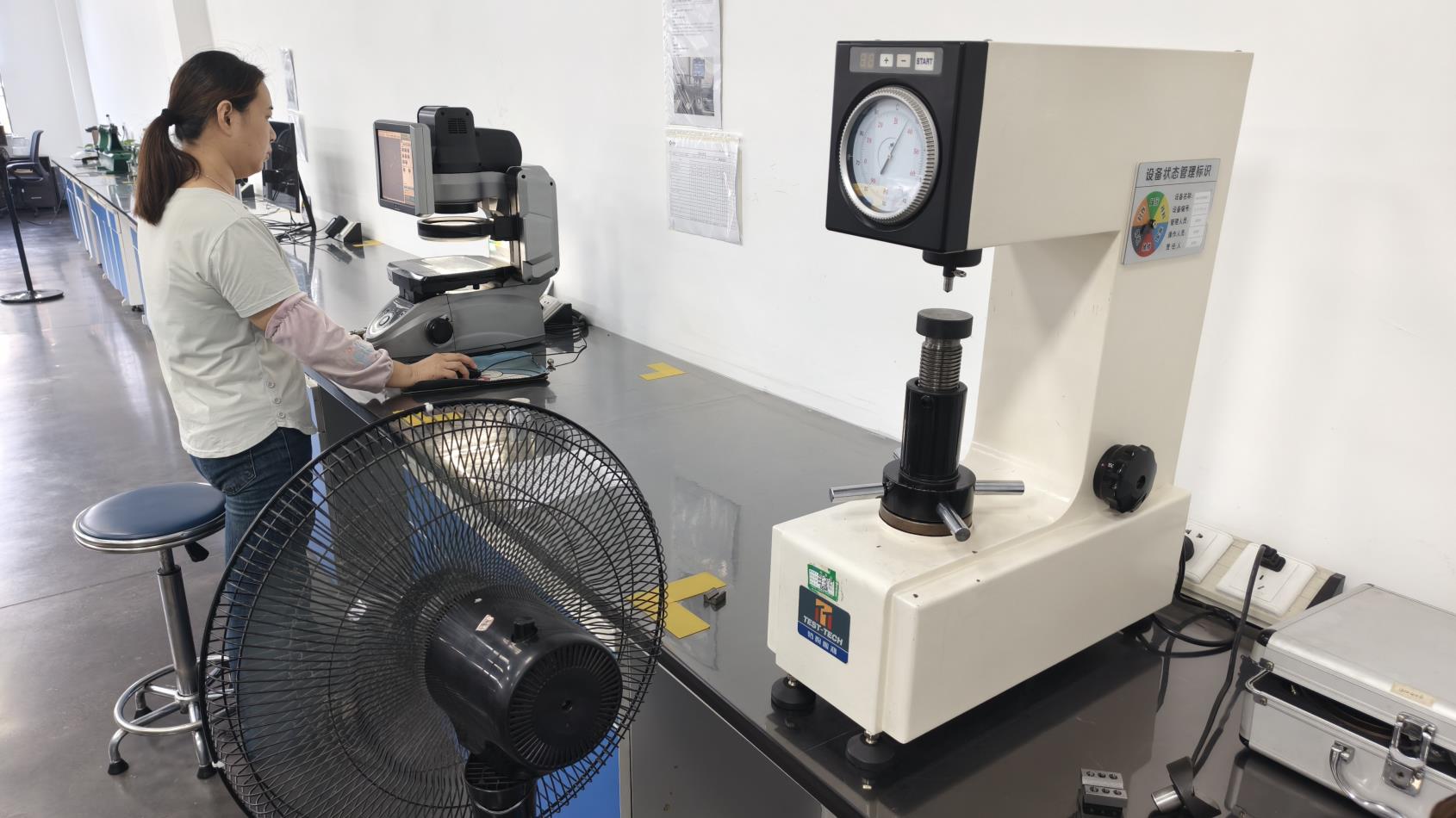
Utilizing AISI 420 and 440C stainless steel with proprietary heat treatment protocols to achieve HRC 50-56 hardness.
Strict adherence to ISO 13485:2016, CE MDR, and FDA registration, ensuring seamless entry into Tier-1 medical markets.
Implementing machine vision for edge consistency analysis, reducing human error in the final sharpening phase by 98%.
The global surgical instrument market is projected to reach USD 22.3 billion by 2028. This growth is driven by a surge in geriatric populations and a corresponding increase in orthopedic and cardiovascular surgeries. As an exporter, we have observed a pivot in Procurement Needs:
| Feature | Traditional Manufacturing | Our Smart Factory Standard |
|---|---|---|
| Material Certification | Batch-level sampling | 100% individual heat-traceability |
| Precision Tolerance | +/- 0.5mm | +/- 0.01mm (CNC Controlled) |
| Surface Treatment | Standard Polishing | Electropolishing & Passivation for Corrosion Resistance |
The roadmap for surgical scissors and handheld instruments involves the integration of Smart Materials and Ergonomic Data Science. We are currently researching Nitinol-infused alloys for instruments that require flexible "memory" during endoscopic navigation.
Application of Physical Vapor Deposition (PVD) coatings like Diamond-Like Carbon (DLC) to reduce friction and increase surface hardness to over 70 HRC.
Creating digital clones of every instrument to predict wear patterns and provide hospitals with "Predictive Maintenance" schedules for re-sharpening.
Registration: 2019-11-20
Primary Markets: North America (25%), South America (25%), Southeast Asia (15%)
QC Team: 3 Senior Inspectors (100% Random Inspection Protocols)
Customization: Sample processing, Graphic processing, Customized on demand
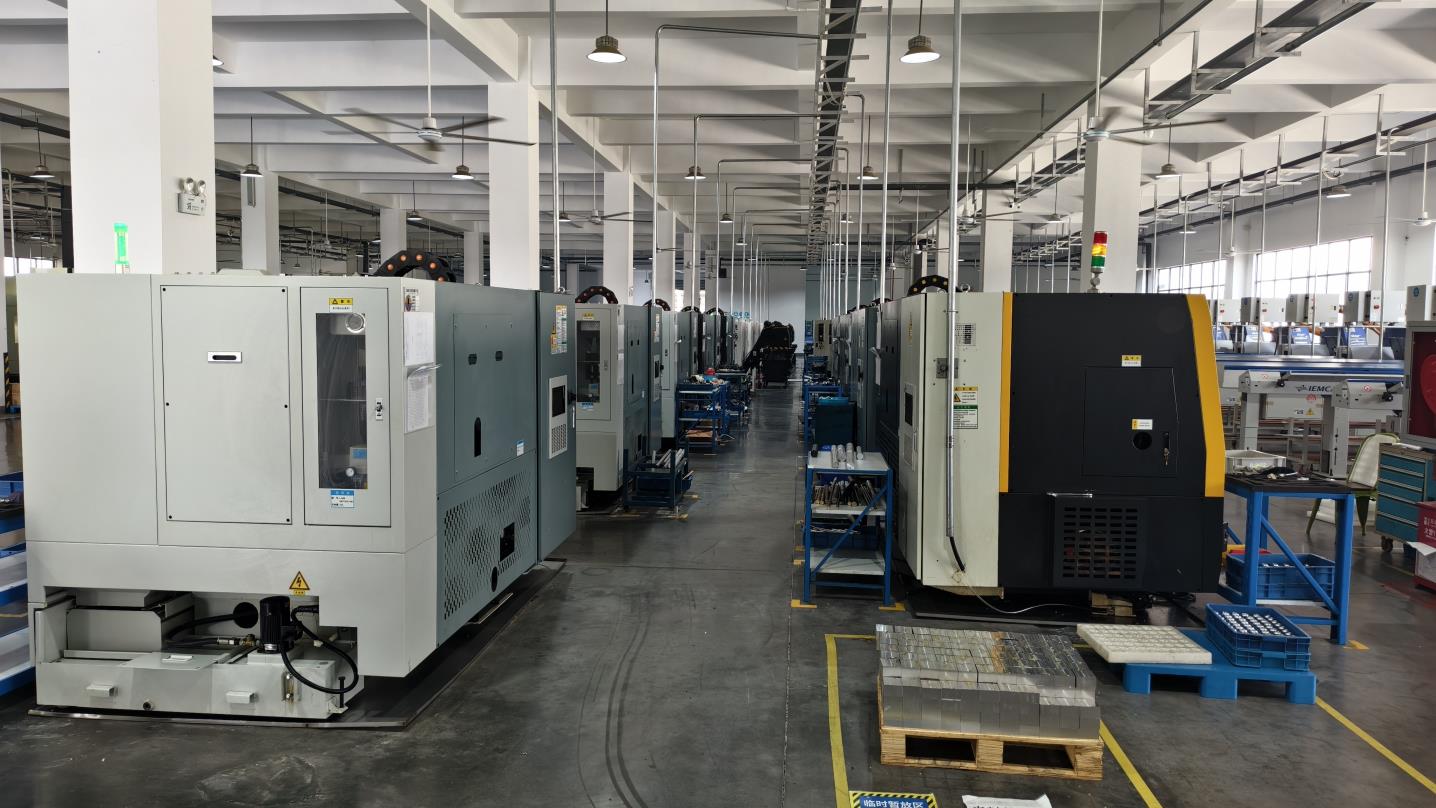
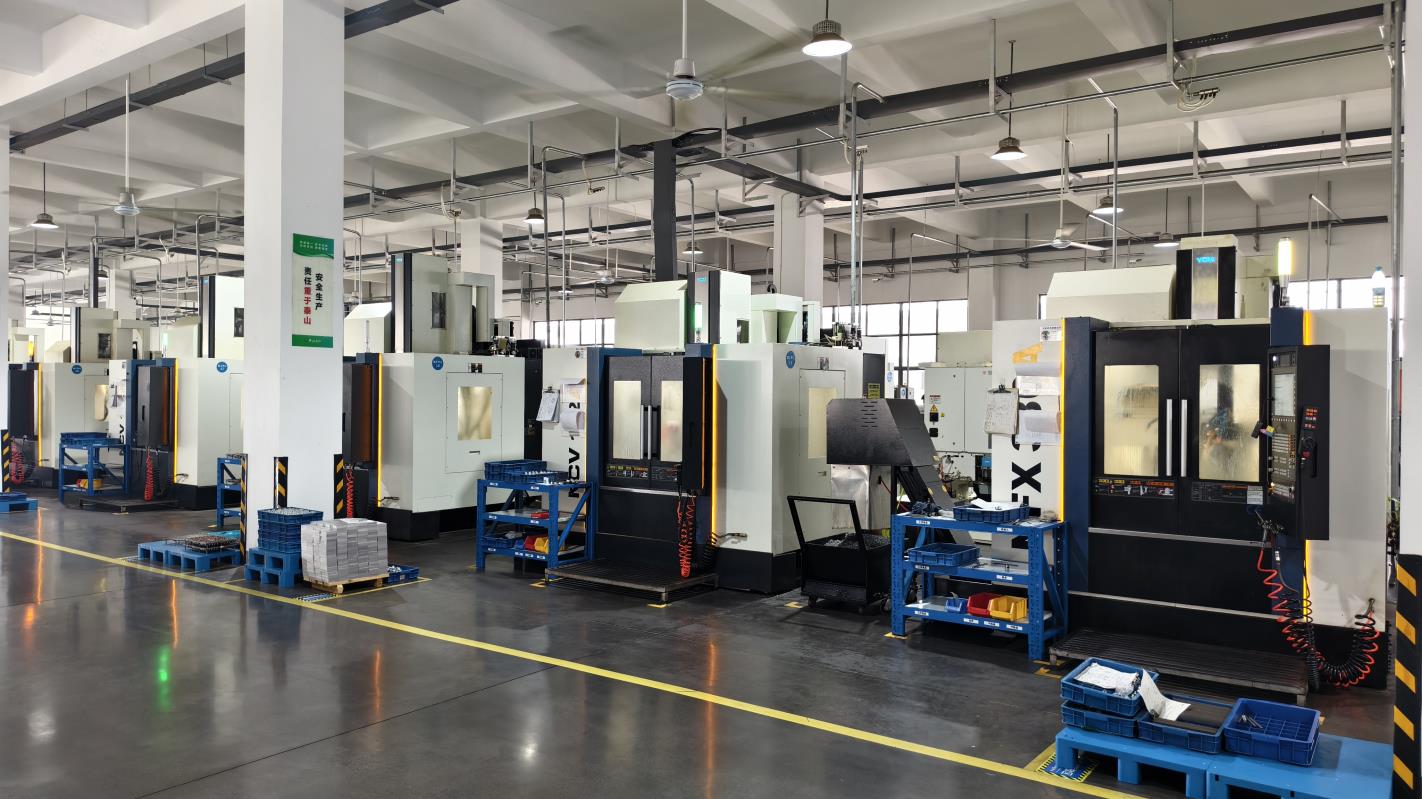
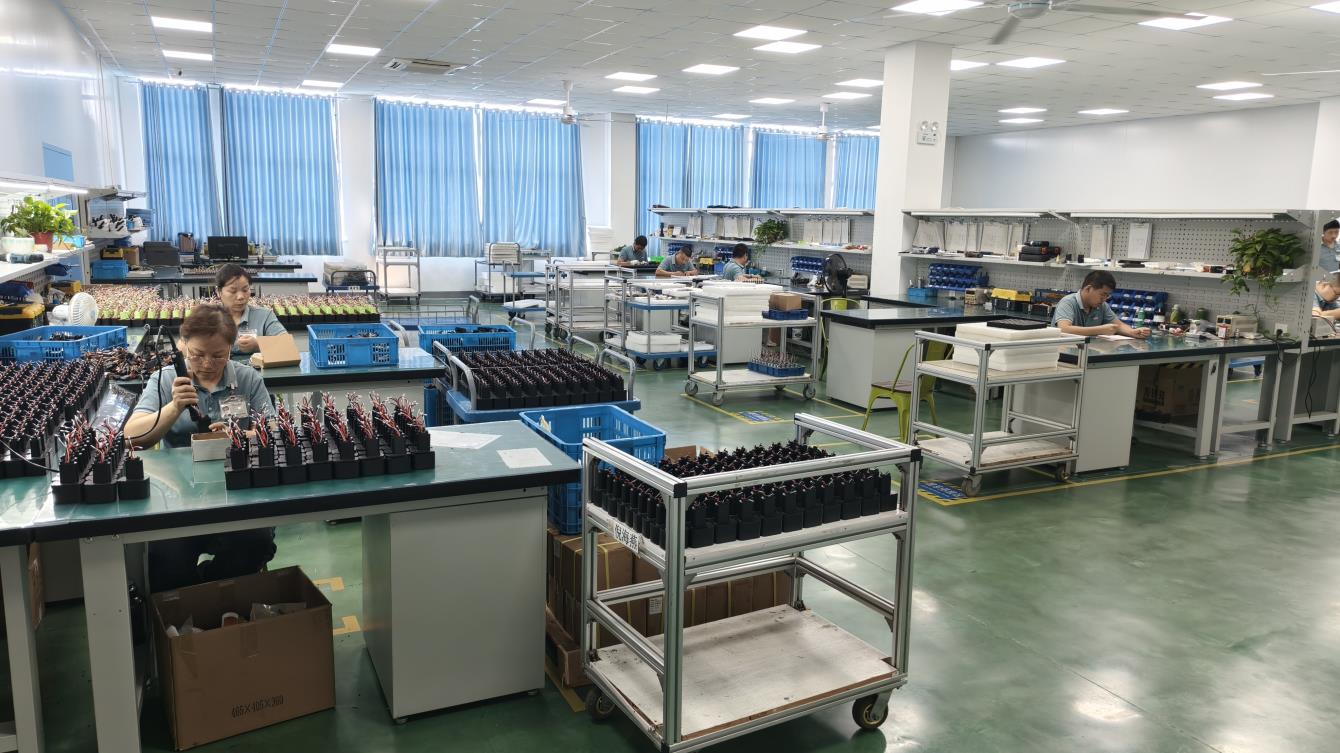
Navigating the regulatory landscape is the most significant hurdle for medical device exporters. Our factory provides Full Compliance Dossiers including:
Multi-language Instructions for Use for global distribution.
DDP/DAP shipping terms for North and South American clients.
Video-call factory tours and 3rd party audit facilitation (SGS/TÜV).
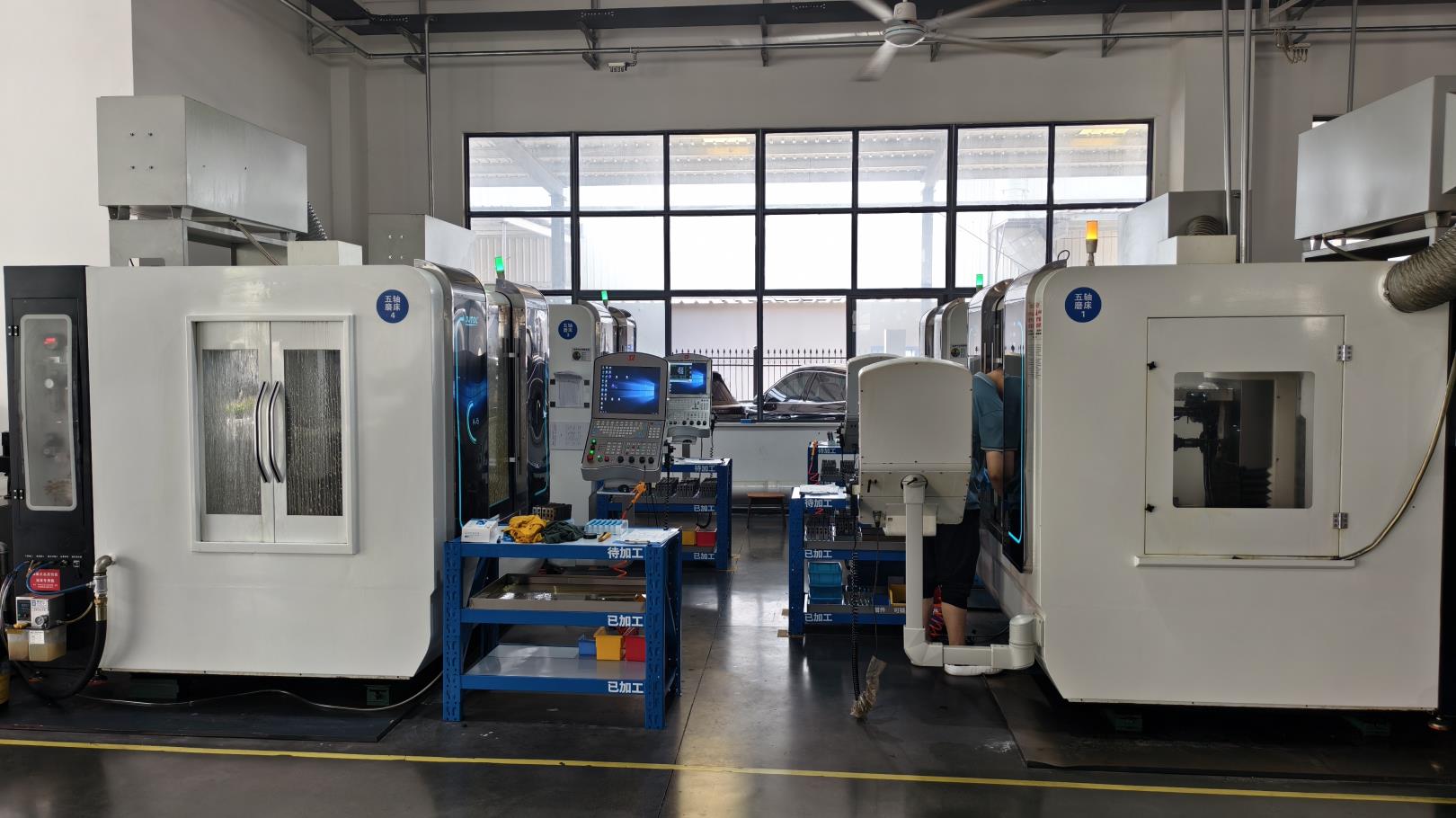
 Carna Medicial Technology