The global surgical sutures market has evolved from simple mechanical wound closure tools into highly sophisticated bio-interactive systems. As a leading surgical sutures factory, we recognize that the industry is currently defined by a shift toward minimally invasive surgery (MIS) and the rising demand for specialty sutures in geriatric care and cardiovascular procedures.
The global market is projected to reach $6.5 Billion by 2030, driven by a 5.8% CAGR in the Asia-Pacific and North American regions.
Absorbable sutures currently command 60% of the market share due to reduced post-operative complications and secondary removal needs.
In today's landscape, a surgical sutures supplier is no longer just a vendor but a critical link in the surgical outcome chain. The integration of antimicrobial coatings (such as Triclosan) and the development of high-tensile synthetic polymers like Polydioxanone (PDS) and Polyglactin 910 have set new benchmarks for E-E-A-T (Experience, Expertise, Authoritativeness, and Trustworthiness) in medical manufacturing.
Next-generation sutures are moving toward "smart degradation" profiles. We are researching materials that maintain 80% tensile strength during the critical first 14 days of healing before rapid absorption to minimize foreign body reactions.
With the rise of Da Vinci and other robotic platforms, sutures must now possess specific "memory" properties and surface textures optimized for robotic endo-wrist manipulation and automated knot-tying.
The future lies in sutures that act as localized delivery systems for analgesics and growth factors, accelerating tissue regeneration while simultaneously closing the wound.
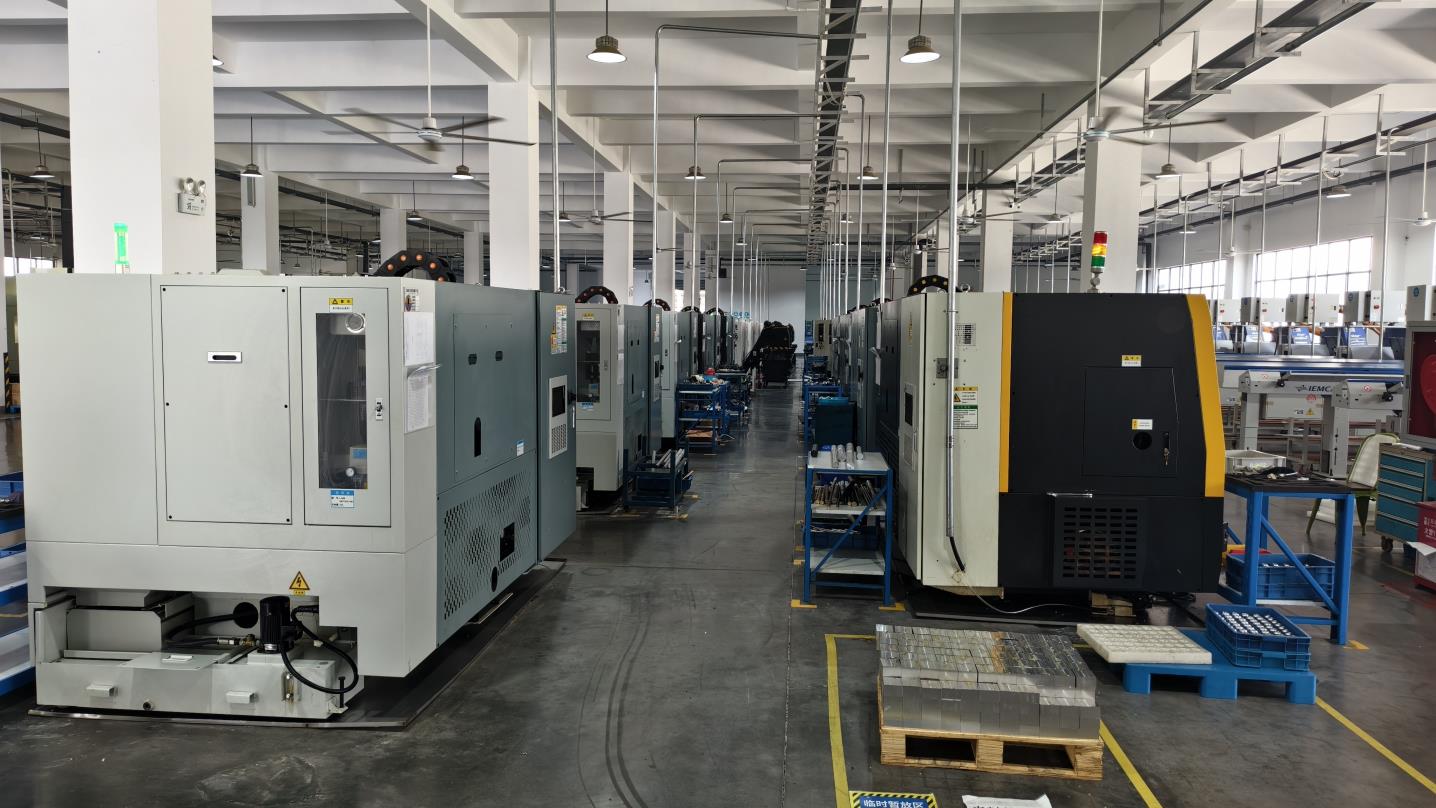
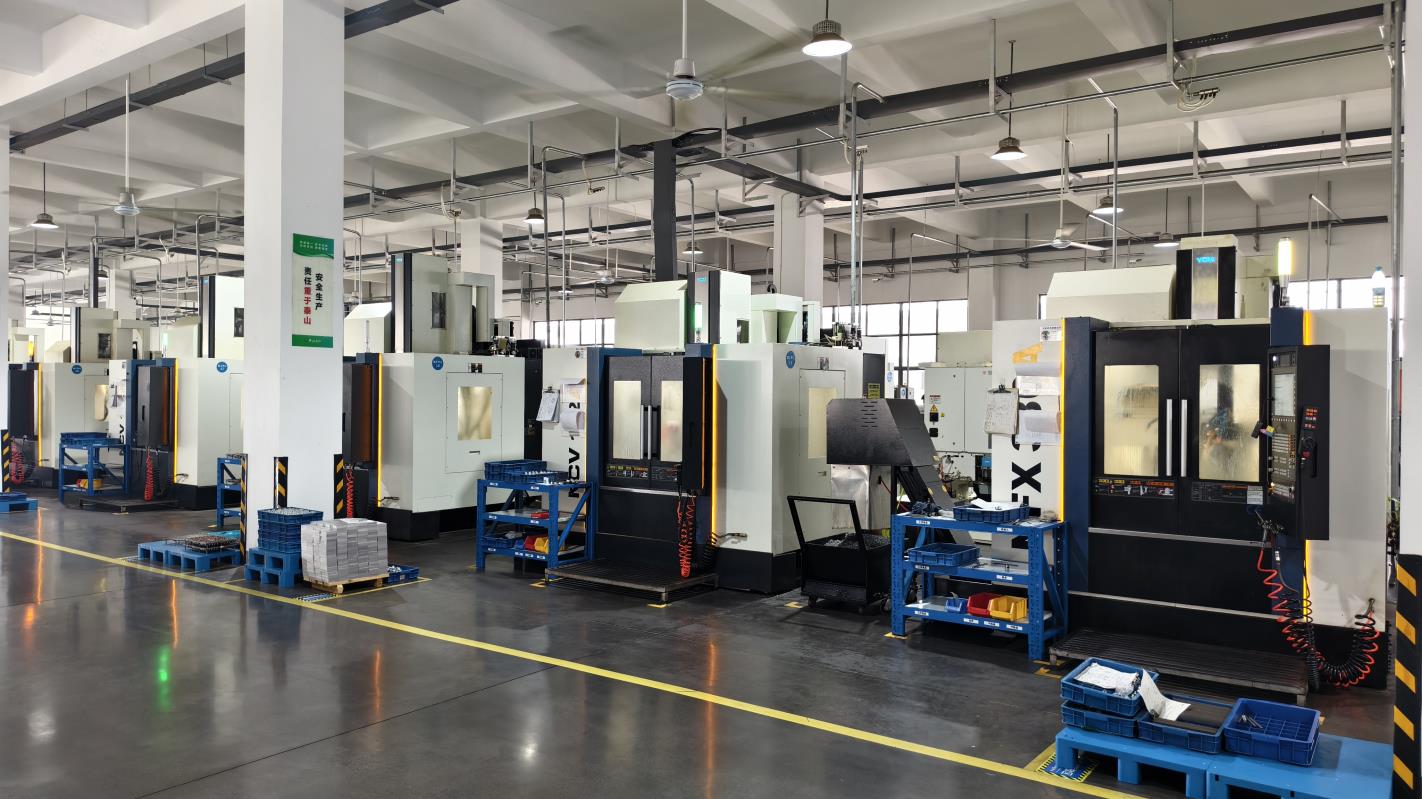
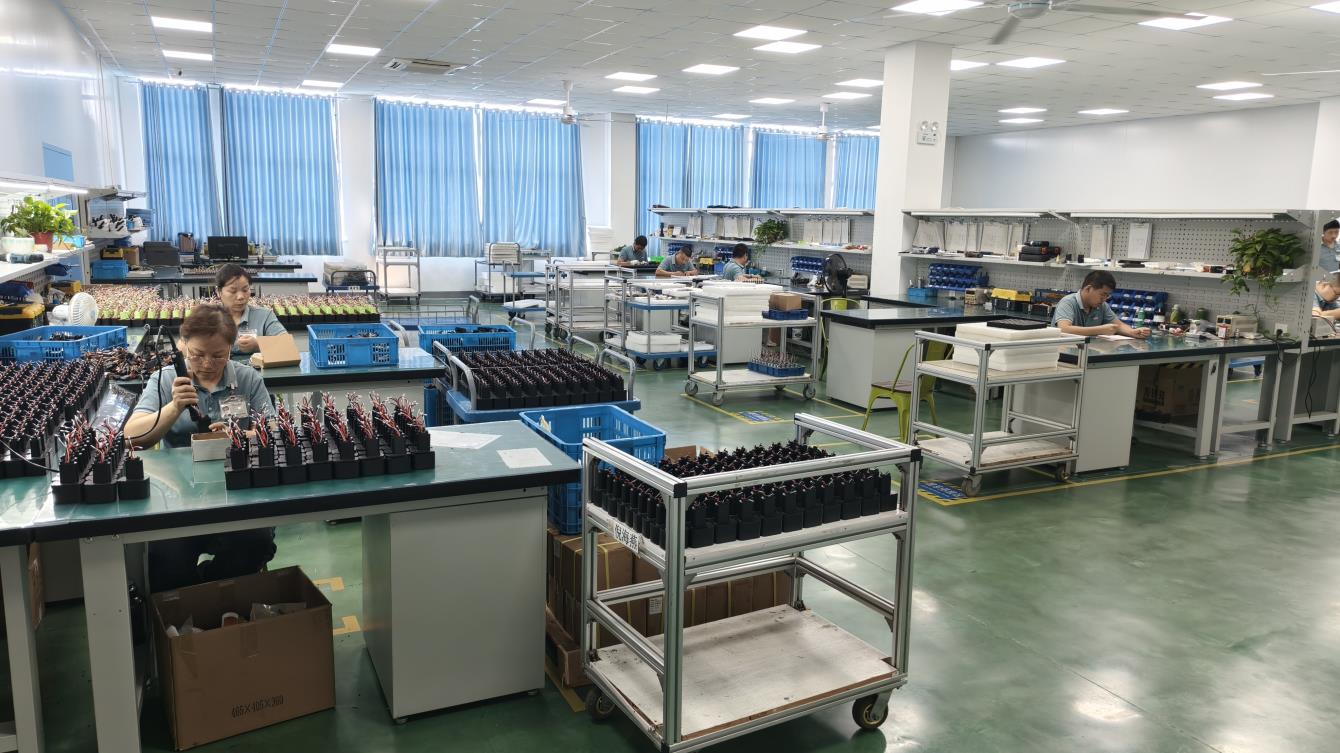
Our instruments and sutures are engineered for diverse clinical environments, from high-throughput urban trauma centers to specialized veterinary surgical suites. We provide tailored solutions for:
How we solve the supply chain challenges for global healthcare providers.
We mitigate global logistics risks by maintaining strategic stock in our main markets: North America (25%) and South America (25%). Our 6-year export track record ensures seamless customs navigation.
Every batch undergoes random inspection and rigorous QA/QC by our 3 full-time senior inspectors, ensuring raw material traceability from the source polymer to the finished sterile pouch.
We offer "Customized on Demand" services, including sample and graphic processing, allowing hospital groups to develop proprietary instrument kits and suture configurations.
The decision is based on tissue healing time. Absorbable sutures are used for internal tissues that heal rapidly, while non-absorbable sutures are preferred for external skin closure or tissues requiring long-term structural support, such as heart valves or ligaments.
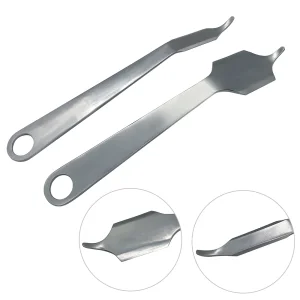
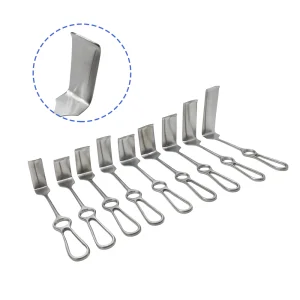
We adhere to strict international standards. Most of our stainless steel instruments, such as the Hohmann Retractors and Bone Rasps, are designed to be autoclaveable, supporting high-temperature sterilization cycles without compromising structural integrity.
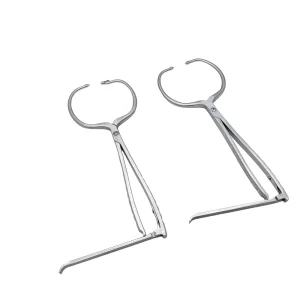
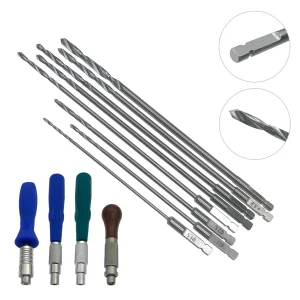
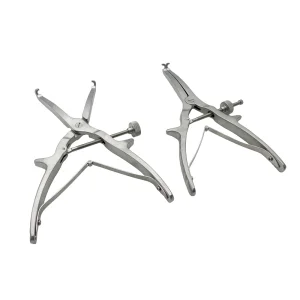
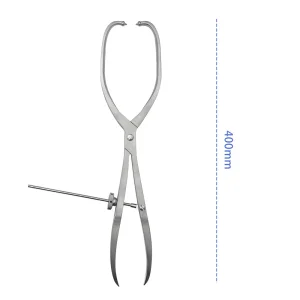
Yes, we offer comprehensive R&D support. Whether it's a Bone AO Quick Coupling Handle or a complex Pelvic Reduction Forcep, we provide detailed technical specifications and material certifications required for clinical approval.
The QSWTITAN brand represents a fusion of aerospace-grade titanium alloy and ergonomic design. The "information gain" for surgeons lies in reduced hand fatigue during long procedures and superior corrosion resistance compared to standard surgical steel.
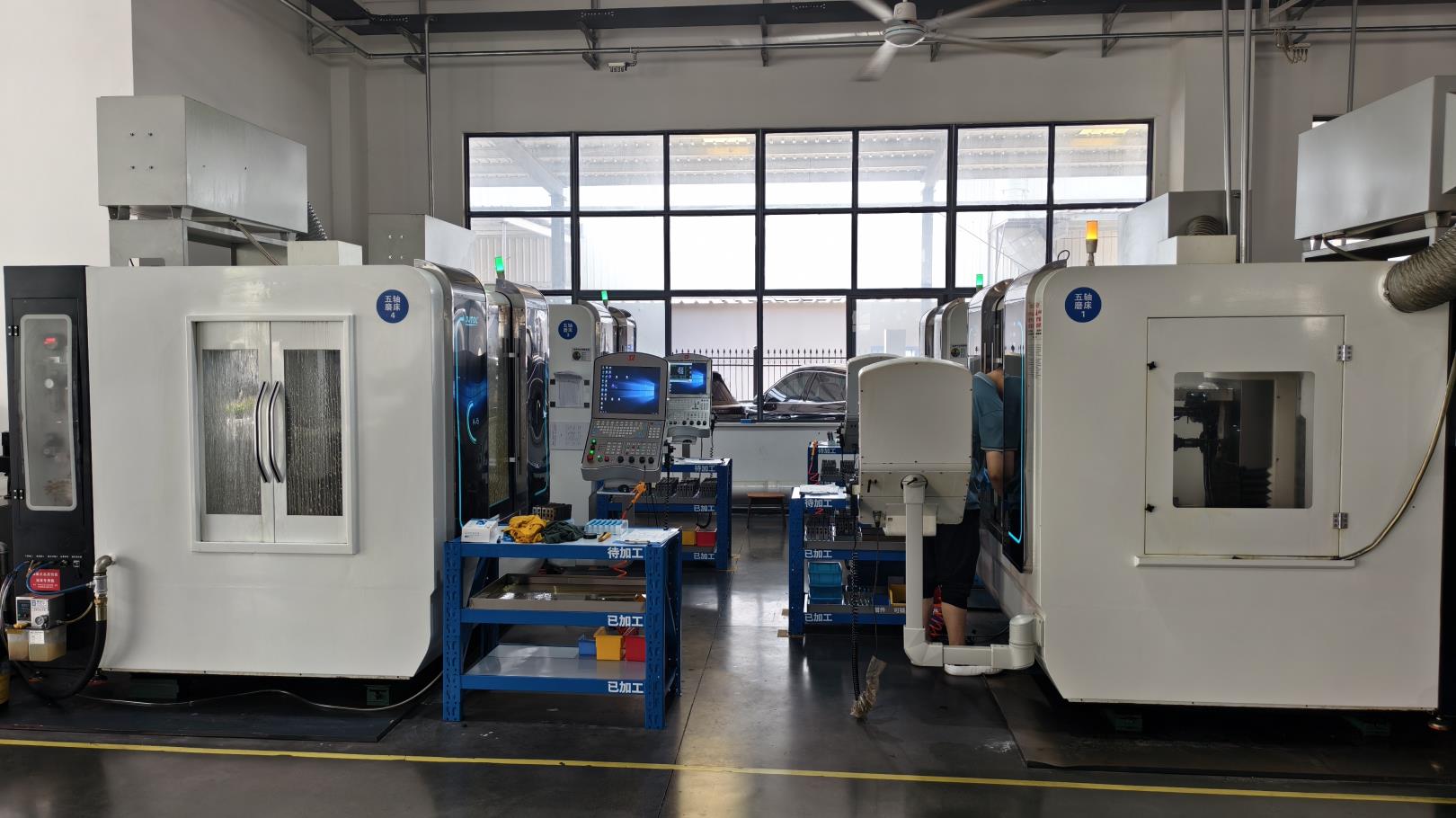
 Carna Medicial Technology