Explore our foundational range of micro-surgical tools designed to satisfy the rigorous technical requirements of high-volume surgery centers in Brazil.
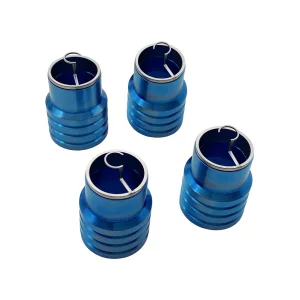
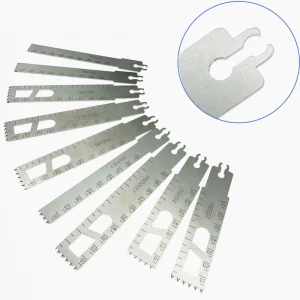
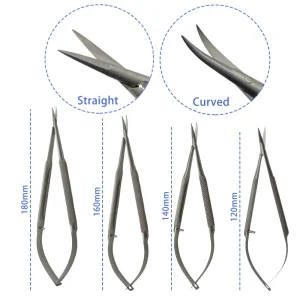
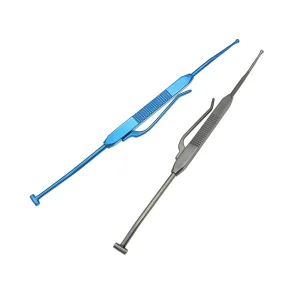
São Paulo stands as the premier hub for medical technology and clinical intervention in Latin America. Home to world-renowned institutions such as the Hospital das Clínicas da Faculdade de Medicina da USP (HC-FMUSP), Hospital Israelita Albert Einstein, and the Hospital Sírio-Libanês, the city drives clinical demand for high-end ophthalmic microsurgery devices.
Continuous Curvilinear Capsulorhexis (CCC) remains one of the most critical stages in modern cataract extraction procedures, including phacoemulsification and femtosecond laser-assisted cataract surgery (FLACS). The precision of the capsulorhexis forceps determines the safety margin for subsequent nuclear rotation and intraocular lens (IOL) centration. Given the high volumes of cataracts treated under both private insurance networks (e.g., Unimed, Bradesco Saúde) and the public Unified Health System (SUS) in São Paulo state, medical buyers are constantly balancing clinical performance with cost efficiency.
In mature or hypermature cataracts common in public health demographics in São Paulo, the capsule is highly elastic or fibrotic. Utilizing surgical forceps with custom micro-tips, optimal grasping force, and minimal shaft diameter is crucial to prevent radial tears (Runaway Capsulorhexis).
A statistical glance at our supply chain stability and manufacturing history since our foundation in 2019.
Ophthalmic surgery demands absolute tactile feedback. Capsulorhexis forceps must perform flawlessly within an incision size as narrow as 1.8mm. Below is the technical matrix of our premium medical-grade instruments engineered for São Paulo hospitals.
| Material Class | Tip Architecture | Optimal Incision Width | Autoclave Longevity | Anatomical Indicator |
|---|---|---|---|---|
| Titanium Alloy (Ti-6Al-4V ELI) | Utrata style fine-pointed, cystotome teeth | 1.8mm - 2.2mm | > 500 Cycles (134°C) | Deep anterior chamber, mature cataracts |
| AISI 420 Martensitic Stainless | Sharp-pointed micro jaws, flat handle | 2.2mm - 2.8mm | > 350 Cycles (134°C) | Standard phacoemulsification workflows |
| Stainless Steel 316L (Custom) | Round-bodied, cross-action tips | 2.0mm - 2.4mm | > 400 Cycles (134°C) | Pediatric capsulorhexis, high-pressure chambers |
Specially tapered shafts minimize wound stretch at corneal incisions, preserving structural integrity during prolonged maneuvers in São Paulo micro-surgical centers.
Engineered tension arcs allow São Paulo ophthalmic fellows to gauge capsule resistance precisely, reducing the incidence of unpredictable capsule tears.
Micro-blasted satin matte finishes prevent light reflection under powerful surgical microscopes, maximizing operating comfort for vitreoretinal and anterior segment teams.
As a leading exporter established in 2019, we bridge the gap between state-of-the-art Chinese manufacturing and the dynamic healthcare market of São Paulo. Our facility leverage high-precision CNC machineries and micro-electro discharge machining (EDM) to produce surgical tools that match Swiss and German clinical benchmarks at a competitive cost structure.
We maintain streamlined export protocols specifically customized for Latin American shipping routes. Leveraging custom clearing channels, we reduce transit latency from factory floor to SP distributors.
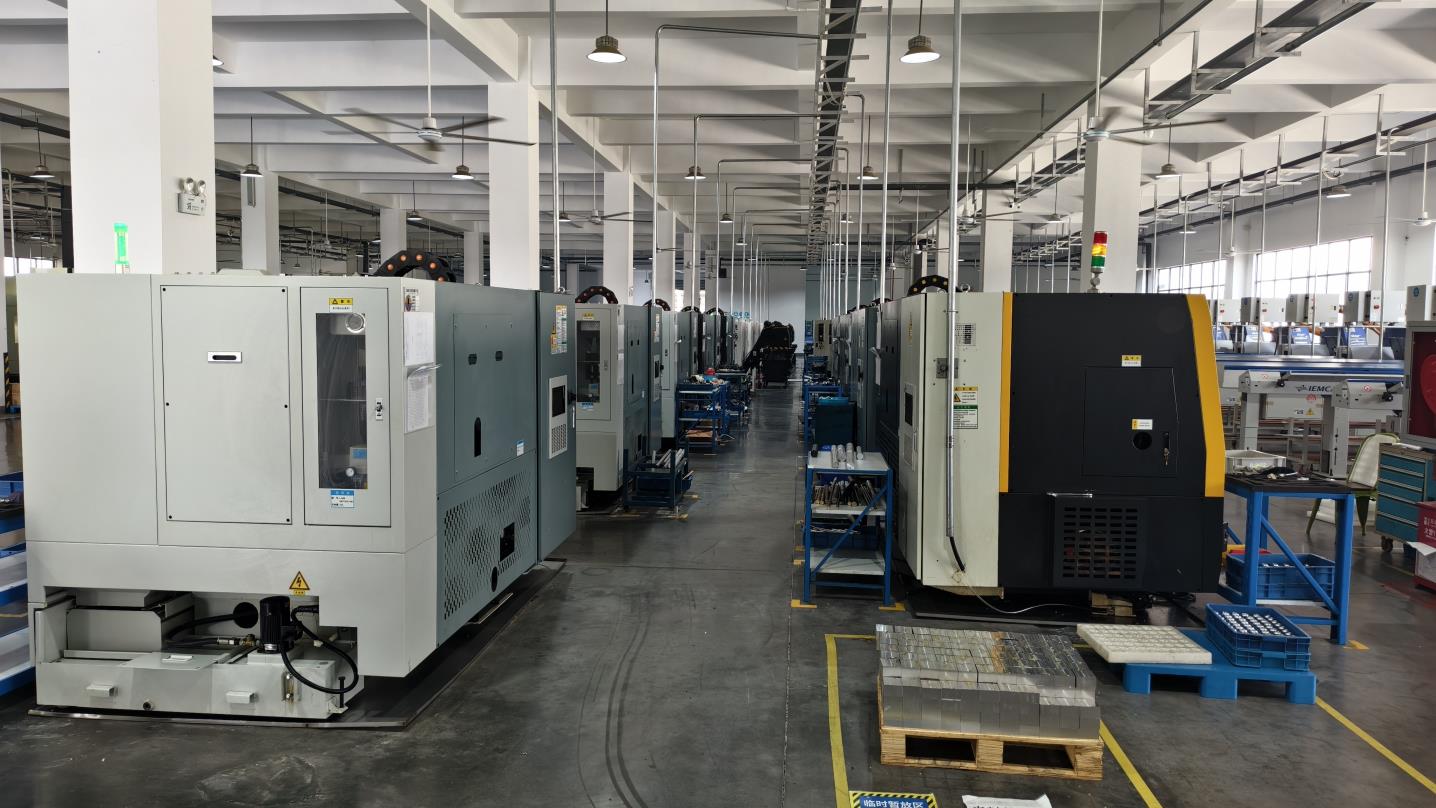
Our commitment to continuous technological evolution drives our R&D. The roadmap of our next-generation surgical instruments outlines how we plan to serve São Paulo's leading academic centers over the next decade.
Increasing tip surface hardness and reducing friction coefficients to enhance tissue manipulation dynamics during high-stakes anterior capsulorhexis.
Engineering a new sub-2.0mm coaxial mechanism for micro-incision cataract surgery (MICS) to promote sutureless corneal healing and reduce postoperative astigmatism.
Integrating micro-RFID capabilities for automatic inventory management, autoclave sterilization count tracking, and hospital system tracking inside complex networks like the SUS SP.
Get access to direct-from-factory pricing, raw material quality certifications, and custom sample development protocols tailored for São Paulo's competitive medical landscape.
Send Inquiry NowImporting surgical devices into Brazil requires deep regulatory understanding, specifically relating to ANVISA standards. Our quality assurance systems conform strictly to international medical protocols.
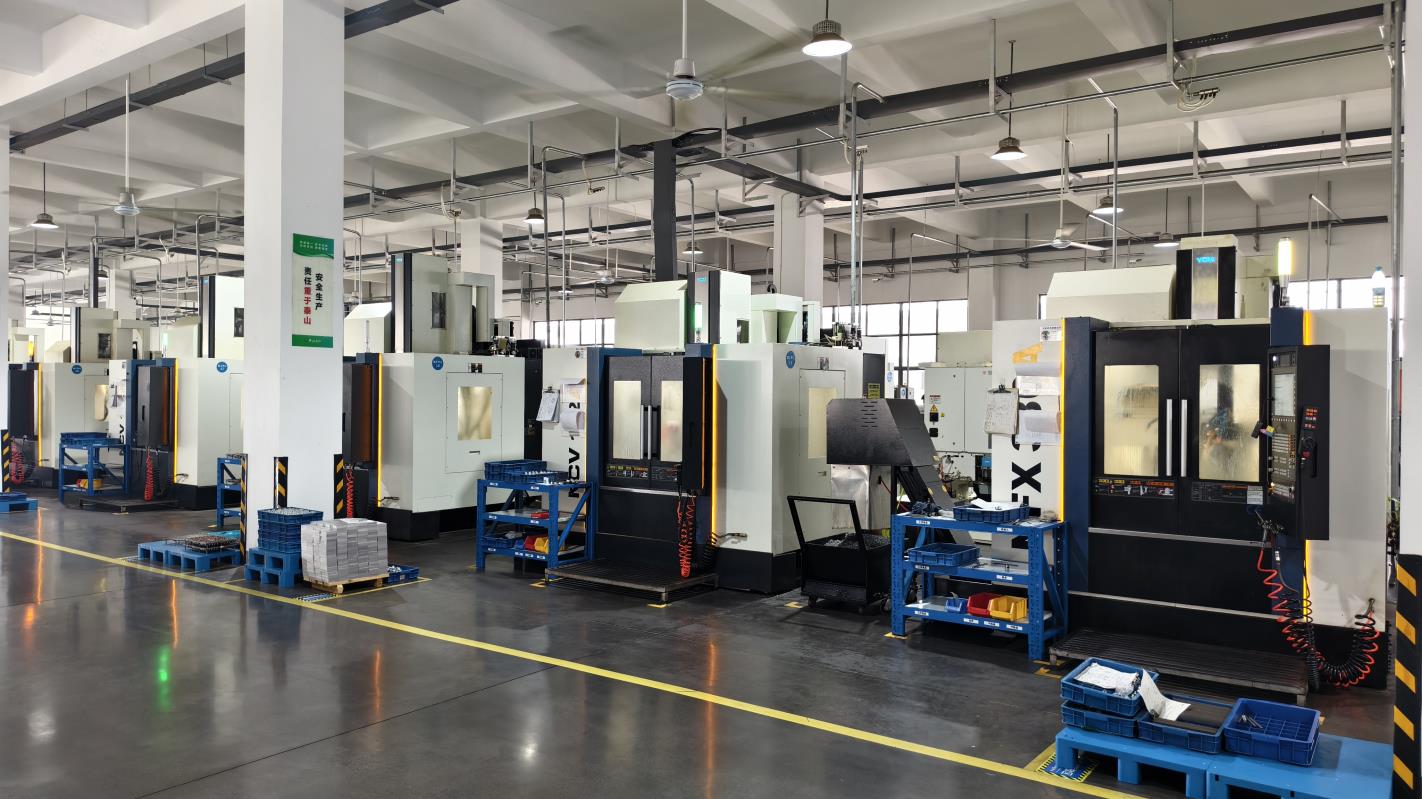
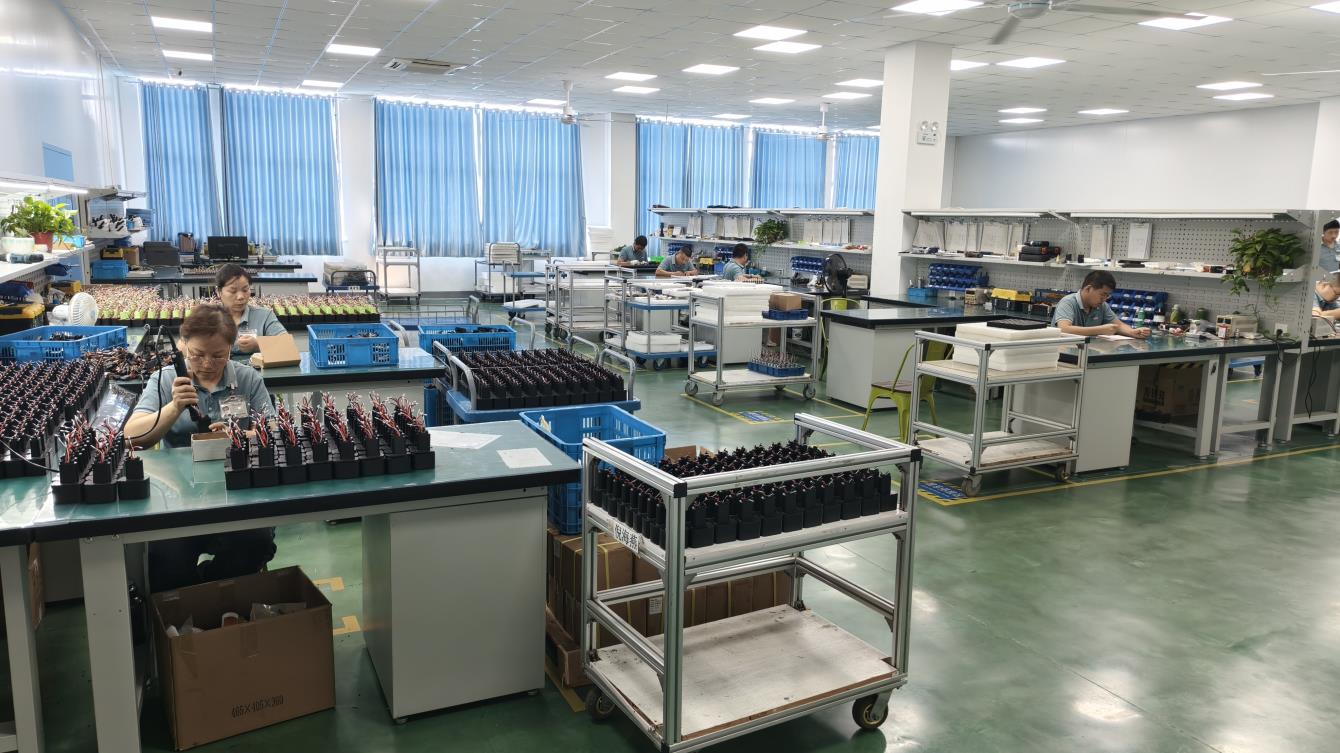
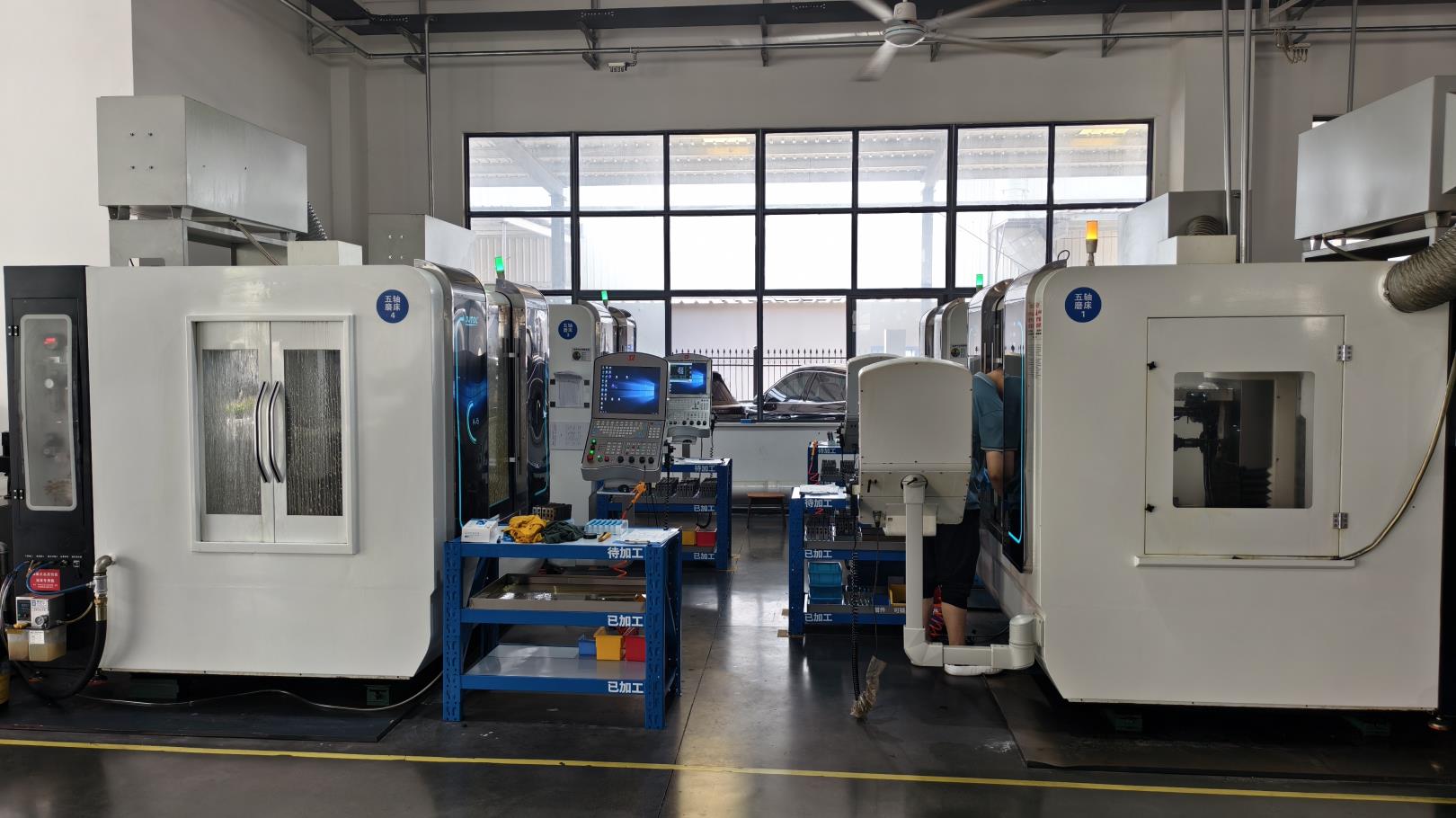
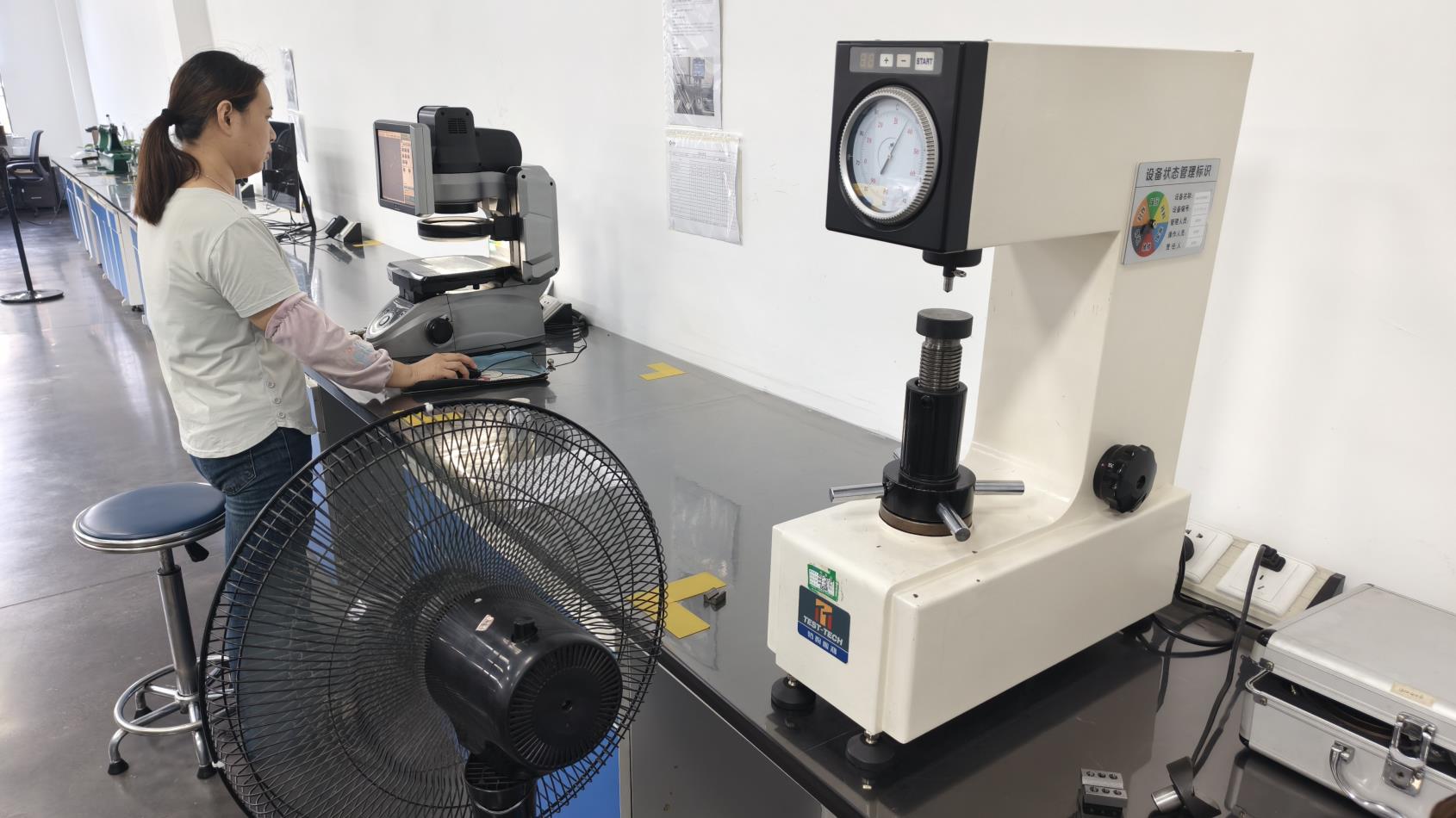
Expert answers detailing shipping, customization capabilities, materials, and clinical compliance.
Browse our complete list of orthopedic, veterinary, and micro-ophthalmic surgical instruments designed to maximize surgical accuracy.
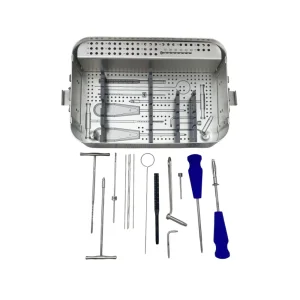
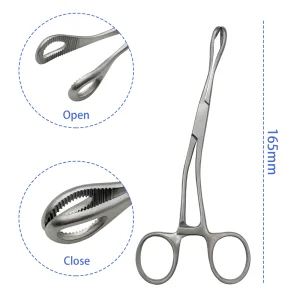
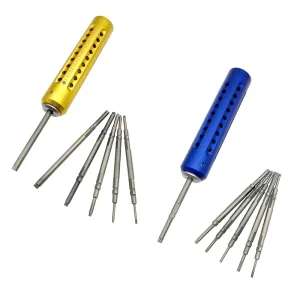
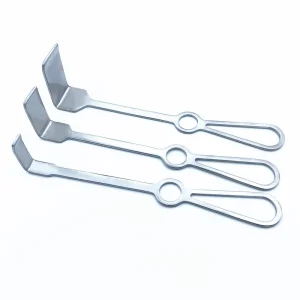
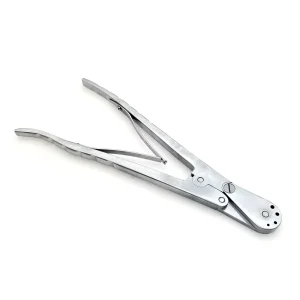
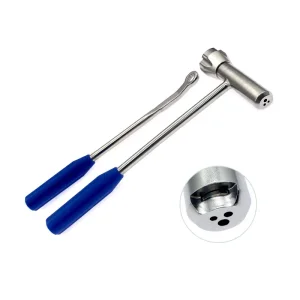
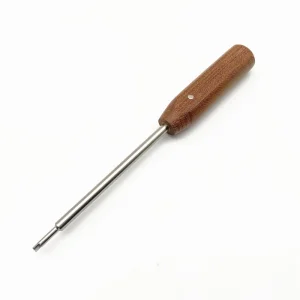
Whether you are private distributor in Campinas, a hospital network procurement manager in Vila Mariana, or an orthopedic clinic in downtown São Paulo, we deliver high-performance surgical components with complete quality documentation.
Contact Our Export Division Now Carna Medicial Technology