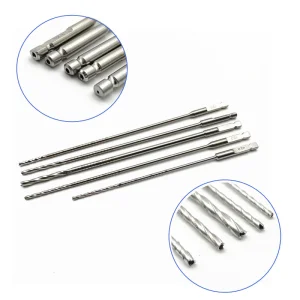
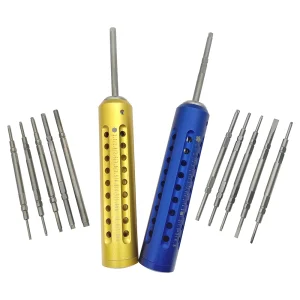
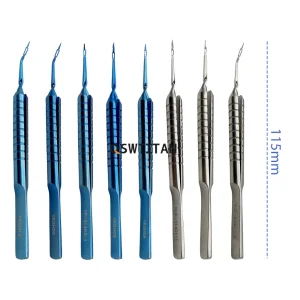
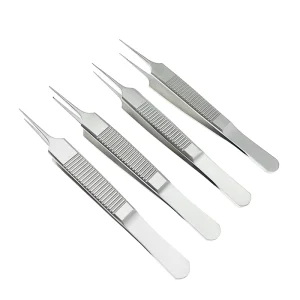
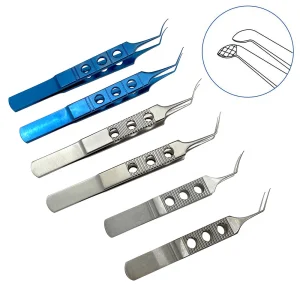
Engineered for minimal tissue disruption, maximum feedback, and premium biocompatibility. These core configurations are optimized for micro-dissection and nerve manipulation.
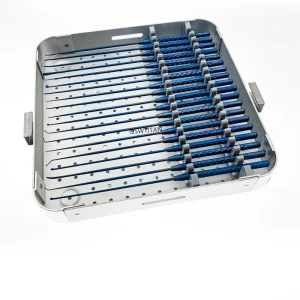
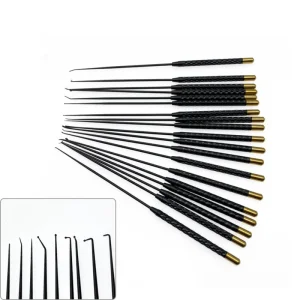
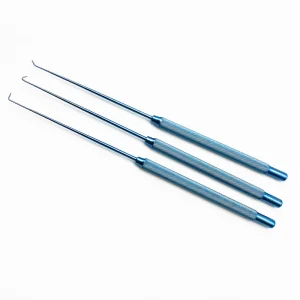
Detroit, Michigan is widely known as a hub of manufacturing excellence, but its healthcare ecosystem is equally world-class. Anchored by institutions like the Detroit Medical Center (DMC), Henry Ford Health, and proximity to the University of Michigan Medical School, the region demand-level for premium microsurgical instrumentation has hit historic highs. Advanced procedures in neurosurgery, ophthalmic reconstructions, and spine interventions require spatulas and hooks that are not only biocompatible but structurally flawless.
Spatulas and hooks used in delicate cranial and ocular operations must minimize mechanical compression of nerve structures. In local Detroit clinics and research centers, surgical teams are transitioning to lightweight titanium alloys (such as Grade 5 ELI / Ti-6Al-4V ELI) that offer excellent flexural strength without compromising tactile feel. This shift demands a robust supply chain that bridges the raw material capacity of leading Asian metallurgical hubs with the strict quality standards of Michigan's elite health systems.
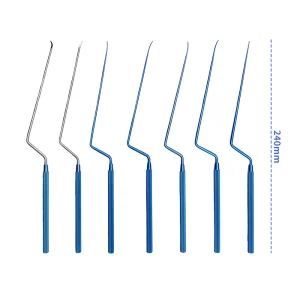
Ensuring ultra-lightweight performance, non-magnetic properties for MRI safety, and superior fatigue life.
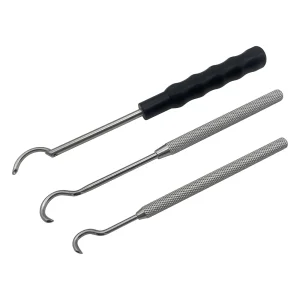
Designed with ribbed patterns and anti-slip handles to provide surgeons with precise feedback during micro-manipulations.
The manufacturing of surgical micro-spatulas, teardrop dissectors, and nerve hooks requires incredibly tight tolerances—often down to +/- 0.01mm. In our specialized manufacturing facility, we integrate raw Swiss-type lathe turning with multi-axis CNC grinding to achieve flawless tip profiles that prevent vascular lacerations.
By leveraging China's dense industrial supply chain, we achieve cost reductions of up to 40% compared to Western manufacturers, without sacrificing quality. This is due to localized material sourcing, highly optimized precision tooling, and a skilled workforce that understands the strict aesthetic and functional demands of medical-grade hand tools. Our QA/QC department features 3 dedicated inspectors running rigorous random and client-specified audits to ensure that every micro-dissector and nerve hook leaving our facility complies with international medical standards.
For B2B buyers in Detroit, this translates to faster turnaround times for custom OEM requests, scalable production capacity, and reliable quality assurance documents, including complete chemical analysis tracking of titanium and stainless steel feedstocks.
We provide full sample processing, graphic design blueprint translations, and bespoke geometry adjustments based on surgeon feedback.
Chemical passivation ensures the removal of free iron from instrument surfaces, creating a corrosion-resistant chromium-oxide layer for autoclaving.
Each batch of raw medical-grade material undergoes spectrometer verification and structural integrity scanning before entering production.
Micro-spatulas and nerve hooks are the core foundation of micro-dissection. Below is an overview of how these instruments are utilized across major clinical fields globally and within Michigan healthcare networks.
Vitreoretinal membranes are microscopic and highly fragile. Fine-tip titanium membrane spatulas and vessel hooks allow surgeons to peel pathologically changed vitreous tissue off the retina without inducing mechanical tears.
During craniotomies and aneurysm clippings, nerve hooks and micro curettes act as extensions of the surgeon's hands, gently mobilizing nerve roots and exploring surgical corridors with minimal risk to nearby vascular networks.
Bone fragment manipulation requires high-tensile bending irons and AO cannulated drill bits. Micro spatulas are also used to verify implant seats and clear tissue from cervical and lumbar fusion cages.
Medical device procurement is undergoing a structural transition. Healthcare purchasing organizations (GPOs) and distributors are moving away from single-source manufacturing models to mitigate supply risks. The global demand is shifting toward robust, mid-tier factories that offer localized customer service combined with cost-efficient Asian production pipelines.
Our operation aligns perfectly with this trend, serving clients across North America, South America, and Southeast Asia. We ensure that our procurement processes, export compliance protocols, and documentation packages (CoCs, raw material mill sheets) exceed regulatory expectations for medical distributors in Detroit, MI, and beyond.
Take a look inside our cleanroom-adjacent processing centers, surface polishing bays, and automated testing facilities.
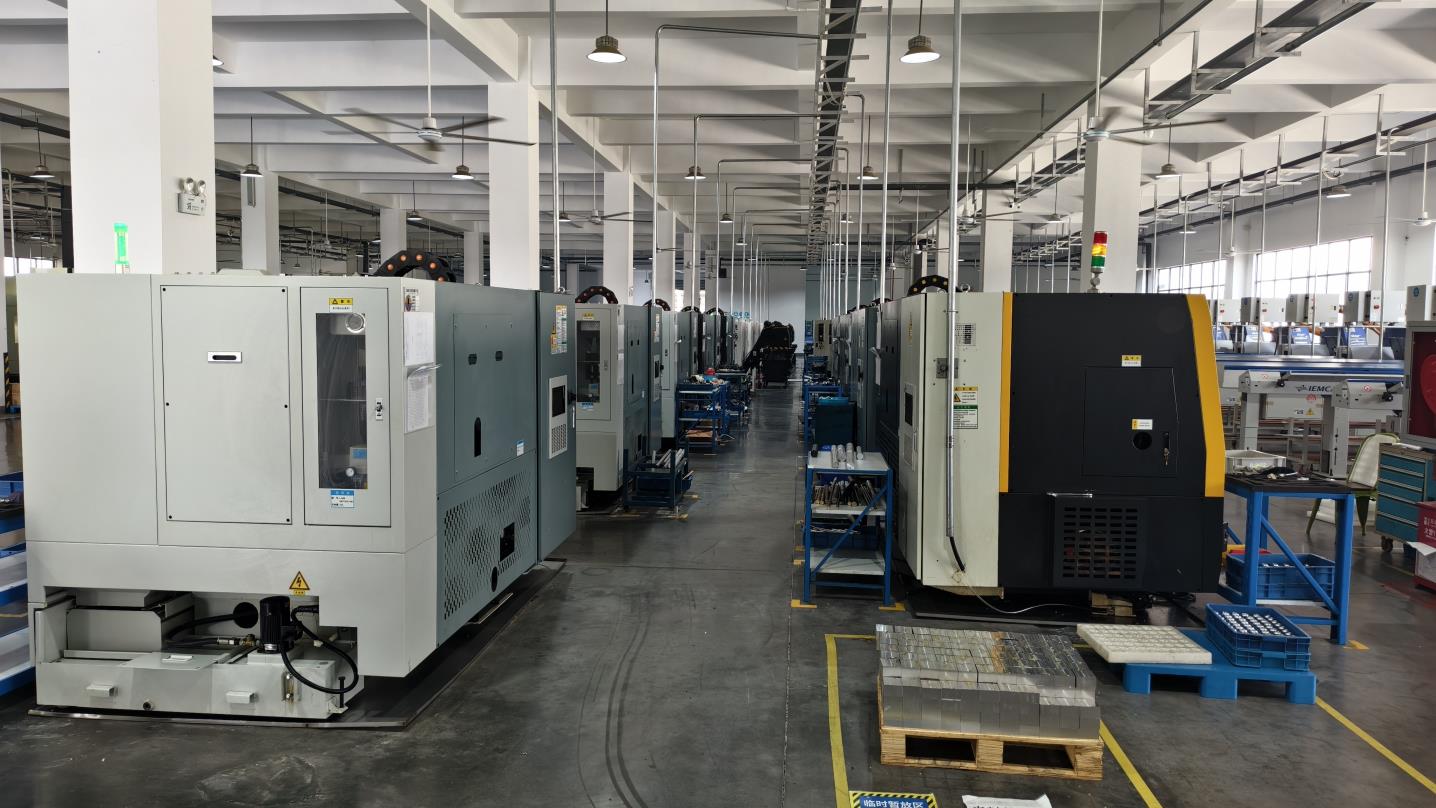
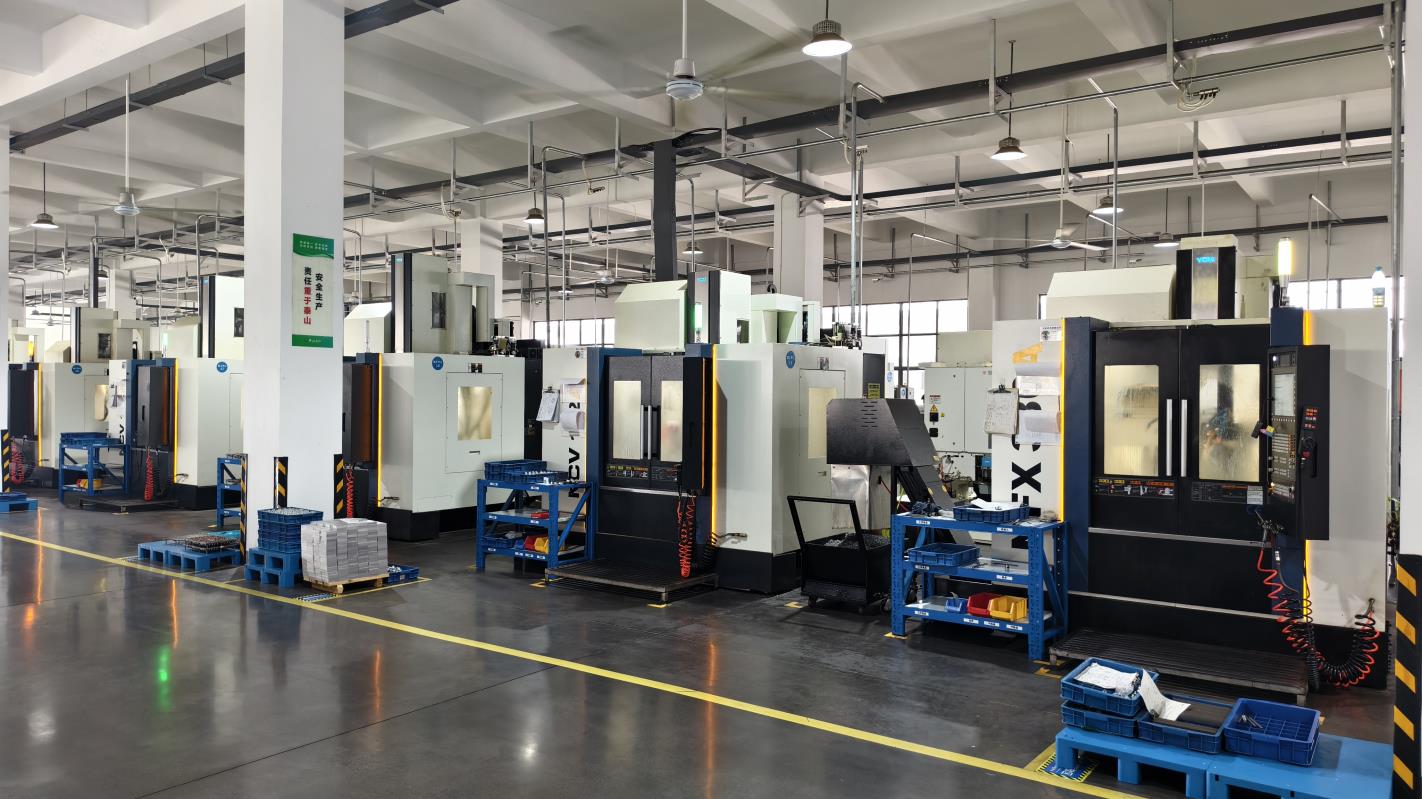
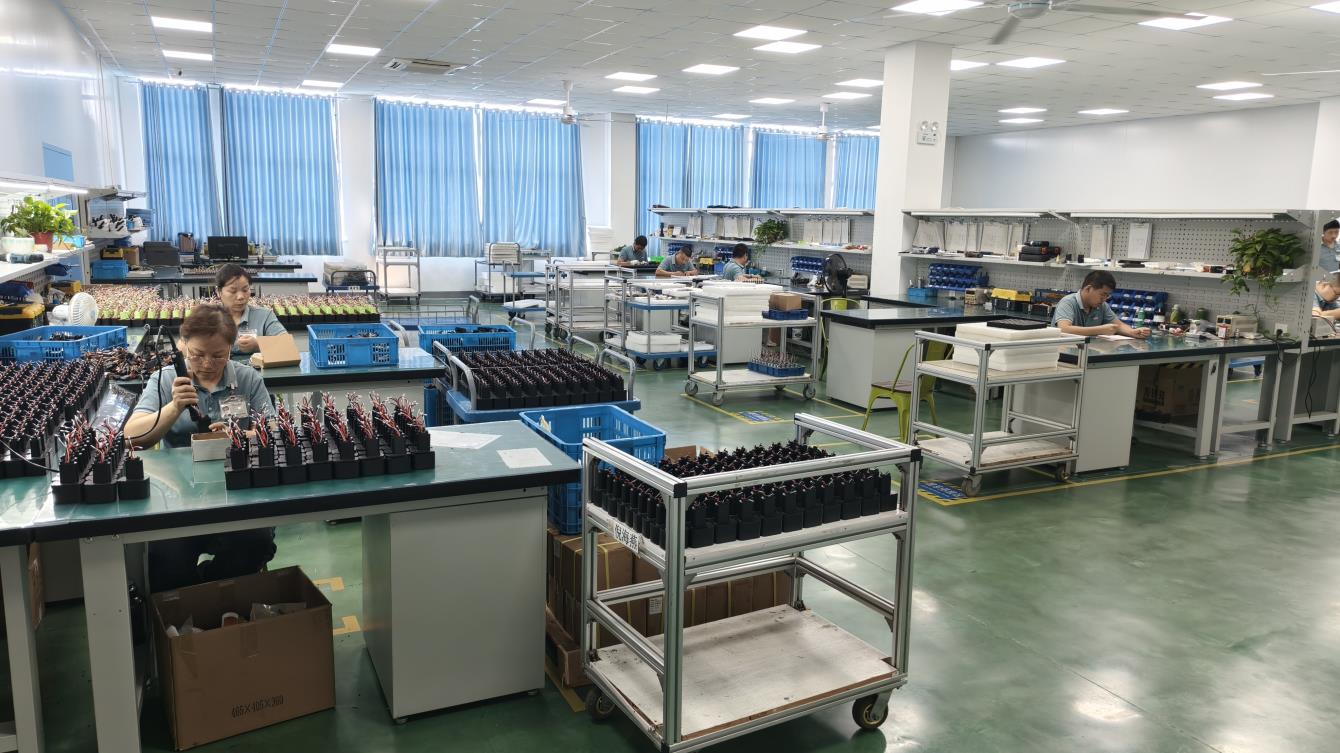
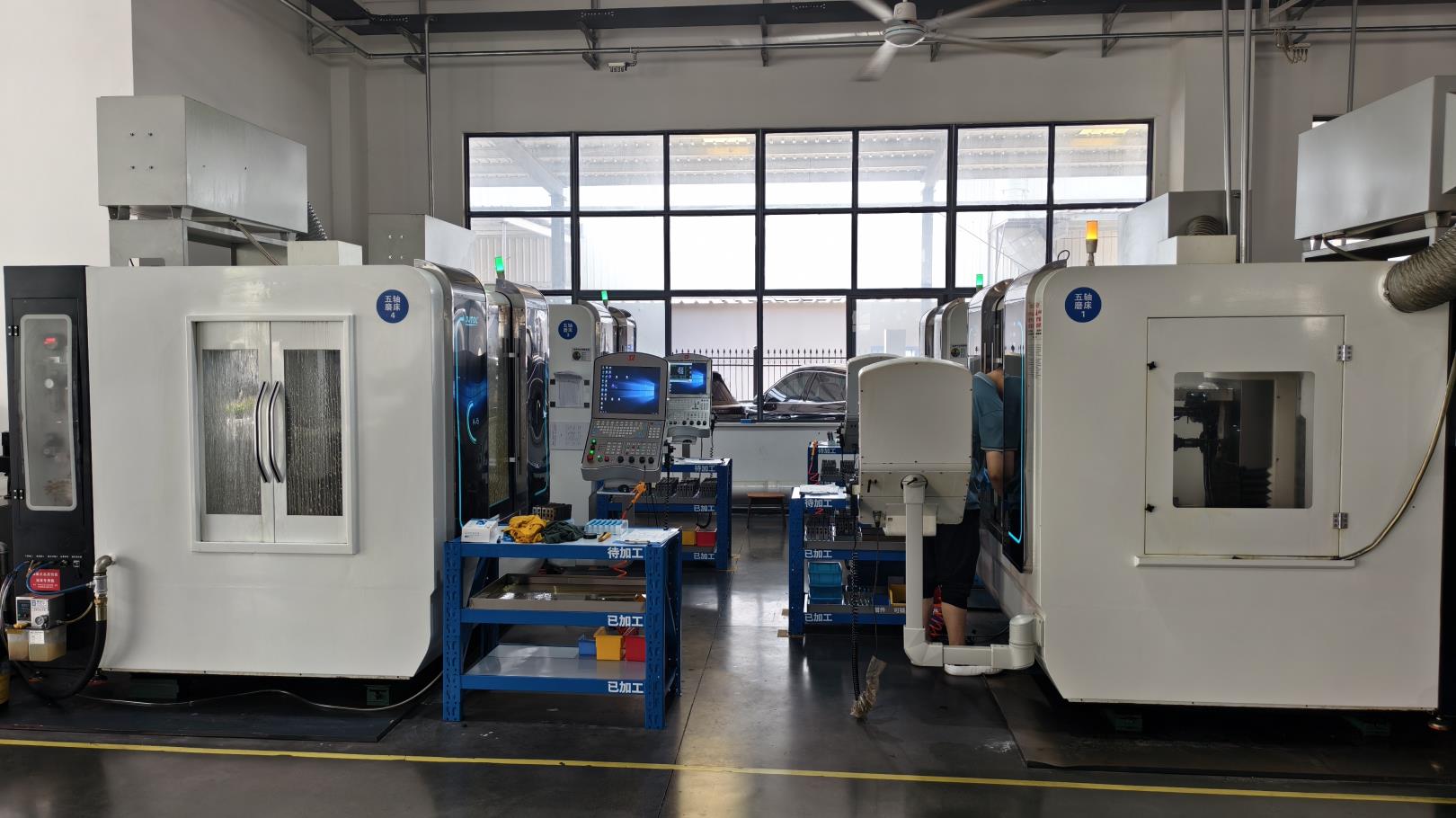
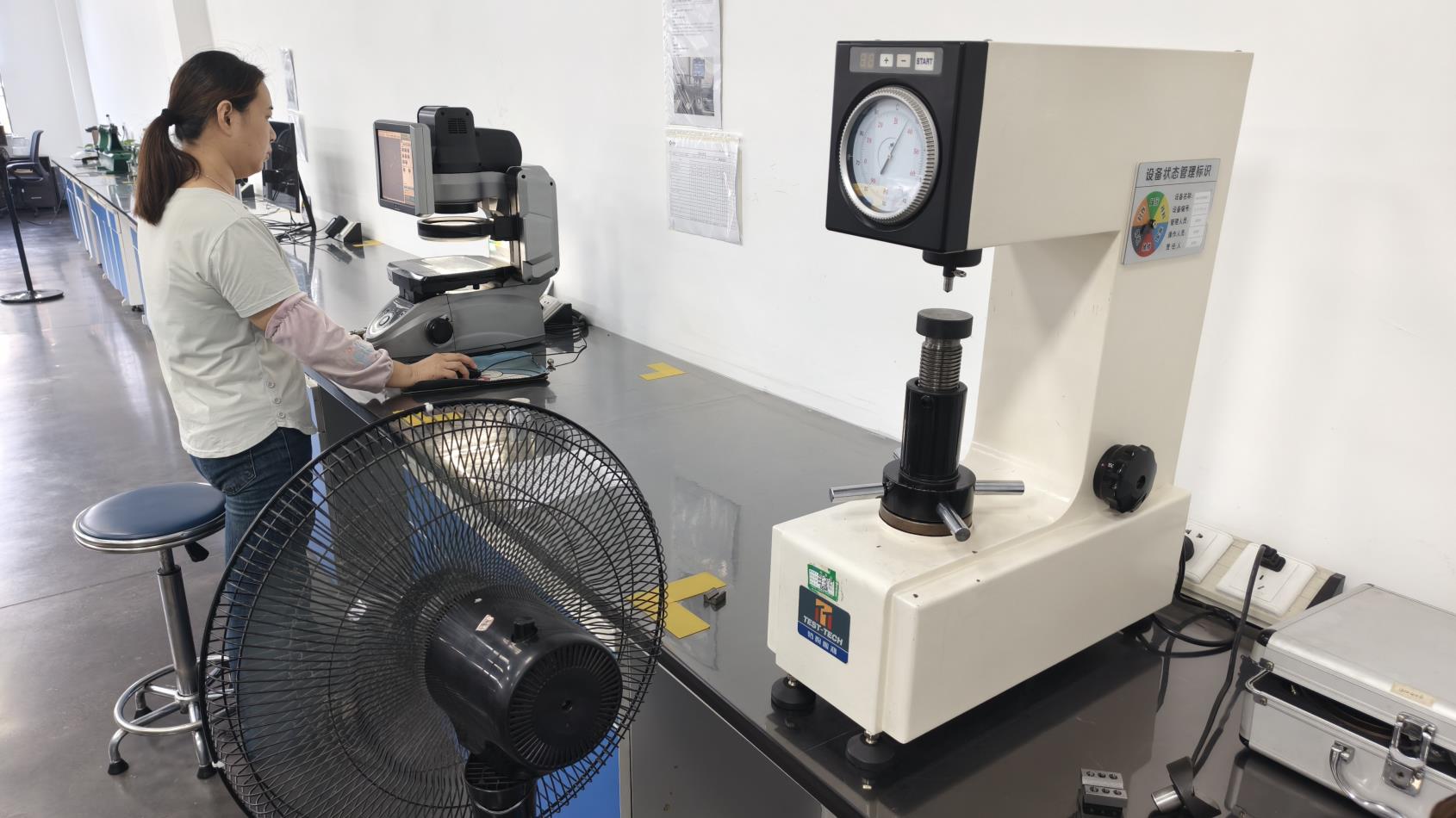
A quick summary of our factory operations, trade statistics, and capabilities optimized for global buyers.
| Operational Metric | Details & Capabilities |
|---|---|
| Company Registration Date | 2019-11-20 (6 years of continuous operations) |
| Accepted Languages | English (Fluency in Technical and Commercial communication) |
| Raw Material Traceability | Yes, full spectrometer tracking of all medical alloys |
| Inspection Protocols | Random inspection, custom client-designed QA/QC programs |
| QA/QC Inspectors | 3 full-time internal quality compliance auditors |
| Main Markets | North America (25%), South America (25%), Southeast Asia (15%) |
| Target Client Profiles | Brand businesses, Medical distributors, Retailers, Wholesalers |
| Customization Options | Sample processing, graphic processing, custom physical dimension adjustment |
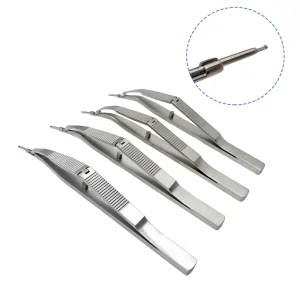
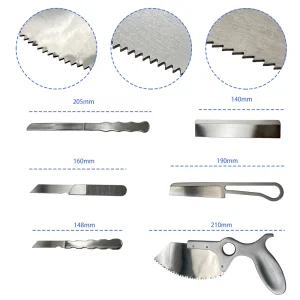
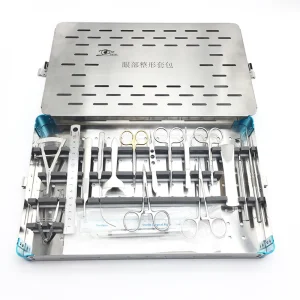
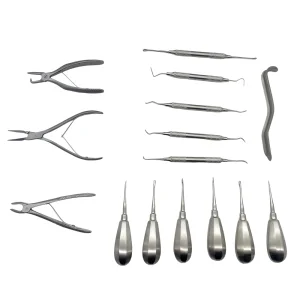
From bone benders and micro spine dissecting forceps to veterinary tools and capsulorhexis forceps. Keep your inventory stocked with premium quality products.
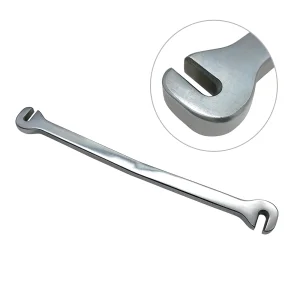
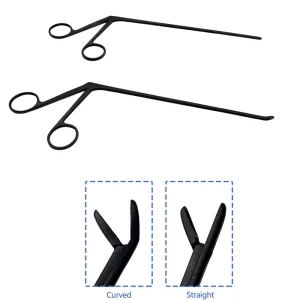
Explore our detailed FAQ designed to help procurement managers and clinical directors make informed sourcing decisions.
Get in touch with our engineering team today to receive a custom quote, technical blueprints, or to request a batch sample for clinical review.
Send Inquiry Now Carna Medicial Technology